Exploring Sustainable Approaches to Deep-Sea Mining
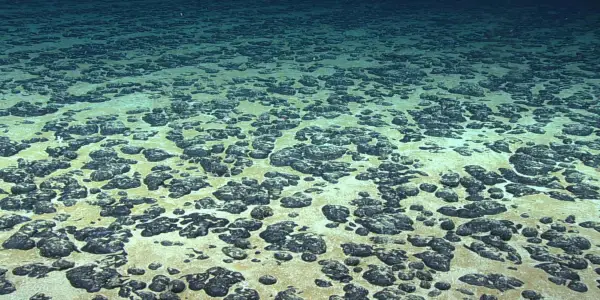
Concerns about the environmental impact of deep-sea mining for metals are prevalent. A new study suggests that hydrogen plasma technology could reduce the carbon emissions associated with smelting metal ores if mining proceeds.
In-depth analysis
Natural phenomena
The ocean floor is home to vast deposits of polymetallic nodules, which are rich in manganese, nickel, copper, and cobalt. These minerals are essential for the production of batteries, particularly those used in renewable energy technologies like solar power and electric vehicles, highlighting the ocean's potential as a resource.
Impact on communities
Communities reliant on marine ecosystems may face significant disruptions due to deep-sea mining activities. The potential degradation of fragile habitats raises concerns over the long-term sustainability of local fisheries and the livelihoods they support.
Scientific updates
Recent research has explored hydrogen plasma as a cleaner alternative for metal extraction from deep-sea nodules. This innovative method aims to reduce carbon emissions by utilizing renewable energy sources, marking a pivotal shift in mining practices that could influence environmental policies.
Future outlook
While advancements in extraction technology may enhance the viability of deep-sea mining, ongoing debates about biodiversity and ecological risks will shape regulatory frameworks. The future of this industry hinges on balancing resource needs with environmental preservation.
Did you know?
Why this matters for our planet
The shift to hydrogen-based metal extraction could revolutionize the mining industry, directly impacting the sustainability of electric vehicle and renewable energy industries. With the demand for metals like nickel and cobalt surging, this method has the potential to reduce carbon emissions significantly. If successful, it could lead to a cleaner supply chain, making our everyday technologies greener while protecting fragile ocean ecosystems from traditional mining practices.
Earth's undiscovered wonder
Deep-sea ecosystems are home to species that can survive in extreme conditions, including the giant tube worm, which can grow over eight feet long and thrives near hydrothermal vents. These organisms play a crucial role in nutrient cycling and are part of a delicate balance that supports life in the ocean depths, highlighting the importance of protecting these environments from mining.
The voice of Earth
Marcus, 34, from Chicago, grew up listening to his grandfather’s tales of the ocean's mysteries. As a marine biologist, he now studies deep-sea ecosystems, feeling a profound responsibility to protect them. He recalls a recent dive where he encountered vibrant coral reefs teeming with life, only to wonder how long they could withstand the pressures of mining. For Marcus, each expedition reaffirms his commitment to advocating for sustainable practices that honor the ocean’s wonders, ensuring future generations can experience its beauty.

Catherine O’Hara, Iconic Actress from...
The Impact of the Three Gorges Dam on Earth's...

Artemis II Sparks Renewed Interest in Lunar...

Interstellar Comet 3I/ATLAS Reaches Perihelion,...

Top Organic Mattresses of 2025: Birch, Avocado,...

New Ice Age Episodes of Prehistoric Planet Now...

Intaaya Retreat in Indonesia Features Innovative...

James Webb Space Telescope Reveals First 3D...

Significant Solar Activity Forecasted to Cause...

Exploring Sustainable Methods for Rare Earth...

Significant Geomagnetic Storm Unleashes Auroras...

Sun Emits Second-Strongest Flare of 2025, Causing...

Newly Discovered Snake Species Named After Steve...

SpaceX to Launch Over 100 Satellites Today on...

Intense Solar Activity: Sunspot Region Produces...

Innovative Architectural Designs Inspired by...
China's Astronauts Return Safely, but Another...

NASA's Mars Sample Return Mission Faces...

US Greenhouse Gas Emissions Increase Amid Cold...
Ancient Lakes on Mars: New Research Unveils Ice...

Sun Unleashes Spectacular Solar Flare Amid...

Exploring the Nature of Intelligence: Insights...

Mars Express Reveals Evidence of Ancient Ice Age...

Rising Frustration in Aceh as Flood Relief...

Ancient Air Trapped in 6-Million-Year-Old...
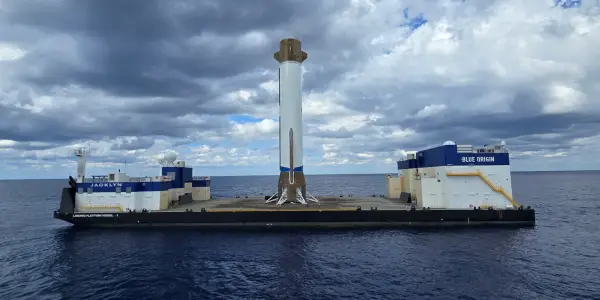
Blue Origin's New Glenn Rocket Successfully Lands...

WhatsApp Security Vulnerability Exposes 3.5...

The Challenges of Sending a Supervillain into the...

Innovative Gel Shows Promise in Regenerating...

The Earth’s Value: An Exploration of Its...

Abrams Studios Announces New Sci-Fi Exploration...

New Technique Unveils Natural Clock in Dinosaur...

UK Churches Embrace Heat Pumps for Sustainable...
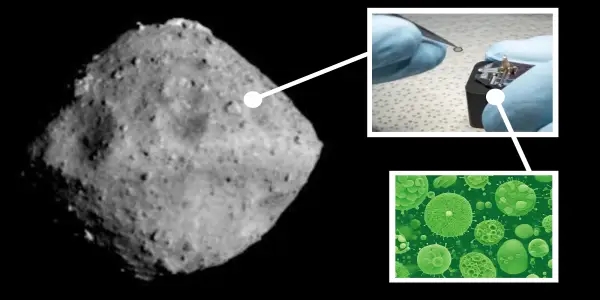
Asteroid Impact in Finland Reveals Ancient...

Innovative Engine Harnesses Deep Space Energy for...

Turkey Declines Rare Earth Element Sales to the...

Brazil's Lula Urges Global Action Against Climate...
Exploring Sustainable Approaches to Deep-Sea...

New Insights into 'Project Hail Mary' Reveal...

HEO Robotics Expands Satellite Imaging...