New Model Reveals Complex Climate Dynamics During Sturtian Glaciation
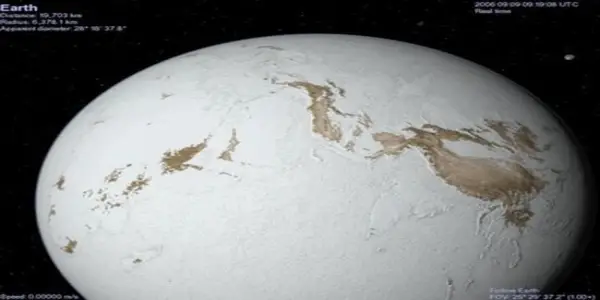
A recent study uncovers a more intricate climate cycle during the Sturtian glacial period, challenging previous Snowball and Slushball Earth models.
In-depth analysis
Natural phenomena
The Sturtian glacial period, occurring between 717 to 635 million years ago, is marked by extreme climatic fluctuations. A recent study re-evaluates this era, suggesting that glaciation and warming cycles were influenced by varying levels of carbon dioxide and oxygen, rather than adhering strictly to the Snowball or Slushball Earth models.
Impact on communities
The findings from the study highlight the complex interplay of climatic shifts during the Sturtian glaciation, suggesting that ancient life forms adapted to extreme environmental changes, which may have implications for understanding resilience in current ecosystems.
Scientific updates
The research emphasizes the role of silicate weathering as a significant carbon sink during glacial cycles. It posits that volcanic activity contributed to fluctuations in CO2 levels, which in turn triggered glacial melt, refining our understanding of ancient climate dynamics.
Future outlook
This model not only enhances knowledge of Earth's climatic history but also opens avenues for researching planetary climates on exoplanets, potentially informing predictions about climate behavior in extraterrestrial environments.
Did you know?
Why this matters for our planet
Understanding the Sturtian glacial period helps us grasp how Earth's climate has fluctuated over millions of years. This knowledge is crucial as we confront modern climate change. By revealing the relationship between volcanic activity and climate patterns, this research offers insights that could inform how we respond to current environmental challenges and future planetary conditions.
Earth's undiscovered wonder
During the Sturtian glaciation, Earth's surface was not uniformly frozen. Some regions likely contained open water, suggesting a more complex climate than previously believed. This variability means that life could adapt and persist in unexpected ways, hinting at the resilience of ecosystems even in extreme conditions.
The voice of Earth
Marcus, 34, from Chicago, often spends weekends hiking in the nearby woods. One afternoon, while gazing at the lush greenery, he pondered how different Earth must have looked during the Sturtian glacial period. The thought that life managed to survive despite extreme conditions resonated deeply with him. It made him reflect on humanity's own challenges in the face of climate change. Inspired, he began volunteering for local conservation efforts, hoping to contribute to the resilience of nature. Each tree he plants feels like a connection to those ancient survivors, a reminder of the strength found in adaptation.
Expert Commentary

Putin Initiates Strategic Plan for Russia's Rare...
The Allure of Venezuela's Oil Reserves: Analyzing...
Blue Origin's New Glenn Rocket Successfully Lands...

Intaaya Retreat in Indonesia Features Innovative...

Coyote vs. Acme Blends Looney Tunes with...
Perseverance Rover Discovers Unusual Rock Near...
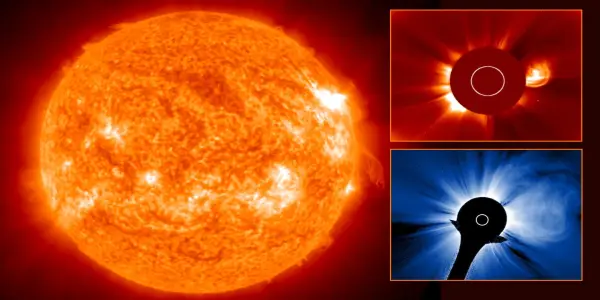
Sun Emits Second-Strongest Flare of 2025, Causing...
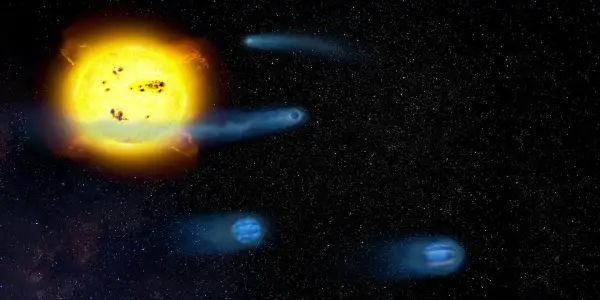
Young Star V1298 Tau Sheds Light on Planet...
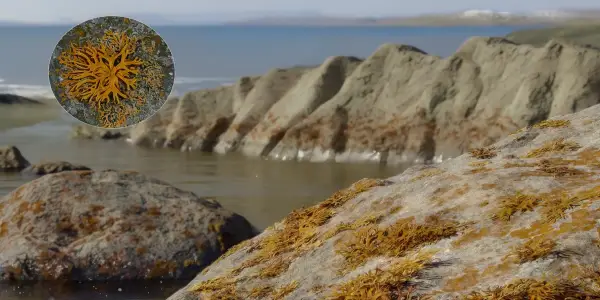
New Fossil Discovery Alters Understanding of...

The Impact of the Three Gorges Dam on Earth's...

Understanding Artificial Reefs: A Solution for...
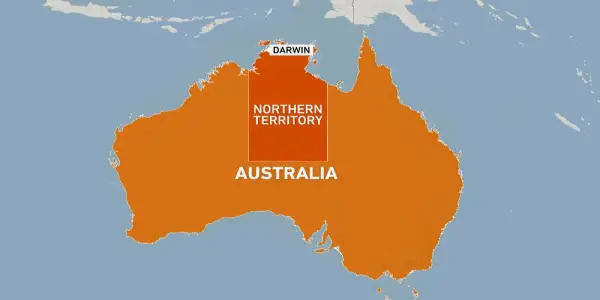
Damage Assessment Underway in Northern Australia...

The Intersection of AI Development and Natural...
VTN Architects Completes Nuoc Ui School in...

UK Churches Embrace Heat Pumps for Sustainable...
Understanding the Formation of Tectonic Plates
China's Astronauts Return Safely, but Another...

HEO Robotics Expands Satellite Imaging...
Breakthrough in Microscopy Sheds Light on Ocean's...
Blue Origin's New Glenn Rocket Set to Launch...
Upcoming Venus Missions Set to Explore Earth's...
Exploring the Nature of Intelligence: Insights...
Innovative Engine Harnesses Deep Space Energy for...
Exploring Sustainable Approaches to Deep-Sea...
Moss Survives 9 Months in Space and Thrives After...

Top Organic Mattresses of 2025: Birch, Avocado,...
James Webb Space Telescope Reveals First 3D...

FX Confirms Season 2 Renewal for 'Alien: Earth'
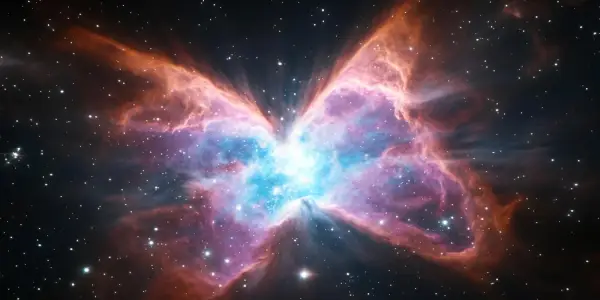
New Insights from the Butterfly Nebula May...

Exploring Key Questions Raised by ‘Avatar: Fire...
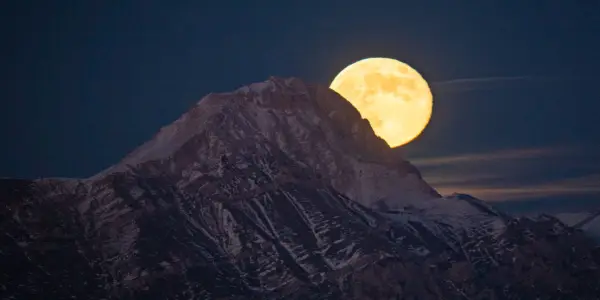
November's Full Supermoon: A Celestial Event to...

WhatsApp Security Vulnerability Exposes 3.5...

Steven Spielberg Steps Back from Sci-Fi Series...

Indigenous Activists Challenge COP30's Rainforest...

New Insights into 'Project Hail Mary' Reveal...
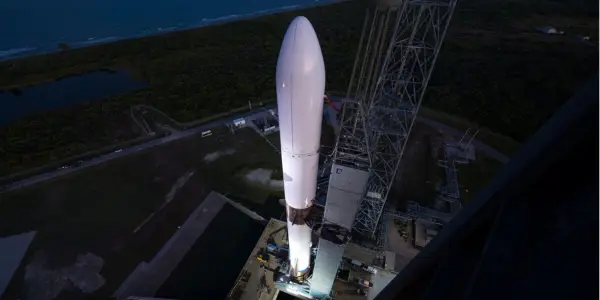
Geomagnetic Storm Forces Delay of Blue Origin's...
Ancient Australian Rocks Provide Insights into...
Newly Discovered Snake Species Named After Steve...