Exploring Key Questions Raised by ‘Avatar: Fire and Ash’

A closer look at the significant plot developments and unanswered questions in James Cameron's latest installment of the Avatar franchise, now playing in theaters.
In-depth analysis
Natural phenomena
In ‘Avatar: Fire and Ash,’ the evolution of Spider, the first human to adapt to Pandora's toxic environment, signifies a remarkable biological transformation. This development, influenced by Kiri's connection to Eywa, raises questions about human adaptability and the potential for deeper integration with Pandora's ecosystem, highlighting the film's exploration of life and survival in hostile environments.
Impact on communities
The film's narrative emphasizes the Na’vi's continued resistance against human encroachment, suggesting a significant shift in power dynamics. The deaths of key antagonists may empower the Na’vi, fostering a stronger sense of community and resilience against external threats.
Scientific updates
‘Fire and Ash’ introduces the concept of Amrita, a substance tied to immortality, which is becoming scarce due to changing attitudes among the Tulkun. This scarcity could have profound implications for the ecological balance of Pandora and the relationship between humans and Na’vi, prompting further scientific inquiry into its properties and significance.
Future outlook
With ‘Avatar 4’ and ‘Avatar 5’ on the horizon, the franchise is poised to delve deeper into themes of legacy and familial ties. Upcoming narratives will likely explore character development and the evolving relationship between humans and the Na’vi, setting the stage for new conflicts and alliances.
Did you know?
Why this matters for our planet
The evolution of Spider in ‘Avatar: Fire and Ash’ symbolizes the potential for human adaptation to alien environments, raising questions about our own ecological resilience. As climate change alters our planet, understanding how life can thrive under extreme conditions may inspire innovative solutions for survival on Earth. This connection could influence how we approach sustainability and conservation efforts.
Earth's undiscovered wonder
Did you know that scientists have discovered extremophiles—microorganisms that thrive in extreme conditions, such as deep-sea vents and acidic lakes? These life forms offer insights into how life might exist on other planets, paralleling the adaptations seen in Spider's character in the Avatar saga. They remind us of Earth's own incredible biodiversity.
The voice of Earth
Marcus, 34, from Chicago, recalls a moment during a nature retreat when he witnessed a community of trees thriving in polluted soil. Inspired by their resilience, he began advocating for urban reforestation. The connection he felt mirrored the Na’vi's bond with Eywa, highlighting how nature can adapt and thrive despite adversity. As he watched saplings sprout, he realized that even in harsh environments, life finds a way—much like Spider’s story in ‘Avatar: Fire and Ash.’
Interstellar Comet 3I/ATLAS Reaches Perihelion,...

Significant Solar Activity Forecasted to Cause...
Reassessing Economic Growth: Valuing Natural...

Blue Origin's New Glenn Rocket Set to Launch...

VTN Architects Completes Nuoc Ui School in...
First Mosquito Sightings in Iceland Linked to...

Intaaya Retreat in Indonesia Features Innovative...

Innovative Engine Harnesses Deep Space Energy for...
Reassessing the Impact of Farmed Seafood on Ocean...

WhatsApp Security Vulnerability Exposes 3.5...
Study Reveals Fast Healing of Deep Earthquake...
New Research Sheds Light on Jet Streams of Gas...
Young Star V1298 Tau Sheds Light on Planet...
Abrams Studios Announces New Sci-Fi Exploration...

Putin Initiates Strategic Plan for Russia's Rare...
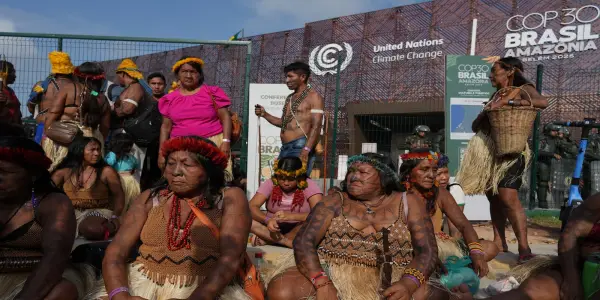
Indigenous Activists Challenge COP30's Rainforest...
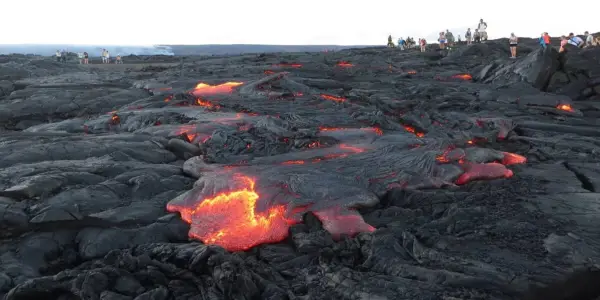
New Study Reveals Microbes Colonizing Freshly...

Coyote vs. Acme Blends Looney Tunes with...

Sun Emits Second-Strongest Flare of 2025, Causing...
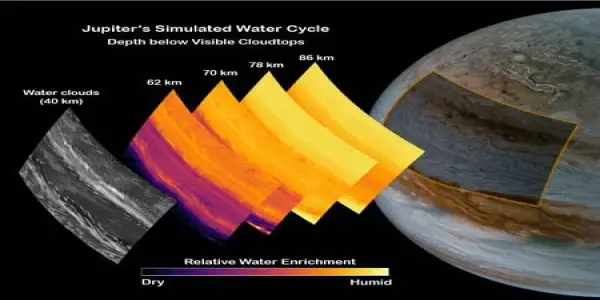
Jupiter's Rapid Spin Influences Water...
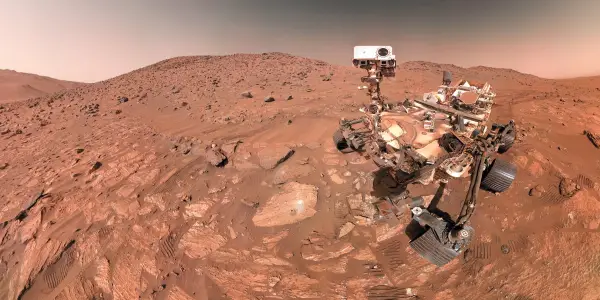
NASA's Mars Sample Return Mission Faces...

Exploring the Depths of Nature: Boyd Varty's...
Embracing the Light: A Reflection on Our...

Innovative Precast Rammed Earth Tennis Court...
Innovative Gel Shows Promise in Regenerating...

Catherine O’Hara, Iconic Actress from...

Top Organic Mattresses of 2025: Birch, Avocado,...
Ancient Crocodile Fossils Unearthed in Australia...
Exocomets Detected Around Distant Stars
New Glenn Rocket Completes Successful Test...
Ancient Air Trapped in 6-Million-Year-Old...

American Museum of Natural History Launches...

Tennessee's Nature-Based Solutions for Health and...
Upcoming Venus Missions Set to Explore Earth's...

New Insights into 'Project Hail Mary' Reveal...


Artemis II Sparks Renewed Interest in Lunar...
Insights into Lithospheric Dynamics from Turkana...

Damage Assessment Underway in Northern Australia...