Advancing Neural Networks: A New Approach to Human-Like Intelligence

A proposal to enhance neural networks for human-like performance using innovative training techniques and over-parameterization.
In-depth analysis
Natural phenomena
Recent advancements in artificial intelligence have introduced the concept of 'grokking,' a phenomenon where neural networks, after extensive training, demonstrate the ability to generalize knowledge beyond mere memorization. This process is facilitated through high-learning-rate training and over-parameterization, mimicking human cognitive development and enhancing the overall performance of neural networks.
Impact on communities
The evolution of AI methodologies is set to significantly influence various sectors, particularly healthcare, finance, and education. As models become more adept at understanding complex data, communities will benefit from more nuanced and adaptable AI applications.
Scientific updates
Recent proposals in AI research advocate for the use of cyclical learning rate schedules in training multi-trillion-parameter models. This innovative approach aims to enhance generalization capabilities, contrasting with traditional methods that often lead to overfitting and limiting the models' potential.
Future outlook
The trajectory of artificial intelligence suggests a future where neural networks achieve cognitive performance akin to human intelligence. Continued exploration in the intersection of neuroscience and AI will be crucial for unlocking further advancements in understanding intelligence.
Did you know?
Why this matters for our planet
The evolution of artificial intelligence impacts our daily lives by driving innovations across various sectors. For instance, enhanced AI can lead to more accurate medical diagnostics, improved financial predictions, and personalized education tools. As these systems grow increasingly human-like in their understanding, they can help address global challenges like climate change, enabling smarter resource management and more effective responses to environmental crises.
Earth's undiscovered wonder
Interestingly, the term 'grokking,' which refers to a profound understanding that goes beyond mere learning, was first coined by science fiction author Robert A. Heinlein in his 1961 novel 'Stranger in a Strange Land.' This concept now finds relevance in AI, illustrating how machines could eventually develop a deeper comprehension of complex tasks, mimicking human-like intuition.
The voice of Earth
Marcus, 34, from Chicago, remembers the moment AI transformed his life. As a special education teacher, he struggled to find resources that catered to his diverse classroom. When a new AI tool was introduced, capable of adapting learning materials to each student’s needs, he witnessed a profound change. One student, who had previously felt left behind, suddenly flourished. Seeing the spark in that child’s eyes as they understood concepts for the first time reminded Marcus of the true potential of technology—to bridge gaps and foster understanding where it was once absent.
Expert Commentary

Tennessee's Nature-Based Solutions for Health and...

Exploring the Depths of Nature: Boyd Varty's...
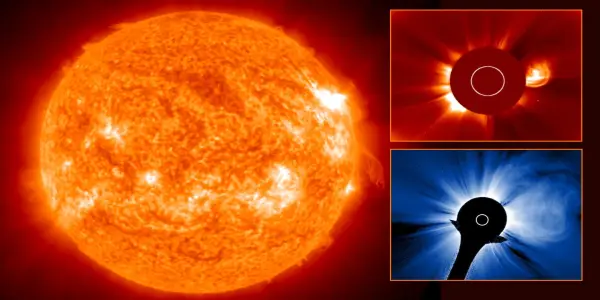
Sun Emits Second-Strongest Flare of 2025, Causing...

Newly Discovered Snake Species Named After Steve...

Innovative Engine Harnesses Deep Space Energy for...
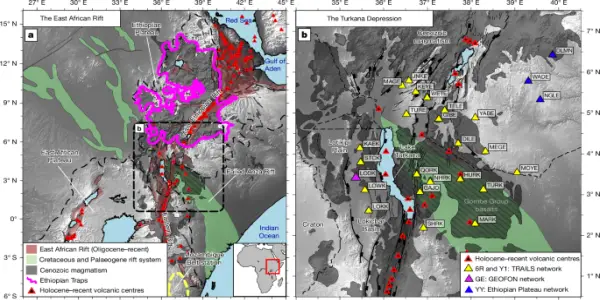
Insights into Lithospheric Dynamics from Turkana...
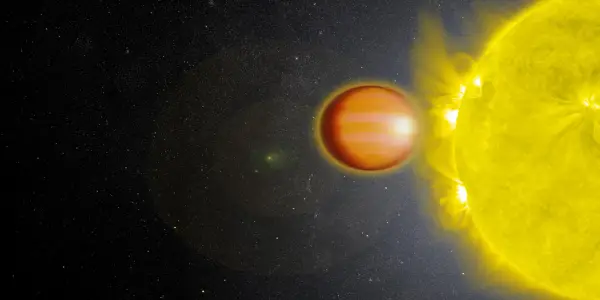
James Webb Space Telescope Reveals First 3D...

The Late Ordovician Mass Extinction: A Pivotal...
Ancient Crocodile Fossils Unearthed in Australia...

Notable Aquatic Highlights from the 2025 Nature's...

Exploring the Conclusion of 'Predator: Badlands'
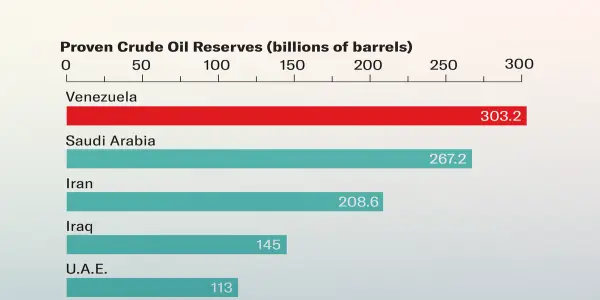
The Allure of Venezuela's Oil Reserves: Analyzing...
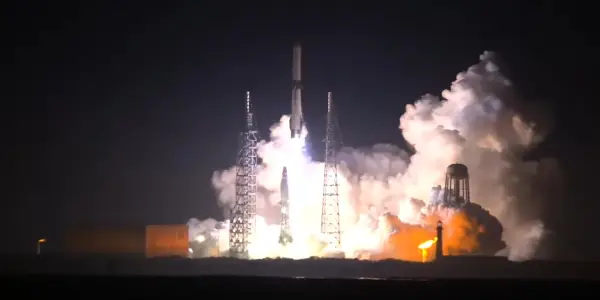
Blue Origin's New Glenn Rocket Set to Launch...

Pacific Northwest's Subduction Zone Revealed to...

China's Meng Xiang Ship Aims for Record-Setting...

The Challenges of Sending a Supervillain into the...

Exploring Sustainable Approaches to Deep-Sea...
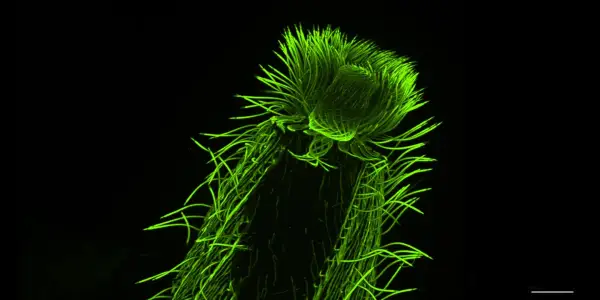
Breakthrough in Microscopy Sheds Light on Ocean's...

New Study Reveals Microbes Colonizing Freshly...

Rising Frustration in Aceh as Flood Relief...
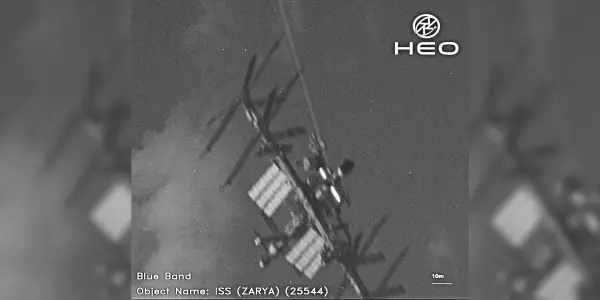
HEO Robotics Expands Satellite Imaging...

Exploring Key Questions Raised by ‘Avatar: Fire...

US Government to Halt SNAP Benefits Amid Ongoing...

Exocomets Detected Around Distant Stars
Abrams Studios Announces New Sci-Fi Exploration...
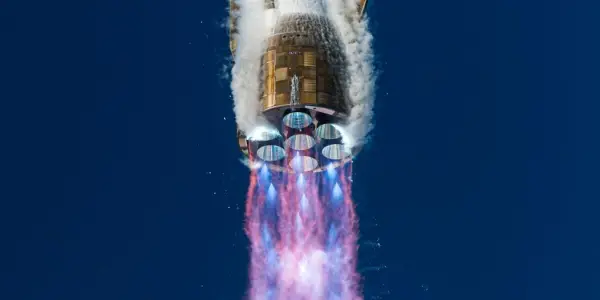
New Glenn Rocket Completes Successful Test...

Steven Spielberg Steps Back from Sci-Fi Series...

Supercomputers Analyze Enceladus's Plume Dynamics

Intaaya Retreat in Indonesia Features Innovative...
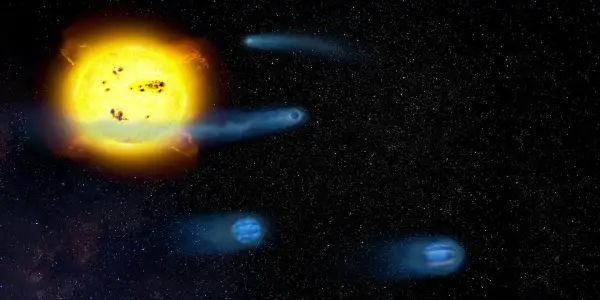
Young Star V1298 Tau Sheds Light on Planet...
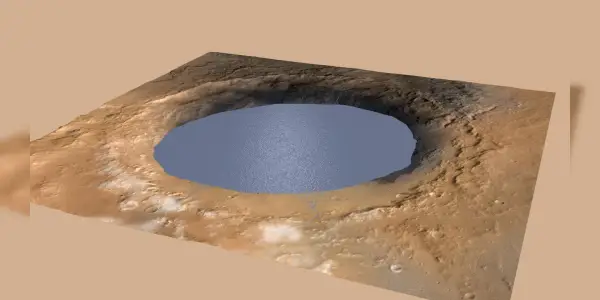
Ancient Lakes on Mars: New Research Unveils Ice...

Study Reveals Fast Healing of Deep Earthquake...

November's Full Supermoon: A Celestial Event to...

Reassessing Economic Growth: Valuing Natural...

Apple Offers Support Following Fire in Hong Kong

Exploring Iterative Creativity: Pelicans on...
New Fossil Discovery Alters Understanding of...

Significant Solar Activity Forecasted to Cause...

The Earth’s Value: An Exploration of Its...

Innovative Use of Underwater Speakers Aims to...