NASA's Upcoming Roman Space Telescope Set to Transform Stellar Research Before Launch
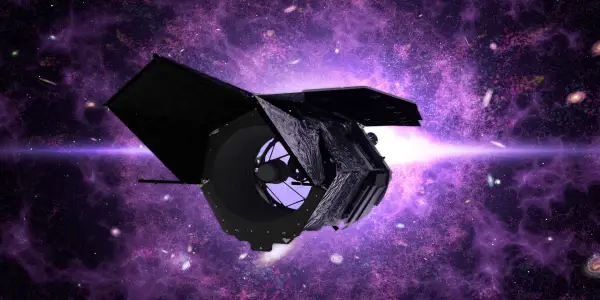
The Nancy Grace Roman Space Telescope, slated for launch soon, is poised to enhance our understanding of red giants and their orbiting planets through advanced seismic measurements.
In-depth analysis
New discoveries
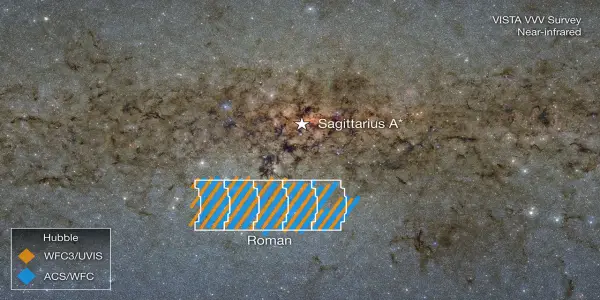
The Nancy Grace Roman Space Telescope is set to unveil groundbreaking insights into red giant stars through its Galactic Bulge Time-Domain Survey. By capturing detailed asteroseismic data, Roman may identify over 100,000 red giants, enhancing knowledge about stellar evolution and planetary systems. Its capabilities could also reveal hidden stellar populations in the Milky Way's bulge.
Mission updates
Scheduled for launch in the fall, the Roman Space Telescope is poised to significantly advance astrophysics with its extensive surveys and advanced observational techniques. Recent publications highlight its enhanced asteroseismic capabilities.
Who is affected
Astronomers and astrophysicists stand to benefit greatly from Roman's findings, as the telescope's data will refine our understanding of stellar dynamics and exoplanetary systems. Additionally, researchers studying the Milky Way's formation will gain insights into previously obscured stellar populations.
Next steps
Following its anticipated launch, the Roman Space Telescope will commence its Galactic Bulge Time-Domain Survey. This will involve monitoring hundreds of millions of stars to gather unprecedented asteroseismic data and explore the characteristics of red giants.
Did you know?
Why we should care
The upcoming launch of NASA's Nancy Grace Roman Space Telescope could reshape our understanding of the cosmos, with implications that echo in everyday life. By studying red giants and their oscillations, we may uncover insights about our own sun's future and the fate of Earth. As we grapple with climate change and the sustainability of our planet, understanding stellar evolution can inform our approach to planetary stewardship.
The universe's unsolved mystery
Despite centuries of exploration, the true nature of dark matter and dark energy remains elusive. As Roman embarks on its mission, the data gathered could shed light on these cosmic mysteries, exploring how they influence star formation and galaxy evolution. Each answer could unlock new questions, revealing the complexity of the universe we inhabit.
The person who looks at the stars
Meet Clara Chen, a high school astronomy teacher whose fascination with the night sky began as a child in rural Idaho. Clara often shares her passion with students, encouraging them to peer through telescopes at the vastness beyond. With the launch of the Roman telescope, she dreams of a day when her students can directly engage with the discoveries it yields. For Clara, the stars are not just distant objects; they symbolize hope and curiosity. She imagines her students following in the footsteps of astronomers, contributing to discoveries that could change our understanding of life beyond Earth. Clara’s connection to the cosmos fuels her belief in the power of education to inspire the next generation of scientists and dreamers.
Blue Origin Faces Major Setback as New Glenn...
The Impact of Space Technology on Everyday Life
NASA's X-59 Achieves Historic Supersonic Flight
NASA Unveils New Images of Interstellar Comet...
Discovery of a Planet Formation Zone Beyond...
Collaboration Between Exoplanet Researchers and...
Astronomers Identify Potential Earth-Like...
NASA's ESCAPADE Probes Set for Unique Journey to...
Webb Telescope Reveals Unprecedented Cosmic...
China's Mars Orbiter Captures Image of...
Astronomers Converge in Phoenix for AAS 247: A...
Astronomers Capture Unprecedented Black Hole...

OnePlus 15 vs. Samsung Galaxy S25 Plus: A Clash...

Jeff Bezos's AI Hardware Venture Takes Aim at...

Daily Roundup: November 10, 2025 – Advancements...

European Space Agency Unveils Stunning Radar...
Study Suggests the Universe's Expansion May Be...
X5.1 Solar Flare Triggers G4 Geomagnetic Storm...
NASA's Campaign to Monitor Interstellar Comet...
Hawaiian Students Honor Gemini North Telescope's...
Potential Evidence of Dark Matter Emerges from...
Unusual Wind from Neutron Star Challenges Space...
Astronomers Uncover Evidence of Aging Stars...
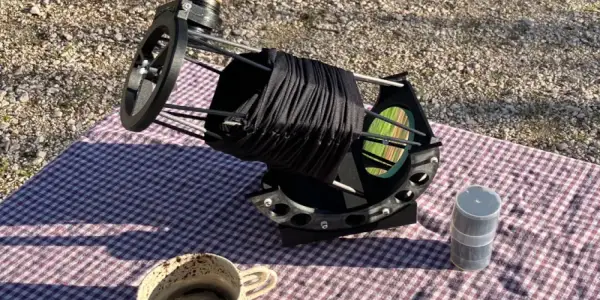
Innovative Portable Reflecting Telescope...
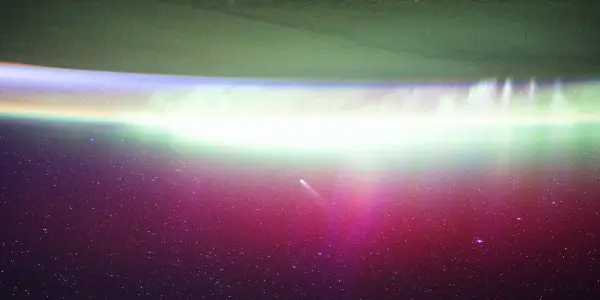
Astronauts aboard the ISS Capture Stunning Images...
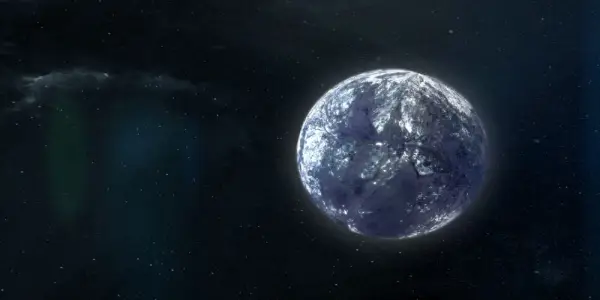
Rogue Moons: A New Frontier for Life Beyond Stars
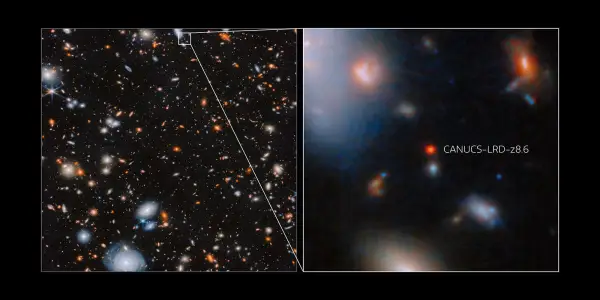
James Webb Telescope Identifies Rapidly Growing...
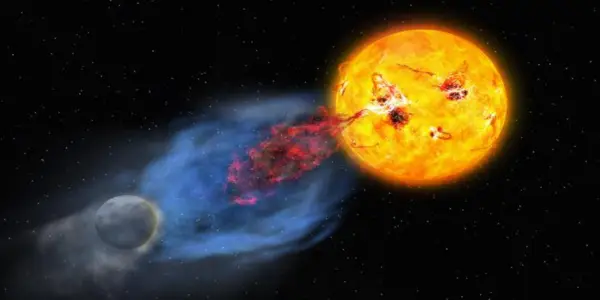
Intense Solar Storms Could Ignite Life on...
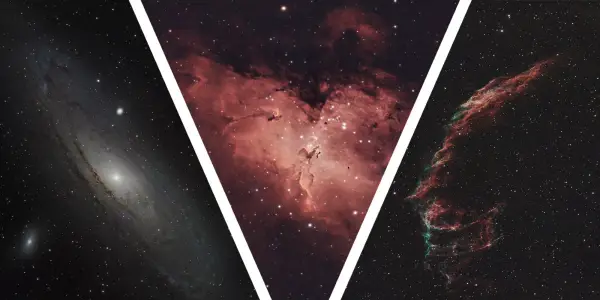
The Dwarf III Smart Telescope: A Compact Marvel...
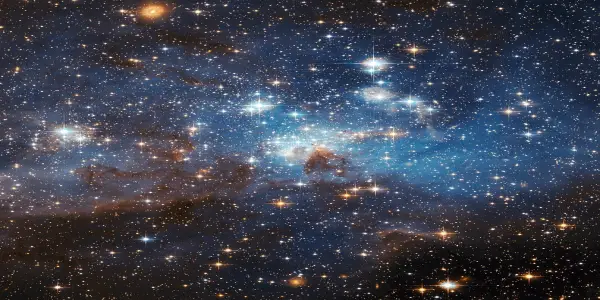
Mapping the Invisible: Astronomers Uncover Dark...

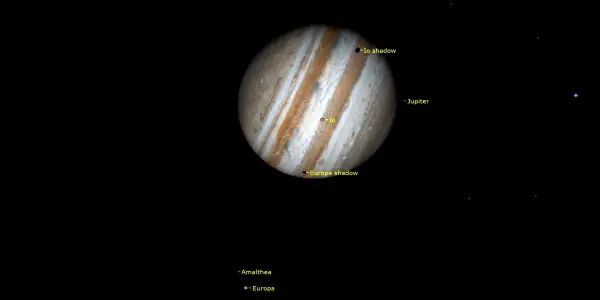
Jupiter's Moons Io and Europa to Cast Shadows...

Boeing's Upcoming Starliner Mission Set for April...
Astronomers Uncover a Rapid Star-Forming Galaxy...

This Week In Space Podcast: Episode 187 Explores...
James Webb Space Telescope Sheds Light on Early...
Unraveling the Mysteries of Mars: Recent...
New Research Suggests Dark Matter Influences...
Andromeda Galaxy's Impact on Its Satellite...