The Evolving Landscape of Political Discourse: A Historical Perspective

Explore the transformation of political discourse from historical pamphlets to today's social media. Discover how anonymity fuels moral accusations over logi...
In-depth analysis
Background context
The evolution of political discourse has been profoundly influenced by the rise of social media, paralleling historical communication methods such as pamphlets and satire. This shift has created a landscape where moral accusations often overshadow logical debate, leading to a culture characterized by low accountability and unrestrained attacks on opponents.
Key political implications
The transformation of discourse affects political leadership strategies, as figures must balance reasoned dialogue with aggressive tactics to maintain support and relevance in a polarized environment.
Who gains / who loses
Political factions that effectively utilize social media to provoke and undermine rivals may gain short-term advantages, while moderates risk being sidelined in a discourse increasingly dominated by extreme rhetoric and moral accusations.
Possible future scenarios
As political entities adapt to the evolving discourse landscape, there may be a resurgence of moderates advocating for constructive dialogue, or a further entrenchment of divisive tactics that prioritize provocation over collaboration.
Did you know?
Why you should know this
The transformation of political discourse through social media directly impacts how we engage with issues that affect our daily lives, such as healthcare, education, and social justice. Understanding this shift helps individuals critically assess the information they consume online. It’s essential to recognize how moral accusations can derail meaningful discussions, influencing public opinion and policy decisions that shape our communities.
Behind the political curtain
In the early 19th century, anonymous pamphlets played a pivotal role in shaping public opinion during elections, allowing ordinary citizens to influence political outcomes without revealing their identities. This historical precedent highlights how anonymity in political communication has long been a double-edged sword, fostering both engagement and divisiveness.
Ordinary person in an extraordinary situation
Meet Sarah, a 34-year-old teacher in a suburban town. Frustrated by the divisive political rhetoric on social media, she often finds herself caught in heated discussions with friends and family. Sarah believes that discussions about critical issues like education funding are being overshadowed by inflammatory comments. Her experience underscores a growing concern among many citizens who yearn for constructive debate but feel stifled by the prevailing culture of accusation. The challenge for people like Sarah is to navigate these conversations thoughtfully, seeking common ground despite the noise. It’s a reminder that behind every social media post, there are real people yearning for connection and understanding.
Expert Commentary

Japan and Finland in Diplomatic Tension Following...
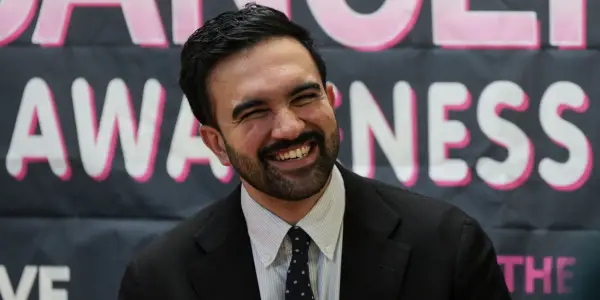
Zohran Mamdani Secures Victory in New York City...
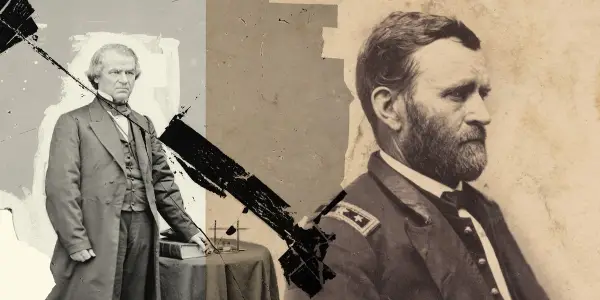
Lessons from Ulysses S. Grant on Civil-Military...

UK Finalizes £8 Billion Typhoon Fighter Jet...

Reddit Enhances App Performance with R8...

Apple Achieves Unprecedented Financial Success in...
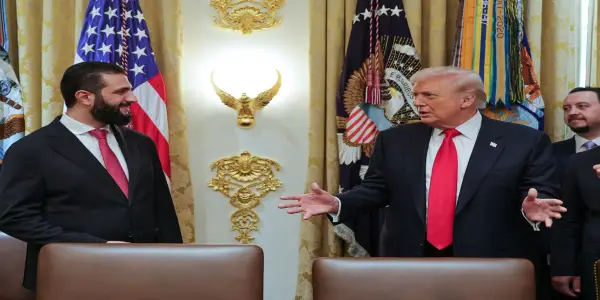
U.S. Extends Sanctions Relief as Syrian Leader...
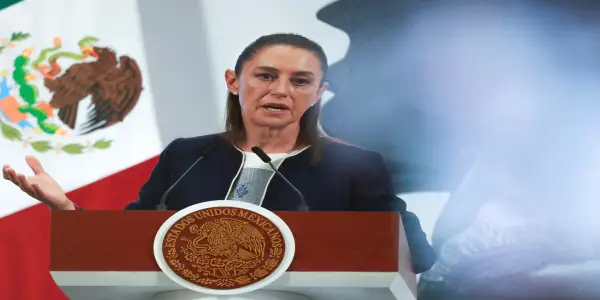
US Tariffs Impact Nuevo Leon's Steel Sector,...

Iraq's Parliamentary Elections: Key Insights...

Political Reactions to BBC Leadership Changes...

Japan Protests China's Travel Advisory Amid...

China's Shift to a Cautious Research Strategy...
Contradictory Signals from Trump and Rubio on...
Jim Avila, Esteemed ABC News Correspondent, Dies...

WWE Raw Recap: Titles Change Hands in Thrilling...
Kenya Urges Protection for Citizens Amid...
Hungarian Prime Minister Viktor Orban Engages...
Texas Governor Abbott Designates CAIR as a...
The Impact of Trump's Second Year: A Year of...
Japan Reacts Strongly to China's Travel Advisory...
Germany Resumes Arms Exports to Israel Amid...

Ireland Moves Forward with Bill Targeting Israeli...

Algeria Grants Pardon to Jailed Novelist Boualem...

U.S. Embassies Redefine Human Rights:...

Bhutan's Complex Relationship with India: A...

Isaac Asimov's Perspective on Star Trek: A Sci-Fi...

New Yorkers Kick Off Early Voting for Mayoral...

Jetpack Navigation 3 Achieves Stability for...

Democrats Celebrate Recent Wins Amidst Internal...

Mark Carney Discusses Political Transition During...

Trump Appoints Special Envoy to Greenland,...

Saudi Crown Prince Mohammed bin Salman Set for...
The 1969 Sino-Soviet Border Conflict: A Near Miss...

Examining Trump's Claims of Resolving Conflicts:...

Spain's Attorney General Convicted in...

Armenian Deputy Foreign Minister Visits Israel...

Italy's Meloni Engages with Qatar Emir on Energy...

The Fate of the Maquis in Star Trek: A Missed...
Denmark's Prime Minister Advocates for Stricter...