China's Shenzhou 22 Mission Launches Uncrewed Capsule for Astronauts at Tiangong Space Station
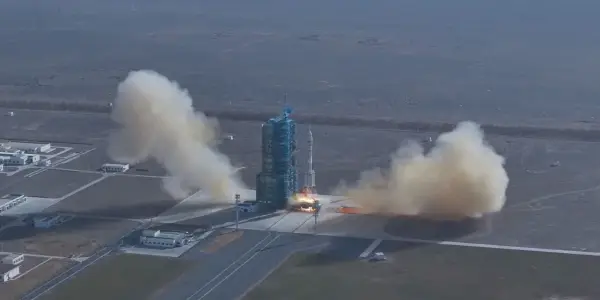
China's Shenzhou 22 mission successfully launched an uncrewed capsule to ensure the safe return of three astronauts from the Tiangong space station amid safe...
In-depth analysis
New discoveries
The Shenzhou 22 mission marks a pivotal advancement in China's space exploration, showcasing the development of uncrewed spacecraft specifically designed for astronaut recovery. This innovation reflects a growing understanding of safety protocols necessary for human spaceflight, particularly in response to unexpected challenges such as spacecraft damage from debris.
Mission updates
Launched on November 24, the Shenzhou 22 mission aims to safely return three astronauts from the Tiangong space station. This uncrewed spacecraft addresses safety concerns following the discovery of a crack in their original return vehicle.
Who is affected
The astronauts currently aboard the Tiangong space station are directly impacted by the Shenzhou 22 mission, as their safe return relies on this uncrewed spacecraft. Additionally, the incident raises broader safety concerns for future missions involving human spaceflight.
Next steps
Following the successful launch of Shenzhou 22, the focus will shift to ensuring the astronauts' safe return. Future missions will likely emphasize the need for reliable spacecraft and enhanced emergency protocols to safeguard crewed space travel.
Did you know?
Why we should care
The Shenzhou 22 mission highlights the critical importance of safety in space travel, particularly as nations expand their presence beyond Earth. For astronauts, this moment is an intense reminder of the risks involved in their work. For everyday people, it underscores the need for robust safety measures in high-stakes environments, influencing how we approach technology and risk management in sectors ranging from aviation to healthcare.
The universe's unsolved mystery
As nations like China push the boundaries of space exploration, the question remains: how do we ensure the safety of astronauts in the vast, unpredictable expanse of space? Each mission brings us closer to understanding the cosmos, yet the challenges faced also reveal the gaps in our knowledge about safe human activity beyond Earth, urging a reevaluation of our technological limitations.
The person who looks at the stars
Li Wei, a 34-year-old aerospace engineer from Beijing, often spends evenings stargazing, contemplating the lives of astronauts aboard Tiangong. With a childhood fascination for space, he now channels that passion into designing safer spacecraft. The Shenzhou 22 mission resonates deeply with him; it’s not just a technical achievement but a personal connection to the risks faced by those he considers heroes. Each successful launch reinforces his commitment to ensuring those heroes return safely, inspiring him to innovate further. The challenges of space travel are daunting, yet they fuel his determination to contribute to a future where exploration is safe and accessible.
Blue Origin Faces Major Setback as New Glenn...
The Impact of Space Technology on Everyday Life
NASA's X-59 Achieves Historic Supersonic Flight
NASA Unveils New Images of Interstellar Comet...
Discovery of a Planet Formation Zone Beyond...
Collaboration Between Exoplanet Researchers and...
Astronomers Identify Potential Earth-Like...
NASA's ESCAPADE Probes Set for Unique Journey to...
Webb Telescope Reveals Unprecedented Cosmic...
China's Mars Orbiter Captures Image of...

This Week In Space Podcast: Episode 187 Explores...
Astronomers Capture Unprecedented Black Hole...

OnePlus 15 vs. Samsung Galaxy S25 Plus: A Clash...

Jeff Bezos's AI Hardware Venture Takes Aim at...

Daily Roundup: November 10, 2025 – Advancements...

European Space Agency Unveils Stunning Radar...
Study Suggests the Universe's Expansion May Be...

Samsung Unveils Unprecedented Black Friday Deal...
NASA's Campaign to Monitor Interstellar Comet...
Hawaiian Students Honor Gemini North Telescope's...
Potential Evidence of Dark Matter Emerges from...

Unusual Wind from Neutron Star Challenges Space...
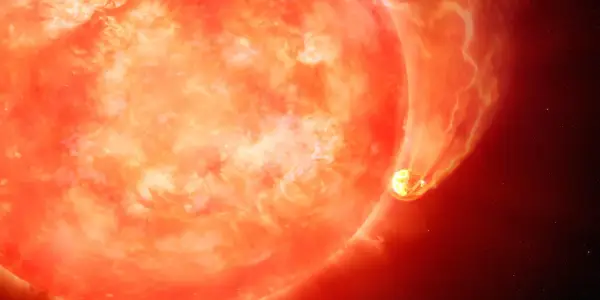
Astronomers Uncover Evidence of Aging Stars...
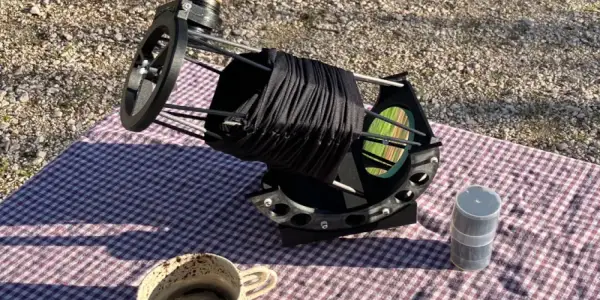
Innovative Portable Reflecting Telescope...
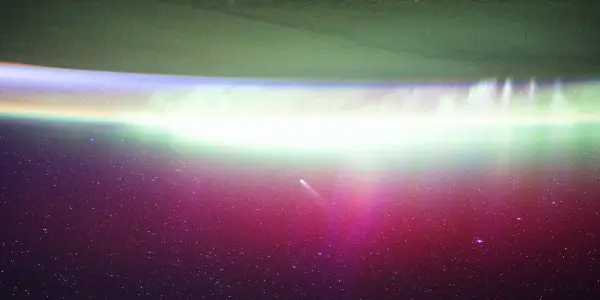
Astronauts aboard the ISS Capture Stunning Images...

Rogue Moons: A New Frontier for Life Beyond Stars
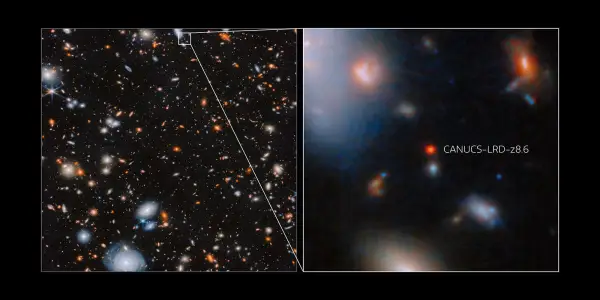
James Webb Telescope Identifies Rapidly Growing...
Intense Solar Storms Could Ignite Life on...
The Dwarf III Smart Telescope: A Compact Marvel...
Mapping the Invisible: Astronomers Uncover Dark...
Jupiter's Moons Io and Europa to Cast Shadows...
Boeing's Upcoming Starliner Mission Set for April...

Astrophysicists Unveil Dark Universe Through...
Astronomers Uncover a Rapid Star-Forming Galaxy...
Astronomers Converge in Phoenix for AAS 247: A...
James Webb Space Telescope Sheds Light on Early...
NASA and Blue Origin Successfully Launch Dual...

New Research Suggests Dark Matter Influences...
Andromeda Galaxy's Impact on Its Satellite...