Creating an Affordable Satellite Tracking System
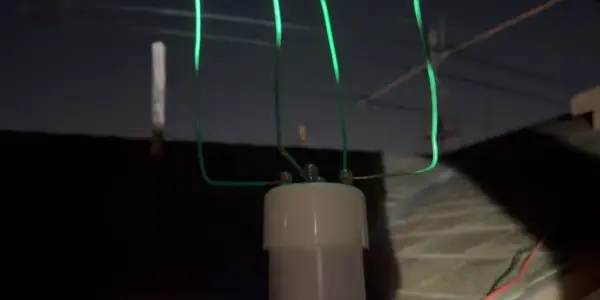
Discover how to build an affordable satellite tracking system with basic electronics. This DIY project reveals techniques to enhance your stargazing experience.
In-depth analysis
New discoveries
Recent advancements in satellite tracking technology have unveiled new methods for enthusiasts to monitor orbital objects. The DIY satellite tracker project highlights the potential of low-cost solutions, enabling users to engage with satellite data in ways previously limited to specialized professionals. This approach enhances public understanding of satellite operations and their significance.
Mission updates
The Ham Radio Crash Course has successfully demonstrated a DIY satellite tracking system, showcasing its construction and functionality. This initiative emphasizes the importance of accessible technology in amateur satellite monitoring.
Who is affected
Amateur radio enthusiasts, space hobbyists, and educational institutions stand to benefit from this innovative satellite tracking project. By providing affordable tools, it encourages a wider audience to explore satellite technology and its applications in communication and research.
Next steps
Future developments may include refining the tracking system and expanding its capabilities. Continued community engagement and feedback will likely drive enhancements, fostering further interest in satellite technology among amateur enthusiasts.
Did you know?
Why we should care
Understanding satellite movements isn't just for tech enthusiasts; it impacts everyday life. From weather forecasting to GPS navigation, satellites play a crucial role in daily activities. By learning to track these satellites, hobbyists can engage more deeply with the technology that shapes communication and emergency services. This DIY project fosters a sense of empowerment and curiosity, bridging the gap between complex science and the average citizen.
The universe's unsolved mystery
Despite our advancements, the vastness of space still holds secrets about the satellites orbiting Earth. Questions linger about how these man-made objects interact with natural celestial phenomena. Are they influencing Earth's climate in unforeseen ways? As DIY tracking systems become more popular, they could unveil patterns and correlations previously overlooked, bringing us closer to solving these cosmic puzzles.
The person who looks at the stars
Meet Julia, a middle school science teacher from Ohio, who spends her evenings gazing at the stars with her students. Inspired by the DIY satellite tracker, she built one for her classroom, sparking a newfound interest in STEM. Each time they spot the International Space Station zipping through the sky, the students' faces light up with wonder. Julia sees this project as more than just technology; it fosters curiosity about the universe and encourages critical thinking. For her, the night sky is not just a canvas of stars, but a gateway to discussions about physics, engineering, and the importance of exploration. This endeavor has transformed her classroom into a hub of innovation and passion, connecting young minds with the infinite possibilities of space.
Unraveling the Mysteries of Mars: Recent...
Discovery of a Planet Formation Zone Beyond...
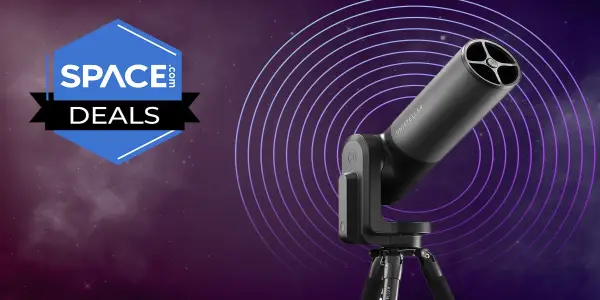
Unistellar eQuinox 2 Smart Telescope Sees...
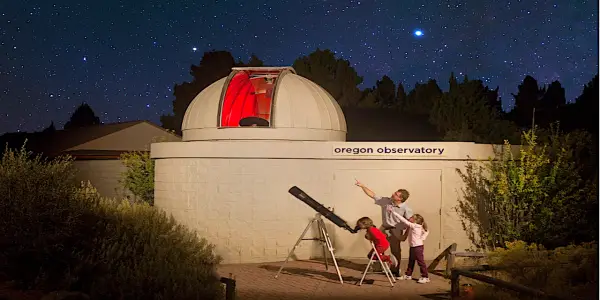
Exploring Oregon's Premier Public Telescope...
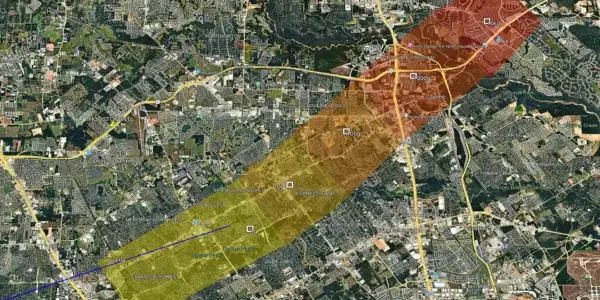
Meteorite Fragment May Have Impacted Houston Home
Samsung Galaxy S26 Expected to Feature Enhanced...
NASA Unveils New Images of Interstellar Comet...
Breakthrough in Milky Way Simulation Using AI...
European Space Agency Unveils Stunning Radar...

Top Black Friday Smartwatch Deals Worth...
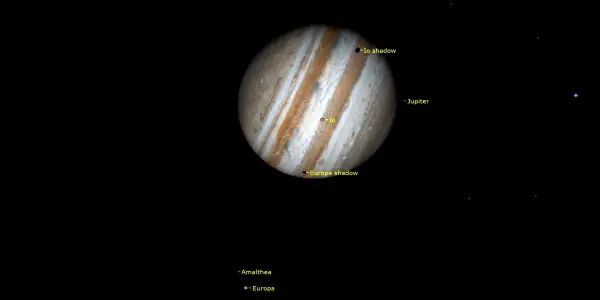
Jupiter's Moons Io and Europa to Cast Shadows...
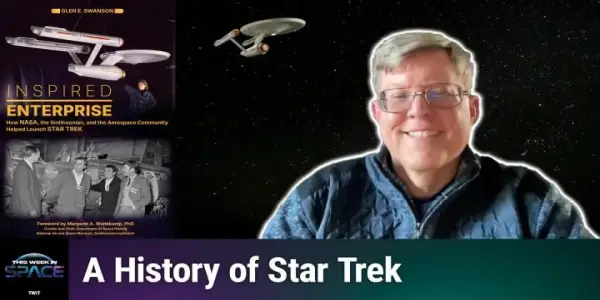
This Week In Space Podcast: Episode 187 Explores...
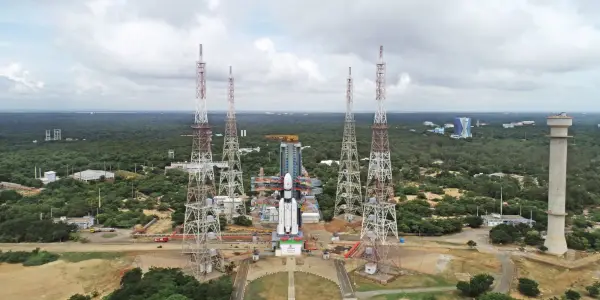
India Successfully Launches CMS-03 Military...
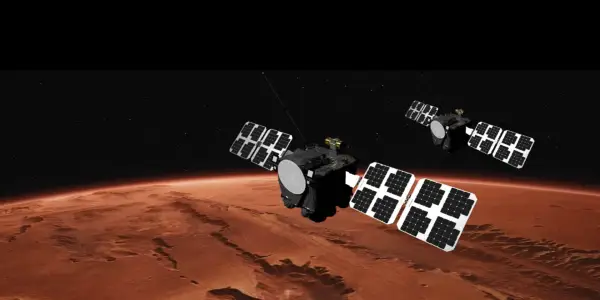
NASA's ESCAPADE Probes Set for Unique Journey to...
Mapping the Invisible: Astronomers Uncover Dark...
Unusual Wind from Neutron Star Challenges Space...
Assessing the Financial Impact of NASA's Apollo...
NASA and Blue Origin Successfully Launch Dual...

Astronomers Identify Three Earth-Sized Exoplanets...
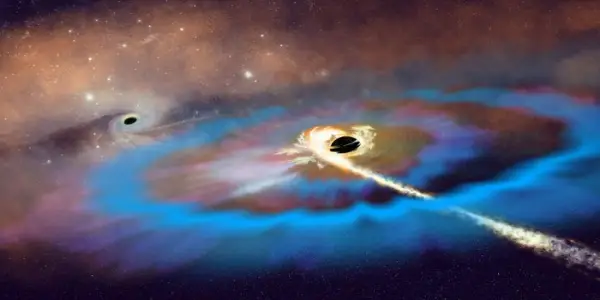
Astronomers Capture Unprecedented Black Hole...
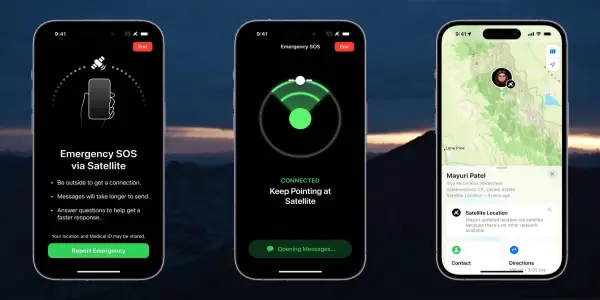
Apple Introduces Emergency SOS via Satellite in...
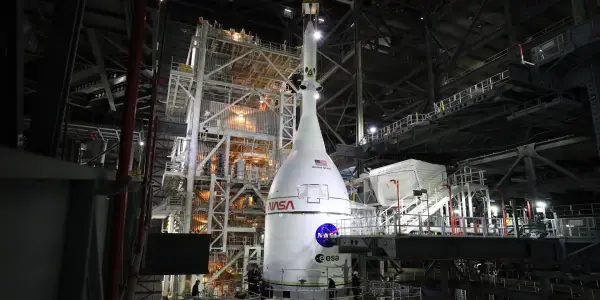
NASA Advances Artemis 2 Mission with Orion...
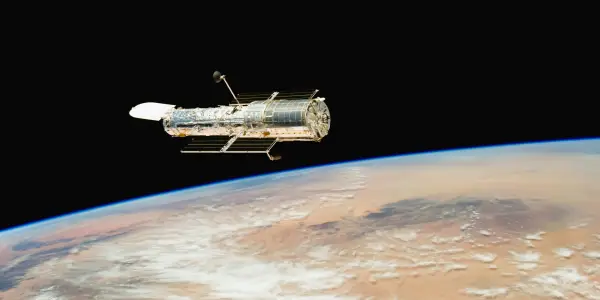
The Impact of Space Technology on Everyday Life

Astrophysicists Unveil Dark Universe Through...
Euclid Space Telescope Discovers Hidden Stars in...
Exploring the Composition of Cosmic Voids
OnePlus 15 vs. Samsung Galaxy S25 Plus: A Clash...
AI Reveals Over 800 New Cosmic Anomalies from...

The Pleiades Star Cluster Reveals Its Extensive...
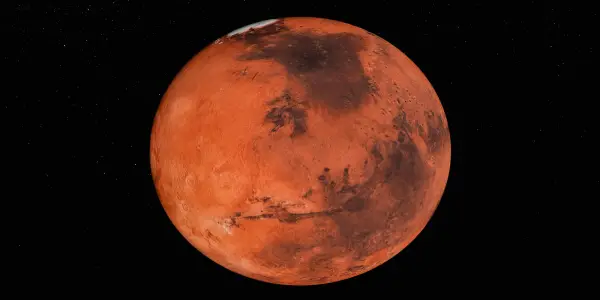
NASA's Ambitious Timeline for Human Exploration...

X-Men Return to Education in Upcoming Comic...

Rogue Moons: A New Frontier for Life Beyond Stars
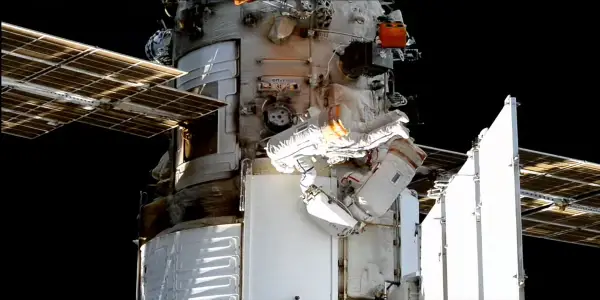
Russian Cosmonauts Conduct Extended Spacewalk to...
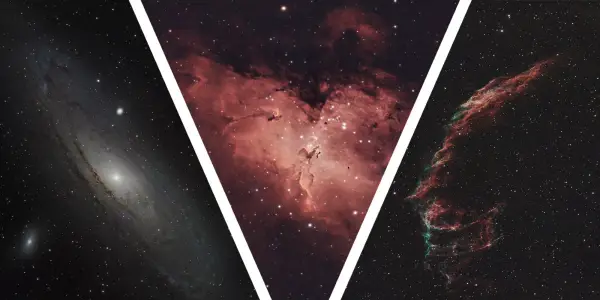
The Dwarf III Smart Telescope: A Compact Marvel...

FULU Foundation Introduces Repair Bounty System...

Lenovo's Legion Tab Gen 3 Sees Significant Black...
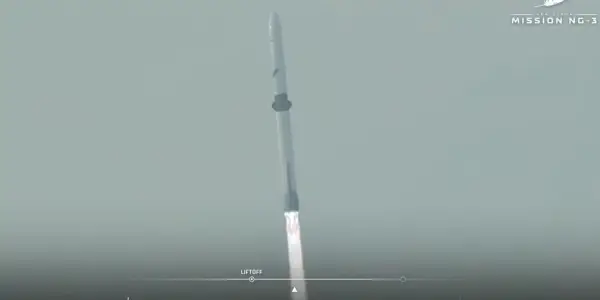
Blue Origin Faces Major Setback as New Glenn...
SpaceX Faces Challenges in Meeting NASA's 2027...