3I/ATLAS Comet Reveals Unprecedented Carbon Dioxide Composition
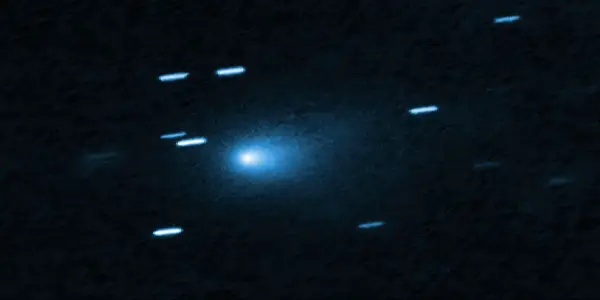
Astronomers are closely monitoring 3I/ATLAS, the latest interstellar comet discovered in July, as it approaches its perihelion in October. Recent findings from the James Webb Space Telescope highlight the unique composition of its coma, primarily consisting of carbon dioxide.
In-depth analysis
New discoveries
Recent observations of the interstellar comet 3I/ATLAS reveal a remarkable composition, primarily consisting of carbon dioxide. This finding, with a carbon to water ratio six standard deviations above average, provides unprecedented insights into the conditions of its formation, potentially enhancing our understanding of the early stellar environments that shaped such celestial bodies.
Mission updates
As 3I/ATLAS approaches its closest point to the Sun, astronomers are intensifying their observations to gather crucial data before it becomes too faint for detailed study, highlighting the urgency of this mission.
Who is affected
The astronomical community, particularly researchers focused on cometary science and the study of interstellar objects, stands to benefit significantly from the findings related to 3I/ATLAS. The insights gained could influence future studies and enhance understanding of solar system formation.
Next steps
Following the close approach, scientists plan to analyze additional data from Mars-based probes and continue research on 3I/ATLAS. This ongoing investigation aims to deepen knowledge of interstellar material and its implications for cometary science.
Did you know?
Why we should care
The study of interstellar comets like 3I/ATLAS connects directly to our understanding of the universe and our own origins. By analyzing its unique composition, scientists can draw parallels to the building blocks of our solar system, shedding light on the conditions that led to Earth’s formation. This insight may ultimately influence everything from planetary science to the search for extraterrestrial life.
The universe's unsolved mystery
3I/ATLAS poses intriguing questions about the formation of celestial bodies in different stellar environments. Its unusual carbon dioxide levels challenge existing models of cometary composition. As scientists decode its mysteries, they may uncover deeper truths about the early solar system and the processes that govern the creation of matter in the cosmos.
The person who looks at the stars
Meet Eliana, a high school astronomy teacher in Tucson, Arizona. Every night, she gathers her students to observe the stars and planets through her telescope. The arrival of 3I/ATLAS has been a thrilling topic in her classroom. For Eliana, this comet represents more than just a fleeting cosmic visitor; it embodies the curiosity that drives human exploration. She encourages her students to ponder the origins of such objects and their roles in the universe. As they discuss the comet’s unique carbon composition, Eliana sees their eyes light up with wonder, reminding her that every observation is a step toward greater knowledge. For Eliana and her students, 3I/ATLAS is a bridge connecting them to the vast mysteries of space, igniting dreams of future discoveries.
Expert Commentary
Breakthrough in Milky Way Simulation Using AI...

Exploring Alternatives to the Meta Quest 3 Elite...
NASA Considers Reopening Bidding for Artemis 3...
Russian Cosmonauts Conduct Extended Spacewalk to...
Potential Alien Disclosure May Trigger Bitcoin...
Euclid Space Telescope Discovers Hidden Stars in...
ISS Crew Takes Precautions Against Radiation...
Astronomers Uncover a Rapid Star-Forming Galaxy...

This Week In Space Podcast: Episode 187 Explores...
NASA's Artemis 3 Moon Mission Delayed to 2028 Due...
Intense Solar Storms Could Ignite Life on...
Apple Introduces Emergency SOS via Satellite in...
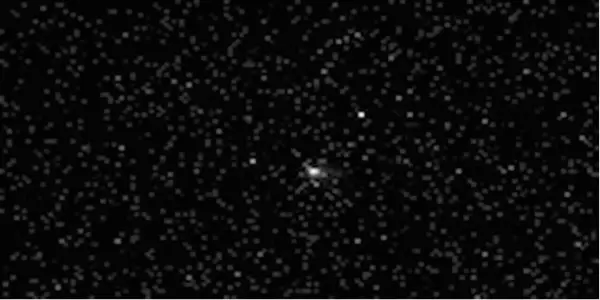
China's Mars Orbiter Captures Image of...
Hubble Telescope Unveils Enigmatic Galaxy NGC 2775

Satellite Imagery Reveals Extensive Damage Across...
The Pleiades Star Cluster Reveals Its Extensive...
Artemis 2 Astronauts Safely Return After Historic...

Astrophysicists Unveil Dark Universe Through...
New Simulations Shed Light on the Enigmatic...
The Dwarf III Smart Telescope: A Compact Marvel...
Mapping the Invisible: Astronomers Uncover Dark...
Portal Systems Aims to Revolutionize Spacecraft...

Top Black Friday Smartwatch Deals Worth...

Enhance Your Weather Preparedness with Weather...
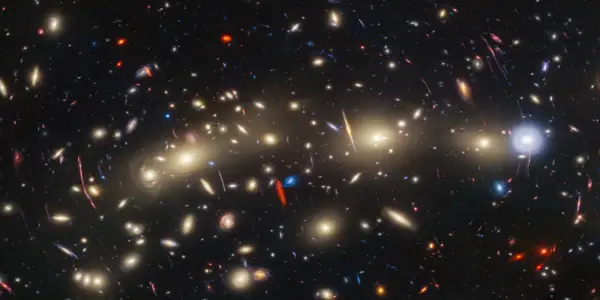
James Webb Space Telescope May Have Detected the...
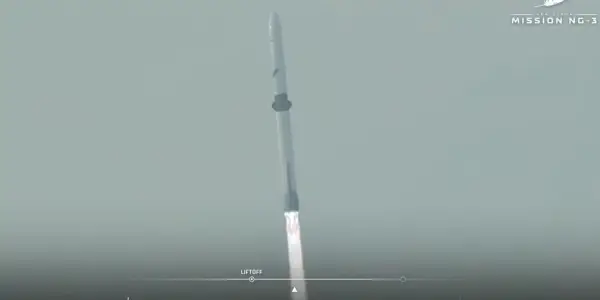
Blue Origin Faces Major Setback as New Glenn...

SpaceX Achieves 150th Falcon 9 Launch with...
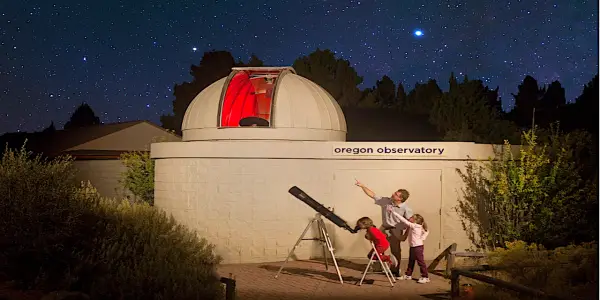
Exploring Oregon's Premier Public Telescope...
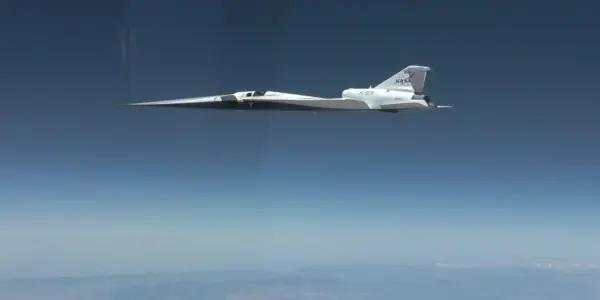
NASA's X-59 Achieves Historic Supersonic Flight
Unraveling the Mysteries of Mars: Recent...
Discovery of a Planet Formation Zone Beyond...

Samsung Unveils Unprecedented Black Friday Deal...
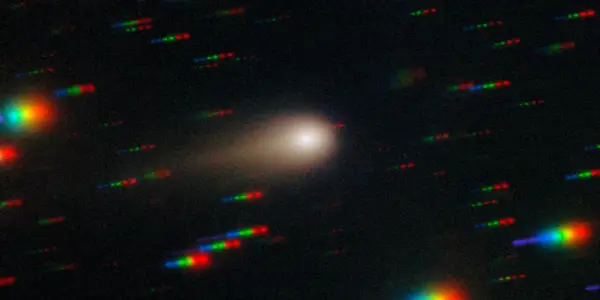
NASA's Campaign to Monitor Interstellar Comet...
Study Suggests the Universe's Expansion May Be...
New Mexico Startup Unveils Ambitious Plan to...
NASA and European Partners Prepare for...
NASA's ESCAPADE Probes Set for Unique Journey to...
Deep Fission Proposes Underground Nuclear...

Childcare Crisis: Families Struggle as...