Trump's Bold Foreign Policy Yields Progress in Gaza: Assessing Long-Term Viability
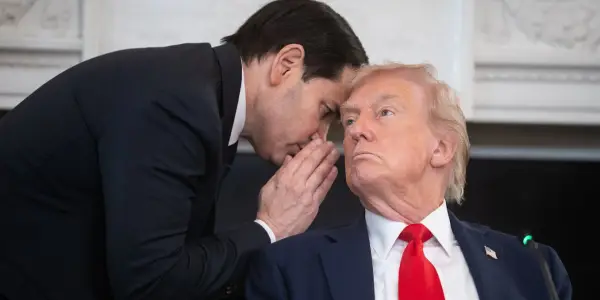
The recent ceasefire in Gaza marks a significant achievement for Trump's foreign policy, but the real challenge lies in navigating complex global tensions with China and Russia.
In-depth analysis
Background context
The recent Gaza ceasefire marks a significant moment in U.S. foreign policy under President Trump, contrasting with previous efforts like the Abraham Accords. This development reflects a shift towards rapid diplomatic engagement, raising concerns about the long-term viability of such approaches amidst geopolitical tensions with nations like China and Russia.
Key political implications
This ceasefire could redefine U.S. diplomatic leverage in the Middle East, potentially enhancing Trump's standing among voters who prioritize foreign policy achievements as he approaches the election.
Who gains / who loses
Israel stands to gain from the ceasefire, potentially solidifying its regional alliances, while Palestinian factions may see their leverage diminished if the peace process lacks clarity and commitment from the U.S. administration.
Possible future scenarios
If the ceasefire leads to sustained dialogue, it could pave the way for a broader peace initiative. Conversely, failure to establish a clear framework may exacerbate tensions and hinder future negotiations.
Did you know?
Why you should know this
The recent ceasefire in Gaza could reshape how diplomatic negotiations unfold in the future, affecting not just political leaders but also everyday citizens. For families in conflict zones, this represents a glimmer of hope for stability and peace, while for U.S. citizens, it may influence foreign aid and international relations that affect global markets and security.
Behind the political curtain
Interestingly, the 'Trump Doctrine' is not just about assertive diplomacy; it also leans heavily on personal relationships. Trump's rapport with world leaders, particularly Netanyahu, has been a crucial element in his approach, demonstrating that personal connections can significantly impact international negotiations.
Ordinary person in an extraordinary situation
Take the story of Layla, a 32-year-old teacher in Gaza, who has spent the last two years navigating the chaos of conflict. For her, the ceasefire is not just a political milestone; it’s a chance to return to normalcy. Layla reflects on her students, many of whom have only known life amidst turmoil. With schools closed and families displaced, she worries about the long-term impacts on their education and mental well-being. The ceasefire offers a brief respite, but Layla knows rebuilding will take much longer than the announcement of peace. She dreams of a day when her students can learn in a safe environment, free from fear and uncertainty, but she also understands that trust takes time to restore.
Expert Commentary

Ireland Moves Forward with Bill Targeting Israeli...

Nevada's Governor's Office Allegedly Intervened...
Trump Considers Tomahawk Missile Support for...
Canada's Carney to Meet Xi in China, Signaling a...

Colombia's ELN Rebels Intensify Military Drills...

The Rise of Technocracy in Modern Governance
Japan Reacts Strongly to China's Travel Advisory...
Zohran Mamdani Secures Victory in New York City...

Spain's Attorney General Convicted in...
Trump Addresses Nuclear Testing, Government...
Former Honduran President Hernández Convicted of...

US Passport Ranking Dips to Lowest Level in...
South Africa's G20 Presidency: A Mixed Legacy of...
Australia Seizes Opportunity in U.S.-China Rare...

Canada Decides Against Public Disclosure of Nazi...
German Chancellor Merz to Visit Israel for Key...
Jim Avila, Esteemed ABC News Correspondent, Dies...
New Yorkers Kick Off Early Voting for Mayoral...

U.S. Lawmakers Express Concerns Over Trump...
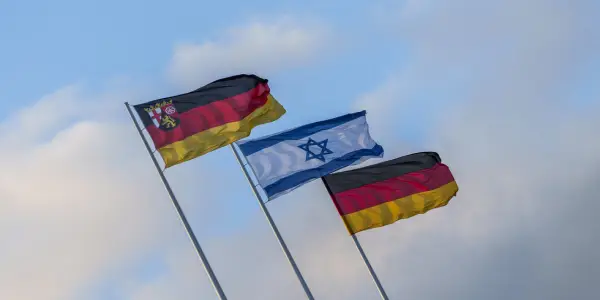
Germany Resumes Arms Exports to Israel Amid...
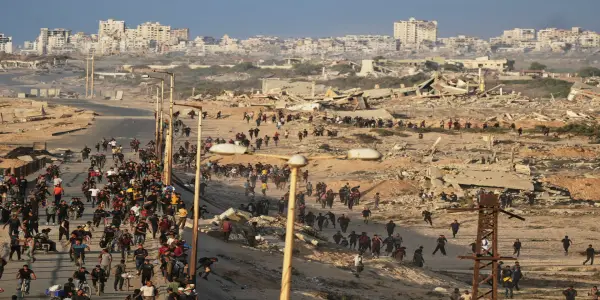
Trump's Influence Crucial for Sustaining Gaza...

EA Raises Concerns Over Sale to Saudi Arabia's...
U.S. Embassies Redefine Human Rights:...
US Tariffs Impact Nuevo Leon's Steel Sector,...
Trump's Bold Foreign Policy Yields Progress in...
Texas Governor Abbott Designates CAIR as a...
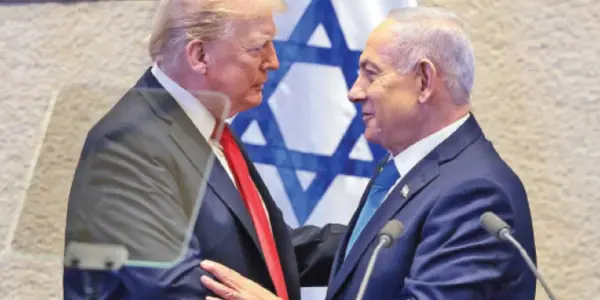
Is the U.S. Reassessing Its Stance on Israel...

Explosion at Tennessee Munitions Facility Leaves...
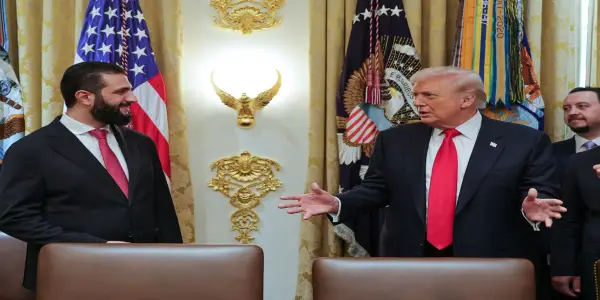
U.S. Extends Sanctions Relief as Syrian Leader...

The Foundation of Friendship: Understanding...

Armenian Deputy Foreign Minister Visits Israel...
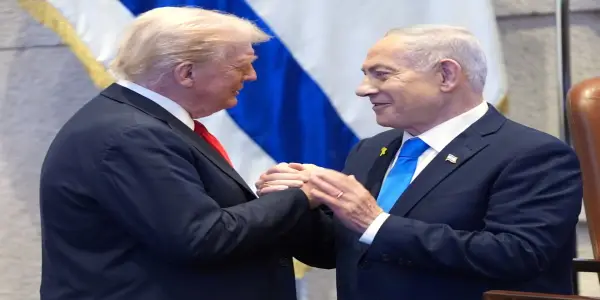
Global Community's Stance on Israel: A Complex...

Comet 3I/ATLAS Continues to Mystify Scientists...

Reddit Enhances App Performance with R8...

Isaac Asimov's Perspective on Star Trek: A Sci-Fi...
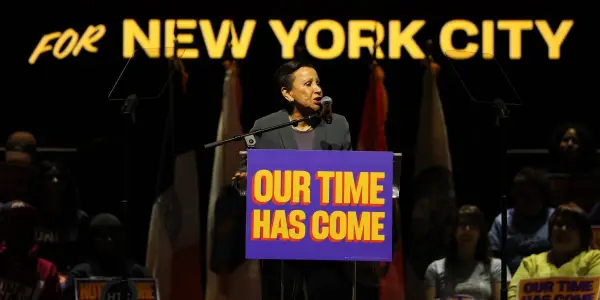
Nydia Velázquez Steps Down, Sparking Calls for...
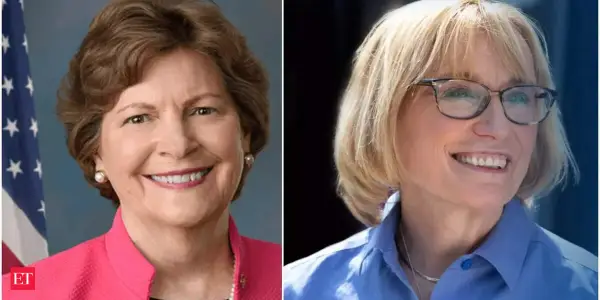
New England Senators Play Crucial Role in...
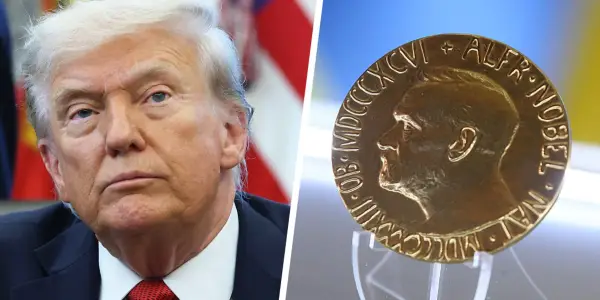
Assessing Trump's Nobel Peace Prize Worthiness...
The Israel-Hamas Ceasefire: A Critical Moment...

The 1969 Sino-Soviet Border Conflict: A Near Miss...