Trump's Influence Crucial for Sustaining Gaza Ceasefire Amid Political Tensions
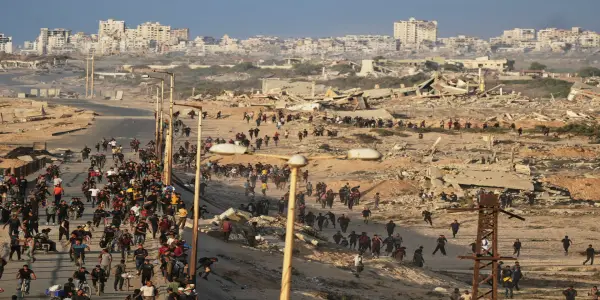
Trump's influence is seen as vital for maintaining the new Gaza ceasefire, as skepticism grows over its durability amid ongoing political tensions in the reg...
In-depth analysis
Background context
The recent ceasefire agreement in Gaza marks a critical moment in a long history of fragile truces in the region. Previous ceasefires have often been short-lived, with Israel frequently resuming military operations shortly after agreements. The current deal aims to facilitate the exchange of captives, yet skepticism surrounds its potential longevity amid complex political dynamics.
Key political implications
The ceasefire's success is intricately linked to U.S. involvement, particularly the influence of former President Trump. His role may be crucial in ensuring Israeli compliance and maintaining pressure on Netanyahu, whose political survival could jeopardize the agreement.
Who gains / who loses
If the ceasefire holds, Palestinian detainees may gain their freedom, while Israeli captives could also be released, fostering a sense of hope. However, failure to sustain the agreement could lead to renewed violence, further entrenching divisions and suffering for both communities.
Possible future scenarios
The future of the ceasefire may hinge on U.S. diplomatic efforts and Netanyahu's political calculations. Should the agreement falter, the region could see a resurgence of hostilities, but a successful implementation might pave the way for renewed dialogue on Palestinian statehood.
Did you know?
Why you should know this
The recent ceasefire agreement in Gaza could impact daily lives far beyond the region. If successful, it might alleviate humanitarian crises, allowing families to rebuild and access essential services. Conversely, if it collapses, the repercussions could mean renewed violence and instability, affecting global markets and international relations, thus influencing everything from gas prices to humanitarian aid funding.
Behind the political curtain
In a surprising twist, Netanyahu's government has historically used ceasefires as a political tool, often resuming military actions shortly after agreements are reached. In fact, over the last decade, only two ceasefires have lasted longer than a month, illustrating the challenge of achieving lasting peace in the region.
Ordinary person in an extraordinary situation
Consider Sarah, a teacher in Gaza, who has spent weeks teaching her students about peace and conflict resolution. With the new ceasefire, she felt a glimmer of hope for a future where her students can grow up without the fear of violence. Yet, as the news cycles through skepticism about the deal's sustainability, she worries for her students' futures, understanding that peace requires consistent effort and international support. Sarah's story reflects the resilience of ordinary people caught in extraordinary circumstances, highlighting that behind political negotiations lie the hopes and dreams of individuals seeking a peaceful existence.
Expert Commentary
Is the U.S. Reassessing Its Stance on Israel...

Colombia's ELN Rebels Intensify Military Drills...
Trump's Influence Crucial for Sustaining Gaza...

EA Raises Concerns Over Sale to Saudi Arabia's...

Assessing Trump's Nobel Peace Prize Worthiness...
Limited Expectations as Trump and Xi Approach...
U.S. Extends Sanctions Relief as Syrian Leader...
Saudi Crown Prince's Invitation to the White...
Trump Considers Tomahawk Missile Support for...
US Tariffs Impact Nuevo Leon's Steel Sector,...

Nevada's Governor's Office Allegedly Intervened...
Canada's Carney to Meet Xi in China, Signaling a...
Bangladesh's Upcoming Election: Key Political...

Inquiry Critiques Scottish Government's Covid-19...
Sanae Takaichi Elected as Leader of Japan's...

Ireland Moves Forward with Bill Targeting Israeli...
Jim Avila, Esteemed ABC News Correspondent, Dies...

The Evolving Landscape of Copyright Enforcement...
Trump Reverses Stance on Greenland After UK...
Putin Issues Warning Amidst Europe’s Military...
Syria's Foreign Minister Visits China to...
Texas Governor Abbott Designates CAIR as a...
Singapore and China Celebrate 35 Years of...

Lessons from Ulysses S. Grant on Civil-Military...

Isaac Asimov's Perspective on Star Trek: A Sci-Fi...
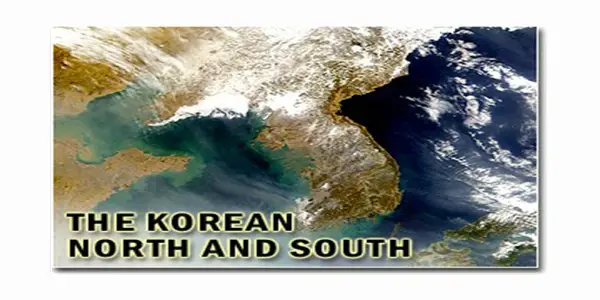
South Korea Initiates First Military Talks with...

Challenges Faced by Costumes in 'Mighty Morphin...
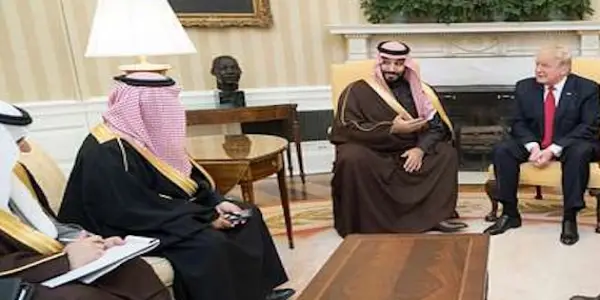
The Role of Palestinian Statehood in Advancing...
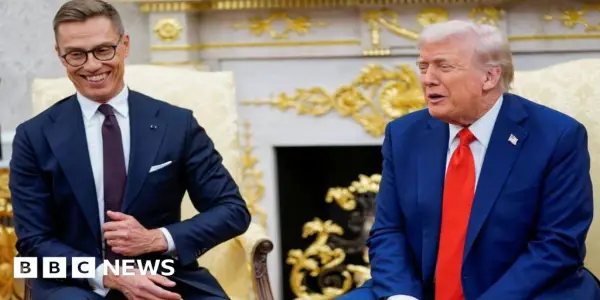
Trump and Finnish President Stubb Forge Strong...
Trump Announces Closure of Venezuelan Airspace...

Comet 3I/ATLAS Continues to Mystify Scientists...
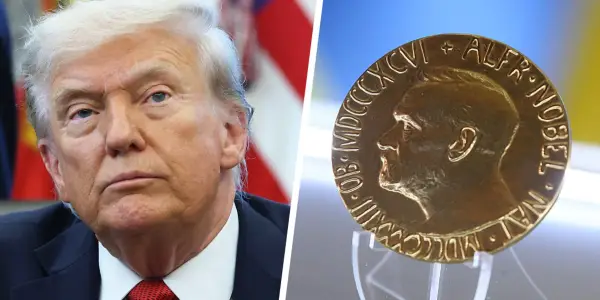
The Israel-Hamas Ceasefire: A Critical Moment...
Denmark's Prime Minister Advocates for Stricter...
South Korea Rebuilds Trust and Reassesses Foreign...
German Chancellor Merz to Visit Israel for Key...

Zohran Mamdani's Vision for Global Municipal...
Togo Navigates Diplomatic Balancing Act Amid...
Cuba Rejects U.S. Security Threat Claims Amid...

European Automakers Face New Chip Shortage as...
Trump's Bold Foreign Policy Yields Progress in...