Assessing Trump's Nobel Peace Prize Worthiness Through a Multicentric Lens
Explore the global debate on Donald Trump's potential Nobel Peace Prize nomination, examining the complexities of his foreign policy and evolving peace crite...
In-depth analysis
Background context
The ongoing discourse about Donald Trump's potential nomination for the Nobel Peace Prize highlights the evolving landscape of international diplomacy. Historically, the prize has recognized efforts that promote peace, dialogue, and cooperation, raising questions about how Trump's often unilateral and transactional foreign policy aligns with these foundational ideals.
Key political implications
Trump's nomination could reshape perceptions of U.S. foreign policy, challenging traditional norms around diplomatic achievements and complicating the Nobel Committee's role in evaluating contributions to global peace.
Who gains / who loses
Supporters of Trump may gain validation and influence if he is nominated, potentially bolstering his political capital. Conversely, critics argue that such a nomination could diminish the Nobel Prize's integrity, alienating those who value its historical commitment to meaningful peace efforts.
Possible future scenarios
Should Trump receive the nomination, it could spark further polarization in international relations, prompting debates on the legitimacy of diplomatic efforts. Alternatively, it may encourage a reevaluation of what constitutes significant contributions to peace in an increasingly complex geopolitical landscape.
Did you know?
Why you should know this
The debate over Trump's potential Nobel nomination reflects broader implications for global diplomacy and peace initiatives. As international relations become increasingly polarized, the criteria for significant contributions to peace are called into question. Understanding this discourse can help individuals navigate the complexities of political narratives and their impact on global stability, which ultimately affects economic and social conditions at home.
Behind the political curtain
In 1973, Henry Kissinger was awarded the Nobel Peace Prize for his role in negotiating a ceasefire in Vietnam, despite ongoing conflict and criticism of his approach. This historical precedent raises questions about the award's relevance in measuring true peace contributions, especially when controversial figures like Trump enter the conversation.
Ordinary person in an extraordinary situation
Consider Sarah, a high school teacher in a suburban community, who has seen her students' families affected by global conflicts. For her, the idea of Trump receiving a Nobel Prize feels disheartening. She believes that true peace requires understanding and compassion, not just political deals. The discussions around Trump's nomination have sparked conversations in her classroom about what peace truly means and who deserves recognition for it. Sarah feels a responsibility to instill in her students the importance of empathy and justice in international relations, hoping they will become advocates for genuine change in the future.
Expert Commentary
South Korea Initiates First Military Talks with...
Egypt Affirms Commercial Nature of Gas Agreement...
Limited Expectations as Trump and Xi Approach...
European Automakers Face New Chip Shortage as...
Khamenei Assassination: A Pivotal Shift in...
Italy's Meloni Engages with Qatar Emir on Energy...

Iraq's Parliamentary Elections: Key Insights...
Canada's Carney to Meet Xi in China, Signaling a...

Baden Bower Reduces Pitch-to-Publish Timeline by...
Colombia's ELN Rebels Intensify Military Drills...
Cuban Authorities Engage in Deadly Clash with...
Russian and Indian Foreign Ministers Convene...
Saudi Crown Prince Mohammed bin Salman Set for...
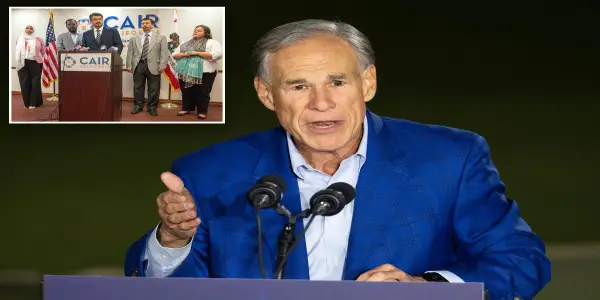
Texas Governor Abbott Designates CAIR as a...
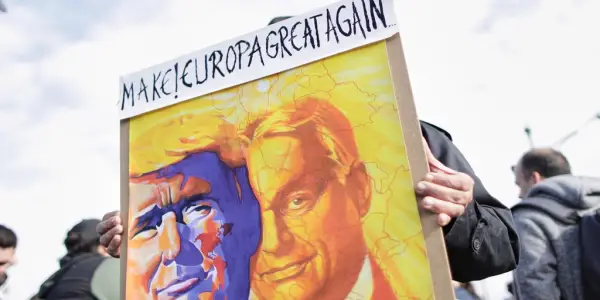
Hungarian Prime Minister Viktor Orban Engages...
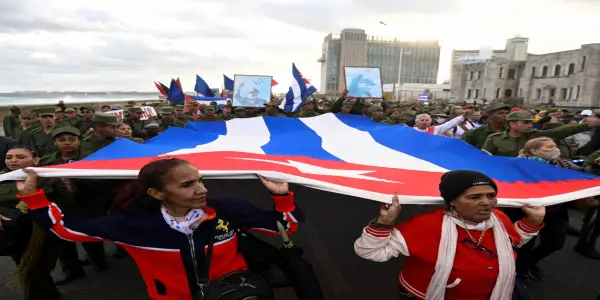
Cuba Rejects U.S. Security Threat Claims Amid...
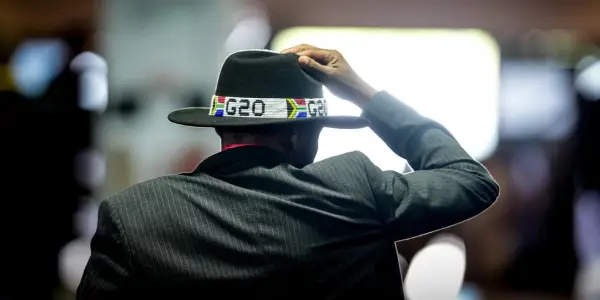
South Africa's G20 Presidency: A Mixed Legacy of...

The Evolving Landscape of Copyright Enforcement...
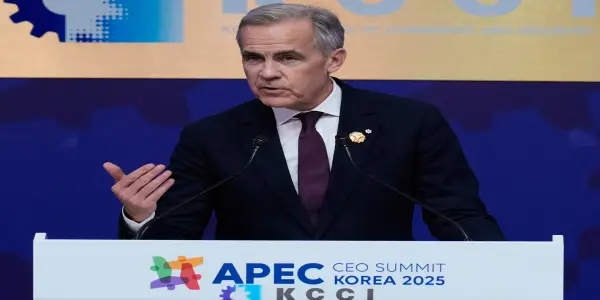
Canada and China Take Steps Toward Repairing...
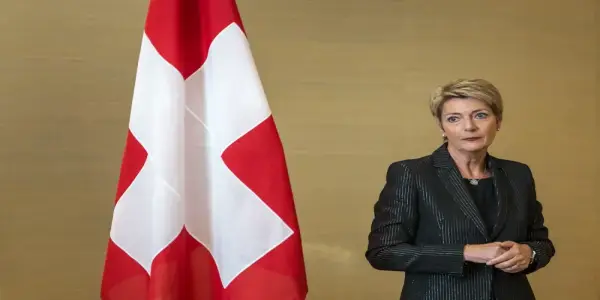
Switzerland Faces Economic Challenges Amid U.S....
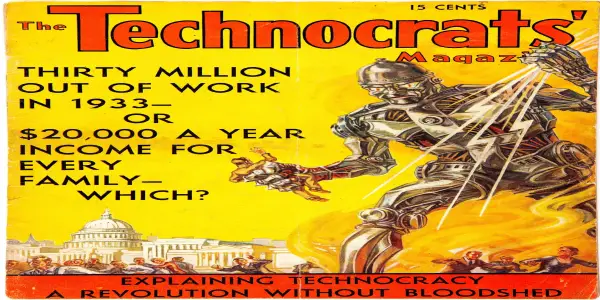
The Rise of Technocracy in Modern Governance
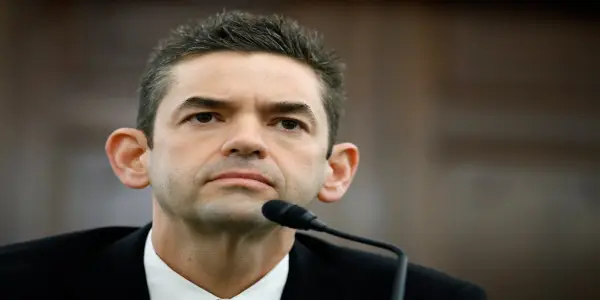
Jared Isaacman Renominated as NASA Administrator...

Reddit Enhances App Performance with R8...
Germany Resumes Arms Exports to Israel Amid...
U.S. Authorities Detain British Journalist Linked...

NASA Unveils Stunning Images of Interstellar...
Contradictory Signals from Trump and Rubio on...
New England Senators Play Crucial Role in...
Sias University Adapts to Modern Educational...
Lessons from Ulysses S. Grant on Civil-Military...
Geopolitical Tensions Surround Palau Amid...
German Chancellor Merz to Visit Israel for Key...
UK Finalizes £8 Billion Typhoon Fighter Jet...
The Legacy of French Colonialism: Language and...

The Fate of the Maquis in Star Trek: A Missed...

Apple Achieves Unprecedented Financial Success in...
Tarique Rahman's Homecoming: A Potential Turning...

Bhutan's Complex Relationship with India: A...
The 1969 Sino-Soviet Border Conflict: A Near Miss...
Saudi Crown Prince's Invitation to the White...