Taliban Dismiss Trump's Proposal for Bagram Air Base Reoccupation
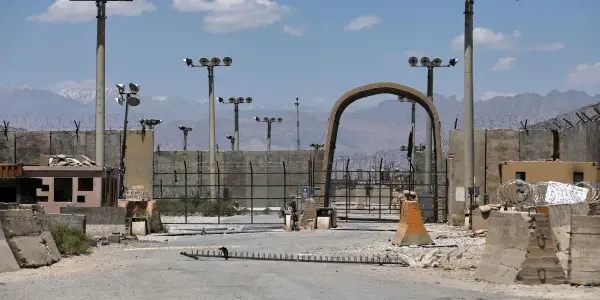
The Taliban firmly rejects Donald Trump's proposal for the U.S. to regain control of Bagram Air Base, emphasizing Afghanistan's sovereignty and independence.
In-depth analysis
Background context
The Taliban's control over Bagram Air Base symbolizes their consolidation of power following the U.S. withdrawal from Afghanistan in August 2021. Former President Trump’s recent remarks urging the U.S. to reclaim the base highlight the ongoing tensions surrounding Afghanistan's sovereignty and the complexities of the U.S.-Taliban relationship that continues to evolve.
Key political implications
Trump's comments may exacerbate existing tensions between the Taliban and the U.S., complicating any potential diplomatic engagement. The Taliban's firm rejection signals a commitment to their sovereignty, potentially stalling negotiations for international recognition.
Who gains / who loses
The Taliban stands to reinforce its authority and legitimacy by rejecting external calls for intervention, appealing to nationalist sentiments. Conversely, the U.S. risks further alienating the Taliban, hindering any possibility of constructive dialogue or influence over Afghanistan's future.
Possible future scenarios
Future interactions between the U.S. and the Taliban may remain strained, with limited diplomatic progress. Alternatively, if both sides manage to find common ground, there could be opportunities for dialogue, albeit in a highly cautious and conditional manner.
Did you know?
Why you should know this
Understanding the Taliban's firm rejection of U.S. control over Bagram Air Base highlights the complexities of Afghanistan's current political landscape. This isn't just a geopolitical issue; it affects global security, international relations, and the lives of everyday Afghans. With the Taliban asserting their sovereignty, the potential for renewed conflict or diplomatic engagement could directly impact Afghan citizens, who are navigating economic hardships and social instability.
Behind the political curtain
The Doha Agreement that facilitated the U.S. withdrawal from Afghanistan included a promise by the U.S. not to threaten Afghanistan's territorial integrity. This commitment, often overlooked, underscores the legal and diplomatic frameworks that both the Taliban and the U.S. are navigating in their interactions.
Ordinary person in an extraordinary situation
Consider Amina, a 30-year-old teacher in Kabul. Since the Taliban regained control, her life has been turned upside down. Amina once thrived in her role, empowering young girls through education. Now, she faces uncertainty as the government restricts women's rights. The discussion surrounding Bagram Air Base is more than a political chess match; it directly affects Amina's hopes for the future. As the Taliban's sovereignty claims grow louder, she worries about the implications for her students and their access to education. For Amina, each political statement resonates deeply, shaping her everyday reality in a country still reeling from decades of conflict.
Expert Commentary

Trump Appoints Special Envoy to Greenland,...
Javier Milei's Victory Signals a Shift in...
New England Senators Play Crucial Role in...
Israel Seeks Diplomatic Renewal with Bolivia...
Khamenei Assassination: A Pivotal Shift in...

Japan Protests China's Travel Advisory Amid...
U.S. Embassies Redefine Human Rights:...

US-South Korea Agreement to Develop...
Italy's PM Meloni Responds Firmly to Trump's...
Denmark's Prime Minister Advocates for Stricter...

Nevada's Governor's Office Allegedly Intervened...
New Yorkers Kick Off Early Voting for Mayoral...

New Advocacy Report Urges Action Against Child...
Egypt Affirms Commercial Nature of Gas Agreement...
Japan Reacts Strongly to China's Travel Advisory...

Ireland Moves Forward with Bill Targeting Israeli...
Mamdani Emerges Victorious in NYC Mayoral Race...

Revitalizing Relations: The Future of the...

European Automakers Face New Chip Shortage as...

Geopolitical Tensions Surround Palau Amid...
Syria's Foreign Minister Visits China to...
Contradictory Signals from Trump and Rubio on...

Apple Achieves Unprecedented Financial Success in...
Tarique Rahman's Homecoming: A Potential Turning...
Canada Decides Against Public Disclosure of Nazi...
Mark Carney Discusses Political Transition During...
The Impact of Trump's Second Year: A Year of...

Cuban Authorities Engage in Deadly Clash with...

Algeria Grants Pardon to Jailed Novelist Boualem...
Zohran Mamdani Secures Victory in New York City...
Texas Governor Abbott Designates CAIR as a...
US Tariffs Impact Nuevo Leon's Steel Sector,...
Saudi Crown Prince's Invitation to the White...
Bangladesh's International Crimes Tribunal...

Bhutan's Complex Relationship with India: A...
South Korea Initiates First Military Talks with...

Reddit Enhances App Performance with R8...
Zohran Mamdani's Vision for Global Municipal...
Italy's Meloni Engages with Qatar Emir on Energy...