New Findings from Mars Rover Spark Interest in Potential Biosignatures
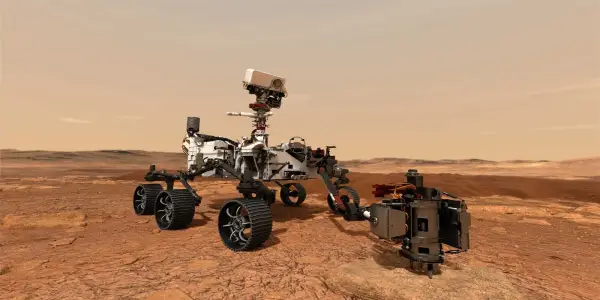
The Perseverance rover's discovery of potential biosignatures in Mars' Jezero Crater reignites interest in extraterrestrial life and complex geological histo...
In-depth analysis
New discoveries
The Perseverance rover has identified a potential biosignature on a sedimentary rock in Jezero Crater, specifically on a formation dubbed 'Cheyava Falls.' This intriguing discovery, characterized by unusual light spots surrounded by darker regions, hints at a complex geological history, potentially indicating past environmental conditions that may have supported life.
Mission updates
Perseverance has successfully collected and stored samples from Cheyava Falls, marking a significant milestone in its exploration efforts. These samples are intended for a future mission aimed at returning them to Earth for detailed analysis.
Who is affected
The findings from Perseverance's exploration impact the global scientific community, particularly researchers focused on astrobiology and planetary science. The potential for discovering signs of life on Mars could reshape our understanding of life's existence beyond Earth and influence future missions to the planet.
Next steps
The next phase involves analyzing the collected samples in Earth-based laboratories, which could yield critical insights into Mars' history. Additionally, NASA is exploring partnerships with private aerospace companies to address budgetary constraints for the Mars Sample Return mission.
Did you know?
Why we should care
The discovery of potential biosignatures on Mars could reshape our understanding of life's existence beyond Earth. For everyday people, this means the possibility of unraveling the origins of life itself, influencing fields from medicine to environmental science. If proven true, it could lead to breakthroughs in our approach to life-sustaining conditions on other planets, igniting interest in space exploration and its benefits for humanity.
The universe's unsolved mystery
The intriguing formations on Cheyava Falls challenge our comprehension of life's adaptability. If these 'leopard spots' indicate past life, what other secrets does Mars hold? Beyond our solar system, the quest for biosignatures continues, driving technological advancements and philosophical inquiries about our place in the universe. Each discovery deepens the mystery of existence and the potential for life in the cosmos.
The person who looks at the stars
Dr. Maya Thompson, an astrobiologist, gazes at the night sky with a sense of wonder and determination. As a child, her fascination with space was sparked by a documentary on Mars. Now, she leads research teams analyzing samples from Perseverance, hoping to find evidence of life. For Maya, each discovery represents not just scientific progress but a personal journey—one that connects her childhood dreams to a profound mission. The whispers of ancient Martian rivers fuel her passion, as she imagines the stories those rocks could tell. With every finding, she envisions a future where humanity understands its cosmic neighbors, seeking not only answers but the possibility of connection across the universe.
Expert Commentary
Top Black Friday Smartwatch Deals Worth...

Satellite Imagery Highlights Hurricane Damage...

Unistellar eQuinox 2 Smart Telescope Sees...
Exploring Oregon's Premier Public Telescope...
Study Suggests the Universe's Expansion May Be...
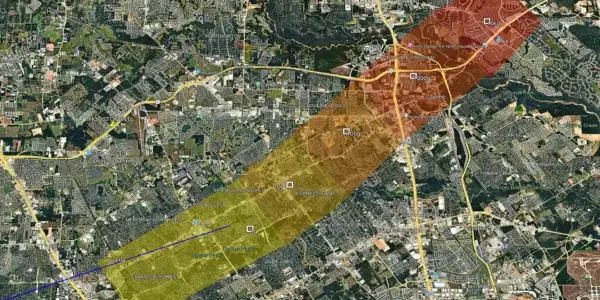
Meteorite Fragment May Have Impacted Houston Home
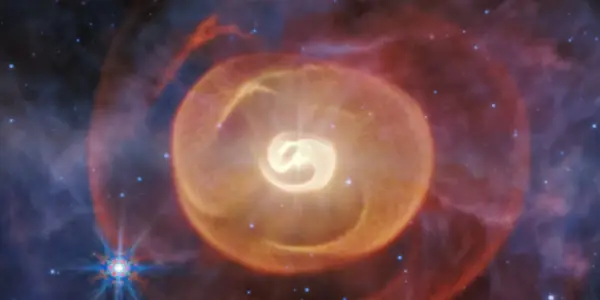
Webb Telescope Reveals Unprecedented Cosmic...
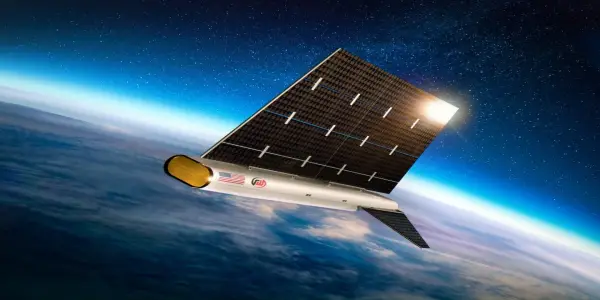
SabreSat: An Innovative Air-Breathing Satellite...

James Webb Space Telescope May Have Detected the...
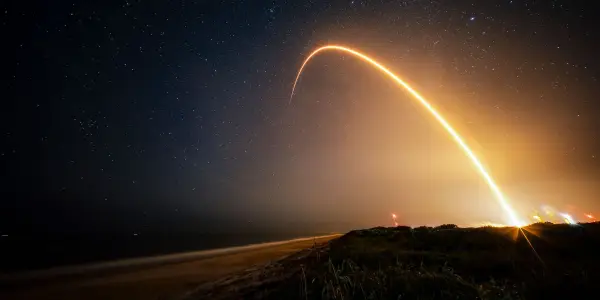
SpaceX Achieves 150th Falcon 9 Launch with...
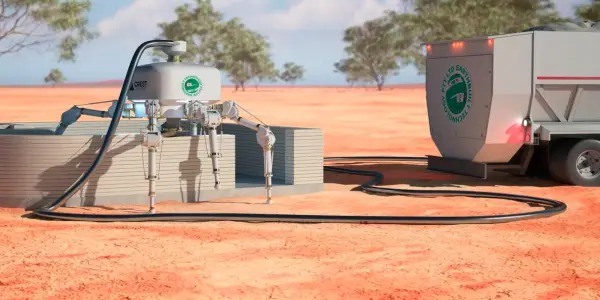
Charlotte: The Lunar 3D Printer Poised to...

Samsung Unveils Unprecedented Black Friday Deal...
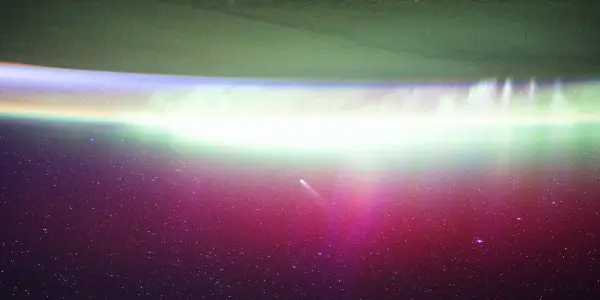
Astronauts aboard the ISS Capture Stunning Images...
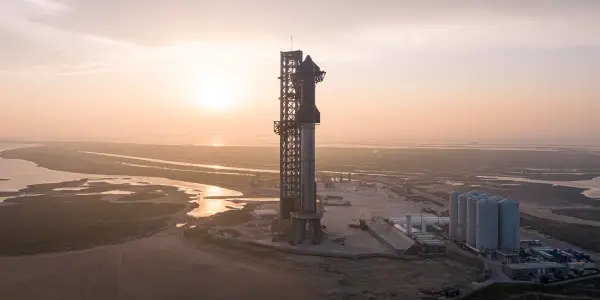
NASA's Artemis 3 Moon Mission Delayed to 2028 Due...
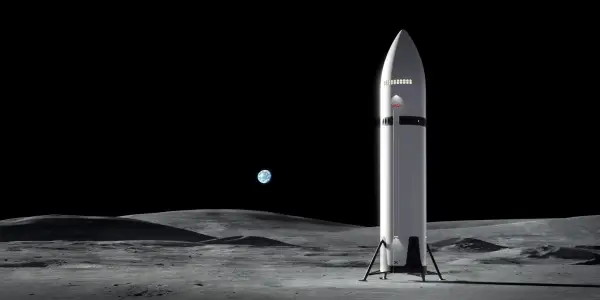
NASA Considers Reopening Bidding for Artemis 3...
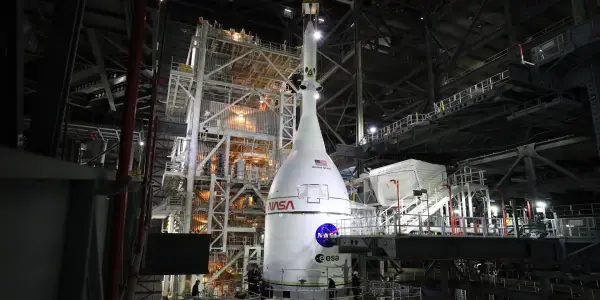
NASA Advances Artemis 2 Mission with Orion...

This Week In Space Podcast: Episode 187 Explores...

China's Mars Orbiter Captures Image of...
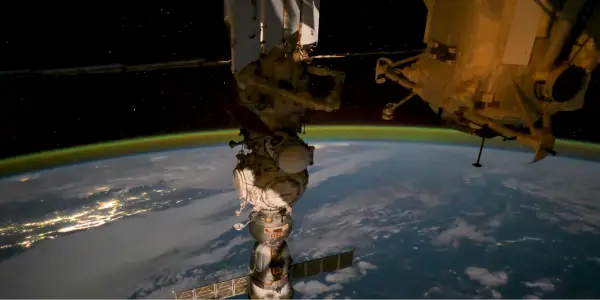
ISS Crew Takes Precautions Against Radiation...
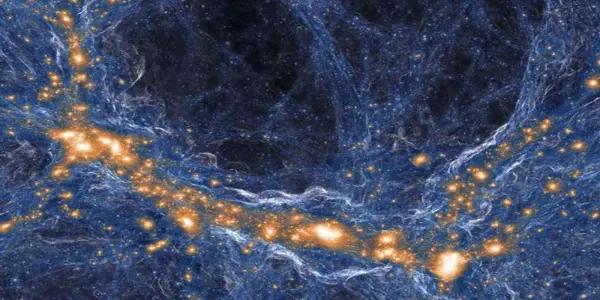
Exploring the Composition of Cosmic Voids
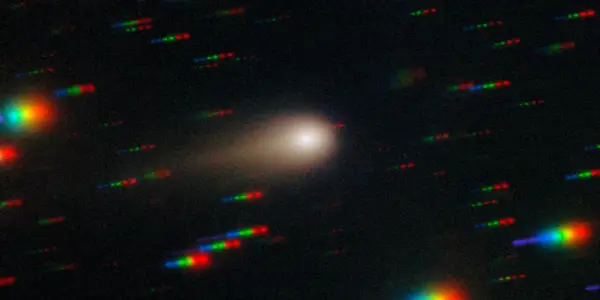
NASA's Campaign to Monitor Interstellar Comet...
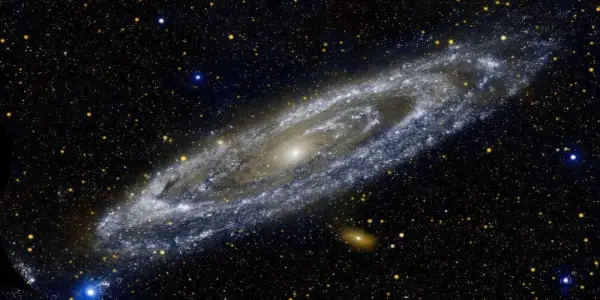
Andromeda Galaxy's Impact on Its Satellite...
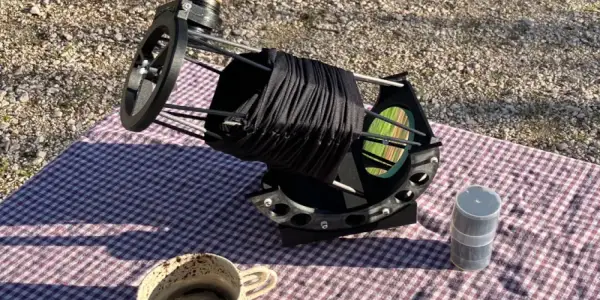
Innovative Portable Reflecting Telescope...
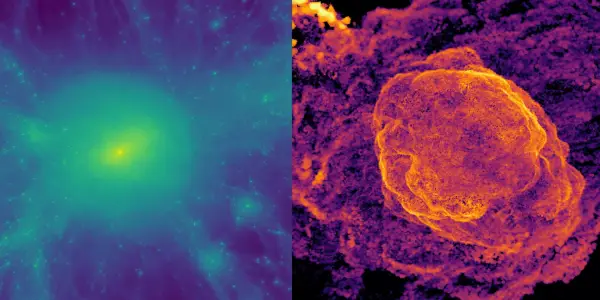
New Simulations Shed Light on the Enigmatic...

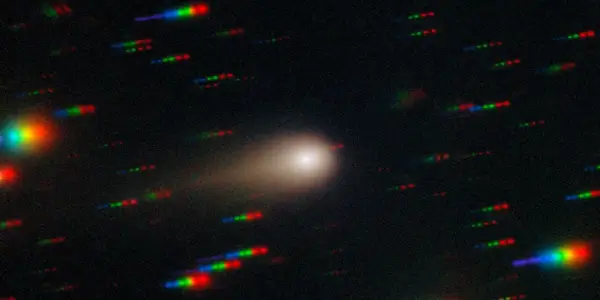
Interstellar Comet 3I/ATLAS Approaches...

Daily Roundup: November 10, 2025 – Advancements...

Lenovo's Legion Tab Gen 3 Sees Significant Black...
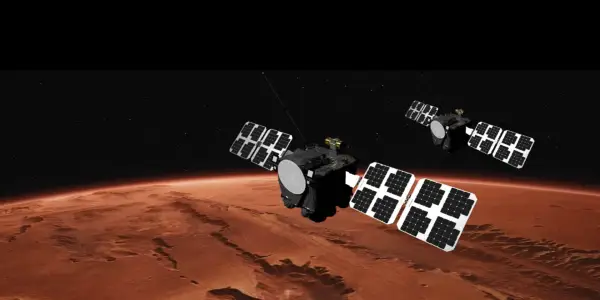
NASA's ESCAPADE Probes Set for Unique Journey to...
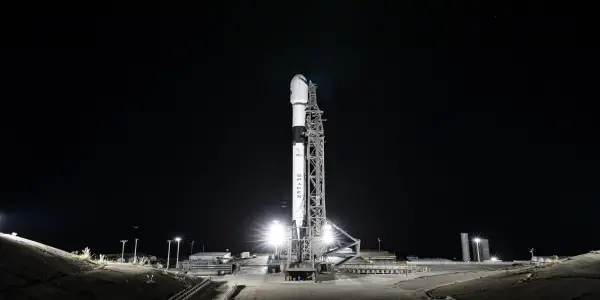
NASA and European Partners Prepare for...
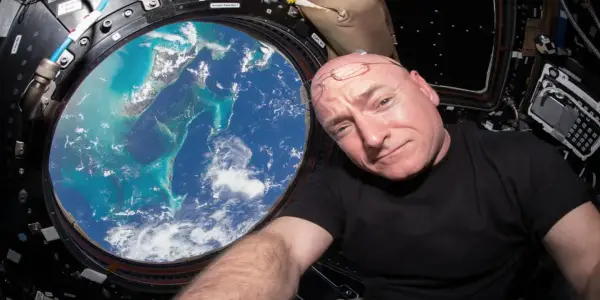
Italian Producer Plans Historic Film to Shoot in...
Congress Questions NASA's Facility Closures Amid...

Samsung's Galaxy S26 Ultra Set for Significant...
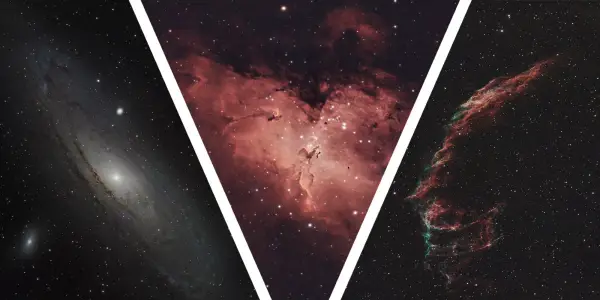
The Dwarf III Smart Telescope: A Compact Marvel...
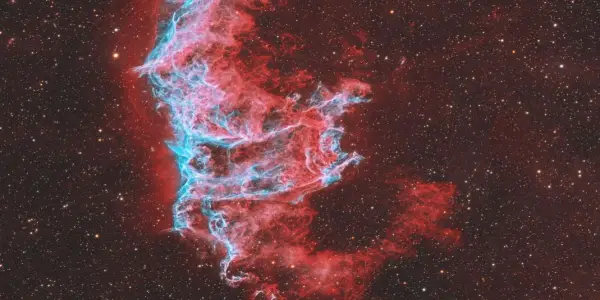
Astrophotographer Captures Stunning Image of...
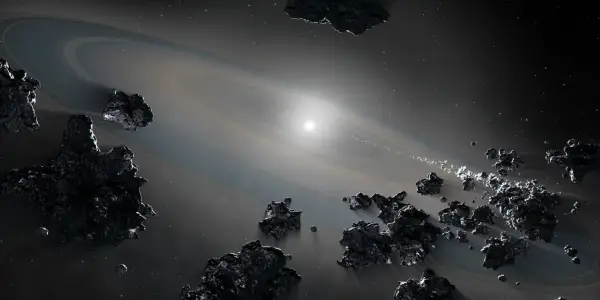
Astronomers Discover Ancient White Dwarf Actively...
Russian Cosmonauts Conduct Extended Spacewalk to...
NASA's Ambitious Timeline for Human Exploration...

X-Men Return to Education in Upcoming Comic...