Growing Anti-U.S. Sentiment Highlighted at Shanghai Cooperation Organization Summit
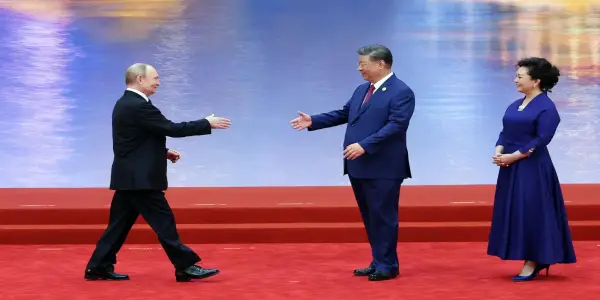
The recent Shanghai Cooperation Organization summit saw China and Russia promoting a narrative critical of U.S. influence, raising concerns about geopolitical tensions and economic implications.
In-depth analysis
Background context
The Shanghai Cooperation Organization (SCO), formed in 2001, has evolved from a security-focused alliance to a significant geopolitical entity incorporating major nations like India, Pakistan, and Iran. The recent summit in Tianjin showcased a collective push against U.S. influence, highlighting the growing collaboration between China and Russia amid rising global tensions.
Key political implications
The summit signals a strategic realignment among SCO members, emphasizing a united stance against Western policies. This shift could fundamentally alter the dynamics of international relations and challenge U.S. hegemony in the region.
Who gains / who loses
China and Russia stand to gain from a strengthened SCO alliance, enhancing their geopolitical influence and economic partnerships. Conversely, the U.S. risks losing its traditional dominance and facing increased isolation as member states rally against its policies.
Possible future scenarios
If the SCO continues to strengthen, it may lead to heightened tensions between member states and the U.S., potentially resulting in a more fragmented global order. Alternatively, increased cooperation could foster stability in the region if diplomatic channels are prioritized.
Did you know?
Why you should know this
The recent SCO summit signals a pivotal moment in global politics, as member nations—including China, India, and Russia—unite against U.S. influence. This shift could directly impact international trade, cybersecurity, and regional security dynamics that affect everyday life, from the prices of goods to national security policies. Understanding these changes helps individuals grasp how global alliances shape local realities.
Behind the political curtain
The SCO's transformation from the Shanghai Five to a broad alliance now includes nations like Iran and India, reflecting significant geopolitical shifts. Interestingly, while the group focuses on security and economic cooperation, it has also become a platform for its members to voice dissent against Western policies, a dynamic that is often overlooked.
Ordinary person in an extraordinary situation
Imagine Aisha, a small business owner in New Delhi, who relies on imports for her textile shop. As the SCO strengthens ties among its members, Aisha feels the pinch of fluctuating tariffs and trade restrictions. The rising tensions between major powers can lead to higher costs for her materials, ultimately affecting her pricing and customer base. Aisha's story highlights how distant political decisions ripple through local economies, altering the landscape for everyday entrepreneurs. For her, understanding these global dynamics isn't just about politics; it's about survival in a competitive market.
Expert Commentary

Japan and Finland in Diplomatic Tension Following...

Zohran Mamdani Secures Victory in New York City...

Lessons from Ulysses S. Grant on Civil-Military...
UK Finalizes £8 Billion Typhoon Fighter Jet...

Reddit Enhances App Performance with R8...

Apple Achieves Unprecedented Financial Success in...
U.S. Extends Sanctions Relief as Syrian Leader...
US Tariffs Impact Nuevo Leon's Steel Sector,...
Iraq's Parliamentary Elections: Key Insights...
Political Reactions to BBC Leadership Changes...
Japan Protests China's Travel Advisory Amid...
China's Shift to a Cautious Research Strategy...
Contradictory Signals from Trump and Rubio on...
Jim Avila, Esteemed ABC News Correspondent, Dies...

WWE Raw Recap: Titles Change Hands in Thrilling...
Kenya Urges Protection for Citizens Amid...

Hungarian Prime Minister Viktor Orban Engages...
Texas Governor Abbott Designates CAIR as a...

Tarique Rahman's Homecoming: A Potential Turning...
Japan Reacts Strongly to China's Travel Advisory...
Germany Resumes Arms Exports to Israel Amid...

Ireland Moves Forward with Bill Targeting Israeli...

Algeria Grants Pardon to Jailed Novelist Boualem...
U.S. Embassies Redefine Human Rights:...

Bhutan's Complex Relationship with India: A...

Isaac Asimov's Perspective on Star Trek: A Sci-Fi...

New Yorkers Kick Off Early Voting for Mayoral...

Jetpack Navigation 3 Achieves Stability for...
Democrats Celebrate Recent Wins Amidst Internal...

Mark Carney Discusses Political Transition During...

Trump Appoints Special Envoy to Greenland,...

Saudi Crown Prince Mohammed bin Salman Set for...
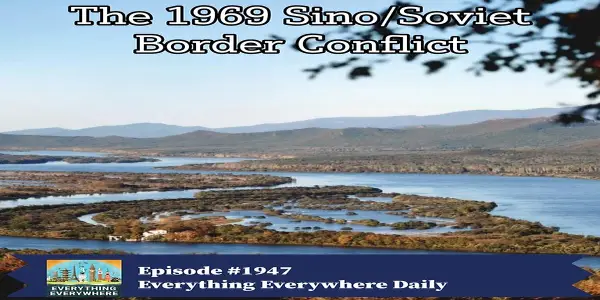
The 1969 Sino-Soviet Border Conflict: A Near Miss...
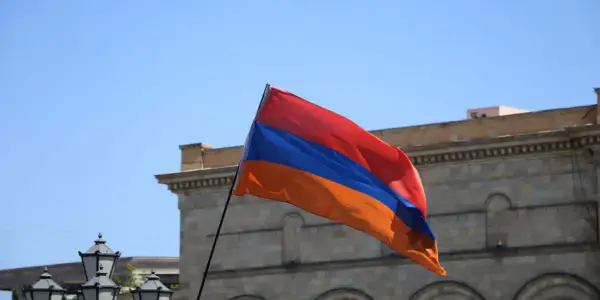
Armenian Deputy Foreign Minister Visits Israel...

Comet 3I/ATLAS Continues to Mystify Scientists...

Spain's Attorney General Convicted in...
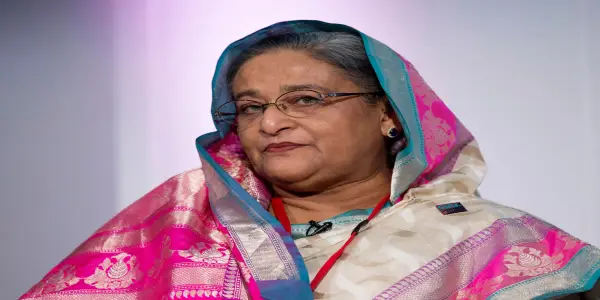
Bangladesh Seeks India's Assistance in...
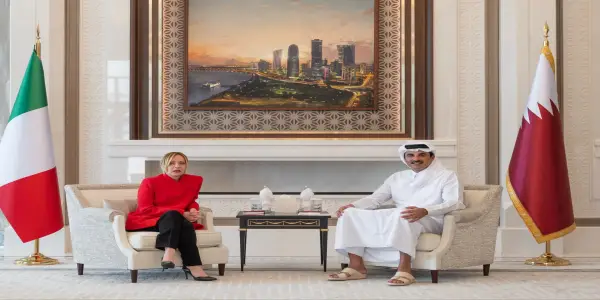
Italy's Meloni Engages with Qatar Emir on Energy...

The Fate of the Maquis in Star Trek: A Missed...
Denmark's Prime Minister Advocates for Stricter...