Trump Moves to Classify Certain Muslim Brotherhood Chapters as Terrorist Organizations
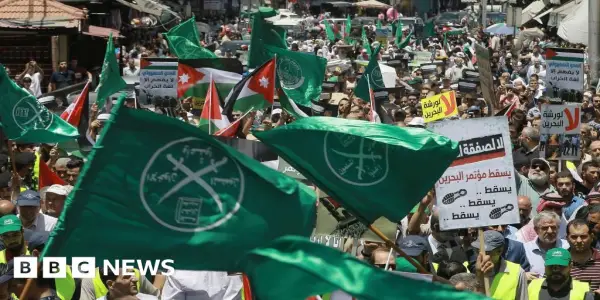
President Trump proposes an executive order to designate specific Muslim Brotherhood chapters as terrorist organizations, targeting groups in Lebanon and Jor...
In-depth analysis
Background context
The Muslim Brotherhood, founded in Egypt nearly a century ago, has faced scrutiny for its alleged ties to Hamas and activities perceived as undermining regional stability. This organization has been banned in several countries, including Jordan, where members have been arrested for suspected planning of attacks.
Key political implications
The proposed executive order signals a significant tightening of U.S. foreign policy, potentially leading to increased sanctions and restrictions on the Muslim Brotherhood and its affiliates.
Who gains / who loses
If implemented, the executive order could benefit U.S. officials advocating for a tougher stance on terrorism, while potentially alienating moderate Muslim communities and advocacy groups like CAIR, which may face increased scrutiny and restrictions.
Possible future scenarios
The executive order may lead to heightened tensions in U.S.-Middle East relations, particularly with nations where the Brotherhood is active, and could prompt retaliatory measures or increased unrest in affected regions.
Did you know?
Why you should know this
This executive order could have direct effects on the lives of American Muslims and U.S. diplomatic relations in the Middle East. By designating specific chapters of the Muslim Brotherhood as terrorist organizations, individuals associated with these groups may face economic sanctions and travel restrictions, leading to heightened tensions and fear within communities. Understanding these actions helps illuminate the broader geopolitical climate that shapes domestic policies and personal liberties.
Behind the political curtain
Surprisingly, the Muslim Brotherhood was initially supported by several Western governments in the early 20th century as a counterbalance to communism. Over time, perceptions shifted dramatically, illustrating the complexities of foreign alliances and the evolving nature of terrorism classifications.
Ordinary person in an extraordinary situation
Consider Sarah, a 32-year-old community organizer in Houston, who has dedicated her life to fostering dialogue among diverse cultures. With the looming threat of economic sanctions against organizations like the Council on American-Islamic Relations, she fears for her ability to advocate effectively for her community. Sarah's work often involves collaborating with local leaders to address issues of discrimination and civil rights, and now she worries that these new designations could stifle vital conversations and reinforce harmful stereotypes. The emotional toll of navigating this uncertain landscape weighs heavily on her, as she contemplates the potential isolation it could impose on her community, shifting from a space of dialogue to one of division.
Tarique Rahman's Homecoming: A Potential Turning...
Japan Protests China's Travel Advisory Amid...
Saudi Crown Prince Mohammed bin Salman Set for...
Six Finalists Announced for the 2026...
UK Finalizes £8 Billion Typhoon Fighter Jet...
Zohran Mamdani Secures Victory in New York City...

NASA Unveils Stunning Images of Interstellar...
Algeria Grants Pardon to Jailed Novelist Boualem...

The Foundation of Friendship: Understanding...
Analyzing Trump's Latin America Strategy Amid...
South Korea Initiates First Military Talks with...
The Rise of Technocracy in Modern Governance

Nevada's Governor's Office Allegedly Intervened...
Switzerland Faces Economic Challenges Amid U.S....
China's Shift to a Cautious Research Strategy...
Khamenei Assassination: A Pivotal Shift in...

Spain's Attorney General Convicted in...

Comet 3I/ATLAS Continues to Mystify Scientists...
Sanae Takaichi: Japan's First Female Prime...

Mamdani Emerges Victorious in NYC Mayoral Race...

U.S. Lawmakers Express Concerns Over Trump...
Hungarian Prime Minister Viktor Orban Engages...

Reddit Enhances App Performance with R8...

New Advocacy Report Urges Action Against Child...

Ireland Moves Forward with Bill Targeting Israeli...
Inquiry Critiques Scottish Government's Covid-19...

Japan and Finland in Diplomatic Tension Following...
Misjudgments in Military Strategy: The Lessons...
Kenya Urges Protection for Citizens Amid...
U.S. Embassies Redefine Human Rights:...

Miss Universe Cayman Islands Advocates for Global...
NFL Players Union Faces Grievance Over Annual...
Russian and Indian Foreign Ministers Convene...
Jim Avila, Esteemed ABC News Correspondent, Dies...

Jared Isaacman Renominated as NASA Administrator...
Canada's Carney to Meet Xi in China, Signaling a...
Trump Appoints Special Envoy to Greenland,...
Syria's Foreign Minister Visits China to...
US Tariffs Impact Nuevo Leon's Steel Sector,...
The Impact of Trump's Second Year: A Year of...