Tariff Tensions: The Impact on India-U.S. Relations
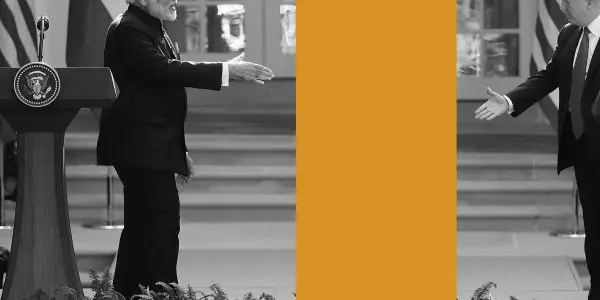
The imposition of tariffs by the Trump administration has strained the historically significant partnership between the United States and India, as noted by Vaibhav Vats.
In-depth analysis
Background context
The U.S.-India relationship has evolved significantly since the early 21st century, driven by shared democratic values and economic collaboration. This partnership, which has seen bilateral trade soar to about $150 billion annually, is now threatened by the Trump administration's recent imposition of tariffs, disrupting a previously stable alliance.
Key political implications
The tariffs signal a shift in U.S. foreign policy that could alienate India, a crucial ally in countering regional adversaries. This development raises questions about the future of U.S. influence in South Asia.
Who gains / who loses
While the Trump administration may perceive gains in addressing trade imbalances, India stands to lose significantly from the tariffs, particularly in its economic growth and strategic positioning against China. Both nations face potential diplomatic fallout.
Possible future scenarios
As tensions escalate, India may pursue greater strategic autonomy, potentially deepening ties with other global powers. Conversely, the U.S. could reassess its approach to maintain influence in South Asia amidst shifting alliances.
Did you know?
Why you should know this
The imposition of tariffs by the Trump administration on India is more than just a trade issue; it threatens the delicate balance of geopolitical alliances. For everyday Americans, this could mean fluctuations in prices for goods imported from India, potentially affecting everything from electronics to textiles. Understanding this shift helps grasp how international policies can directly impact local economies and consumer choices.
Behind the political curtain
Surprisingly, the U.S. and India have a history of contentious trade relations dating back to the early 2000s. During this time, India attempted to establish itself as a global player while the U.S. was focused on counterterrorism, leading to a complex relationship that oscillated between cooperation and conflict.
Ordinary person in an extraordinary situation
Rajesh Patel, a small business owner in New Jersey, imports handmade textiles from India. Since the tariff announcement, he's faced rising costs that threaten his ability to keep prices stable for his customers. Rajesh recalls his first trip to India, where he saw the craftsmanship firsthand and formed bonds with artisans. Now, he worries not just for his business but for the livelihoods of those artisans who depend on exports. This situation exemplifies how macroeconomic decisions can ripple through personal lives, altering not just profits but the very fabric of cultural exchange and community support.
Expert Commentary
US Tariffs Impact Nuevo Leon's Steel Sector,...
Zohran Mamdani Secures Victory in New York City...
Italy's PM Meloni Responds Firmly to Trump's...
China's Shift to a Cautious Research Strategy...

Canada Decides Against Public Disclosure of Nazi...

AfD Leader Raises Concerns Over Potential Threats...
Canada's Carney to Meet Xi in China, Signaling a...

New Advocacy Report Urges Action Against Child...

Exploring Intimacy and Isolation in Claire-Louise...

Mamdani Emerges Victorious in NYC Mayoral Race...
Examining Trump's Claims of Resolving Conflicts:...
Tarique Rahman's Homecoming: A Potential Turning...

NASA Unveils Stunning Images of Interstellar...

Comet 3I/ATLAS Continues to Mystify Scientists...
Saudi Crown Prince's Invitation to the White...
Bangladesh's Upcoming Election: Key Political...
The Rise of Technocracy in Modern Governance
Syria's Foreign Minister Visits China to...
Inquiry Critiques Scottish Government's Covid-19...
Revitalizing Relations: The Future of the...
Cuban Authorities Engage in Deadly Clash with...
Kenya Urges Protection for Citizens Amid...

Algeria Grants Pardon to Jailed Novelist Boualem...
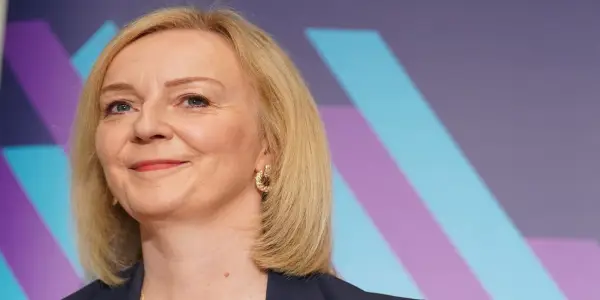
Political Reactions to BBC Leadership Changes...

Jetpack Navigation 3 Achieves Stability for...
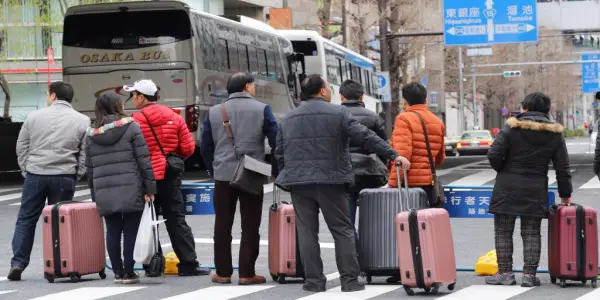
Japan Protests China's Travel Advisory Amid...
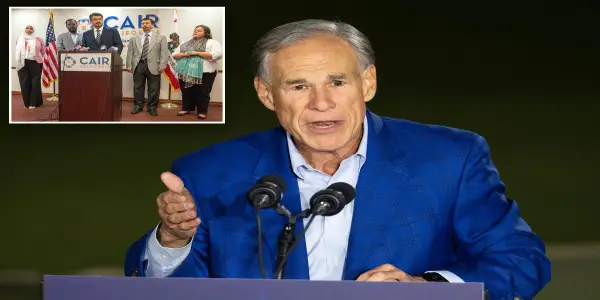
Texas Governor Abbott Designates CAIR as a...

U.S. Authorities Detain British Journalist Linked...
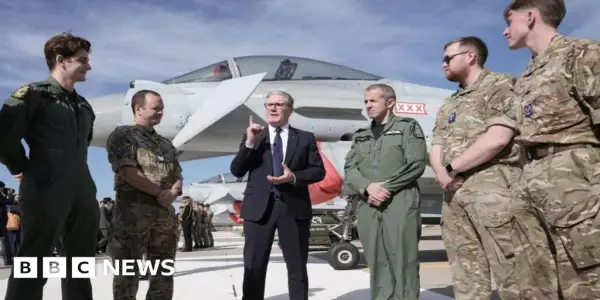
UK Finalizes £8 Billion Typhoon Fighter Jet...

Ireland Moves Forward with Bill Targeting Israeli...

US-South Korea Agreement to Develop...

WWE Raw Recap: Titles Change Hands in Thrilling...

EA Raises Concerns Over Sale to Saudi Arabia's...
Democrats Celebrate Recent Wins Amidst Internal...

Armenian Deputy Foreign Minister Visits Israel...
Hungarian Prime Minister Viktor Orban Engages...
Mamdani's Victory: A Turning Point for the...

European Automakers Face New Chip Shortage as...

Reddit Enhances App Performance with R8...
Cuba Rejects U.S. Security Threat Claims Amid...