Expansion of Earth’s Magnetic Field Weak Spot Raises Concerns
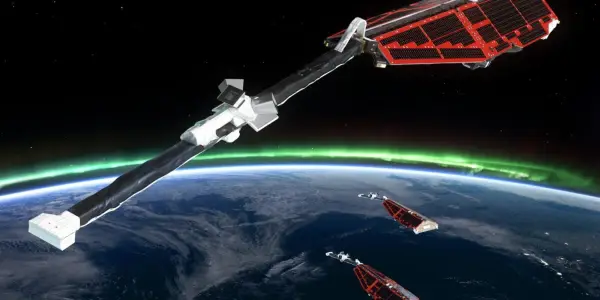
Recent ESA findings reveal the South Atlantic Anomaly is expanding, raising concerns over increased cosmic radiation risks for satellites and space missions.
In-depth analysis
New discoveries
Recent findings from the European Space Agency reveal a significant expansion of the South Atlantic Anomaly, a region in Earth's magnetic field with reduced strength. This growth has been linked to unusual behaviors at the boundary of the outer core and mantle, highlighting the complexity of Earth's magnetic environment and its implications for radiation exposure.
Mission updates
The Swarm satellite constellation continues to provide critical insights into the South Atlantic Anomaly, with recent data showing a westward shift of one anomaly area over Africa, while contrasting trends are observed in regions of Canada and Siberia.
Who is affected
The expansion of the South Atlantic Anomaly poses risks to satellites and space missions traversing this region, as well as to astronauts. Increased cosmic radiation levels can jeopardize equipment functionality and the safety of personnel operating in space.
Next steps
Ongoing monitoring by the ESA is essential to further understand the dynamics of the South Atlantic Anomaly. Continued data collection from the Swarm satellites will help assess the implications for technology and safety in space.
Did you know?
Why we should care
The expansion of the South Atlantic Anomaly affects modern life by threatening satellite communications and navigation systems that many rely on daily. For instance, GPS technology, crucial for everything from ride-sharing apps to agricultural practices, could face disruptions. As the anomaly grows, understanding its impact on radiation exposure becomes essential for ensuring the safety of astronauts and the functionality of satellites, directly linking space science to everyday technologies.
The universe's unsolved mystery
The South Atlantic Anomaly challenges our understanding of Earth's magnetic field dynamics, revealing how interactions between the core and mantle can lead to significant anomalies. This mystery isn't just an academic pursuit; it raises questions about how Earth’s protective mechanisms evolve and what that means for life on our planet. As we explore these complexities, we may uncover deeper insights into geological processes and their long-term implications.
The person who looks at the stars
Meet Clara, a high school teacher in São Paulo who takes her students on stargazing trips. Clara's passion for astronomy sparked when she learned about Earth's magnetic field in college. Now, she uses the South Atlantic Anomaly as a teaching tool, emphasizing its relevance to both space exploration and daily technology. For her, understanding these cosmic phenomena is not just about science; it inspires her students to dream beyond the classroom. Clara often reflects on how the very stars they observe are connected to the challenges faced by satellites in the anomaly, making the universe feel more accessible and alive to her young learners.
Astronauts aboard the ISS Capture Stunning Images...
Breakthrough in Milky Way Simulation Using AI...
Collaboration Between Exoplanet Researchers and...
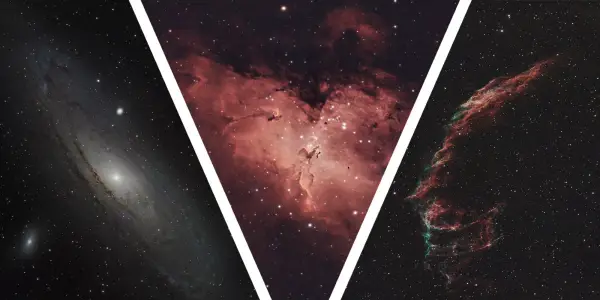
The Dwarf III Smart Telescope: A Compact Marvel...

Jonathan Davies Urges England to Create New...
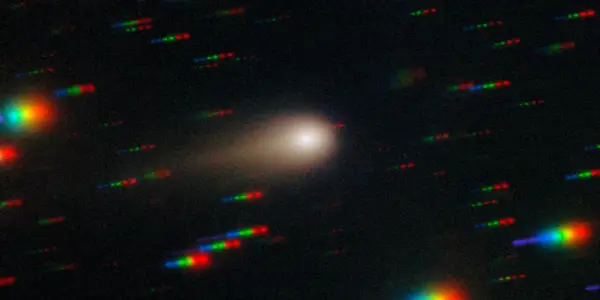
NASA's Campaign to Monitor Interstellar Comet...

Top Black Friday Smartwatch Deals Worth...
Discovery of a Planet Formation Zone Beyond...
SabreSat: An Innovative Air-Breathing Satellite...
NASA and European Partners Prepare for...
Astronomers Discover Ancient White Dwarf Actively...
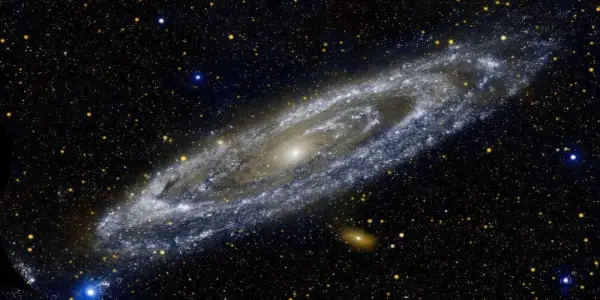
Andromeda Galaxy's Impact on Its Satellite...
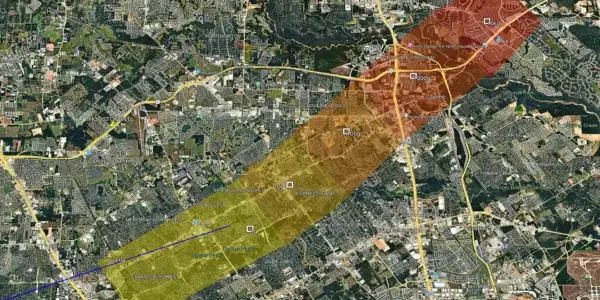
Meteorite Fragment May Have Impacted Houston Home
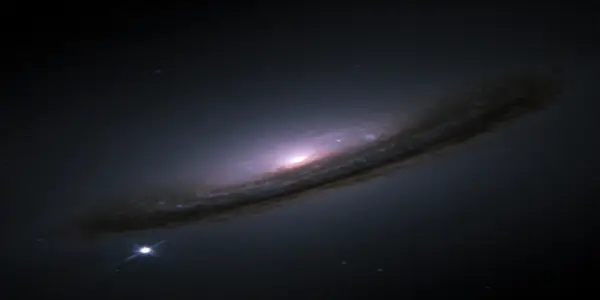
Study Suggests the Universe's Expansion May Be...
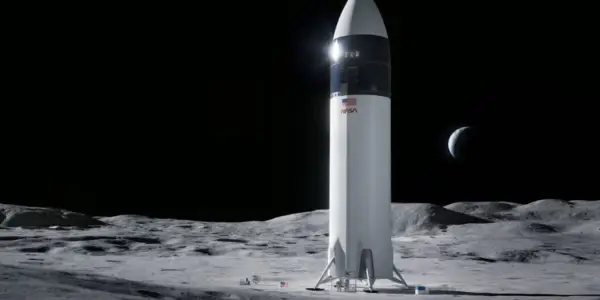
SpaceX Faces Challenges in Meeting NASA's 2027...

Jeff Bezos's AI Hardware Venture Takes Aim at...
New Research Suggests Dark Matter Influences...

NASA's X-59 Achieves Historic Supersonic Flight
Exploring Oregon's Premier Public Telescope...
Astrophysicists Unveil Dark Universe Through...
Rogue Moons: A New Frontier for Life Beyond Stars
Satellite Imagery Highlights Hurricane Damage...
Artemis 2 Astronauts Safely Return After Historic...

OnePlus 15 vs. Samsung Galaxy S25 Plus: A Clash...
Astronomers Capture Unprecedented Black Hole...
Astronomers Uncover Evidence of Aging Stars...
NASA's Ambitious Timeline for Human Exploration...
Astronomers Converge in Phoenix for AAS 247: A...

X-Men Return to Education in Upcoming Comic...
Astronomers Uncover a Rapid Star-Forming Galaxy...
India Successfully Launches CMS-03 Military...
Ancient Galaxies: A Chaotic Early Universe...
Potential Evidence of Dark Matter Emerges from...
The Impact of Space Technology on Everyday Life
Mapping the Invisible: Astronomers Uncover Dark...

FULU Foundation Introduces Repair Bounty System...
Highlights of 2025 in Space Exploration: From...