Mozambique's President Daniel Chapo Advocates for Peace and Inclusion Amidst Challenges
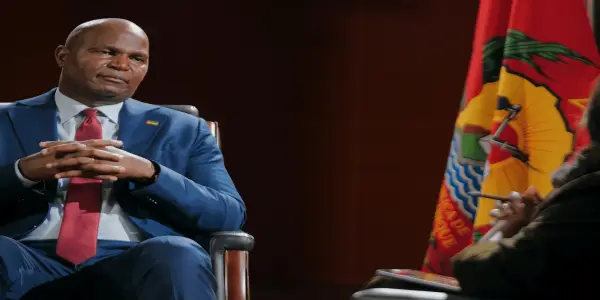
In an exclusive interview with Al Jazeera, President Chapo outlines his vision for a united and prosperous Mozambique, emphasizing the importance of dialogue in overcoming social and political turmoil.
In-depth analysis
Background context
Mozambique's history is marked by a struggle for independence and a subsequent civil war that ended in 1992 with the Lusaka Accord. President Daniel Chapo, the first leader born post-independence, now faces the challenge of uniting a nation still healing from decades of conflict. His recent call for an inclusive national dialogue seeks to address ongoing socio-political issues.
Key political implications
Chapo's dialogue initiative signifies a pivotal shift towards inclusivity in Mozambique's governance, potentially reshaping political alliances and fostering a more stable environment amid ongoing tensions.
Who gains / who loses
If successful, Chapo's efforts could benefit marginalized communities and political factions, fostering a sense of belonging and participation. Conversely, failure to engage effectively may deepen divisions, leaving those in opposition feeling further alienated.
Possible future scenarios
Should the dialogue succeed, Mozambique might experience enhanced stability and unity, paving the way for economic growth. However, persistent violence and unresolved grievances could lead to renewed unrest, jeopardizing progress.
Did you know?
Why you should know this
President Chapo's call for an inclusive national dialogue is crucial for Mozambique's future stability. This initiative directly impacts citizens by addressing long-standing socio-economic disparities and political grievances. For families struggling with the fallout from past conflicts and current unrest, this dialogue offers a glimmer of hope for lasting peace and improved living conditions.
Behind the political curtain
Despite being the first leader born after independence, Chapo's historical perspective is shaped by the experiences of his predecessors. Interestingly, many of his policies draw on lessons from the civil war, aiming to prevent a repeat of the past's violence and division.
Ordinary person in an extraordinary situation
Imagine Maria, a schoolteacher in Maputo who has witnessed decades of conflict ripple through her community. As she listens to President Chapo's vision for inclusive peace, she feels a mix of skepticism and hope. For her, the dialogue isn't just political jargon; it's a chance for her students to grow up in a stable environment. Maria remembers her own childhood, marked by fear during the civil war, and now dreams of a future where her students can thrive without the shadows of violence. Every conversation she has with parents about the importance of education is tied to her desire for a safer, more unified Mozambique. As she reflects on Chapo's words, she wonders if this dialogue could indeed pave the way for real change, sparking conversations in her community about participation and progress.
Expert Commentary
Cuba Rejects U.S. Security Threat Claims Amid...
Democrats Celebrate Recent Wins Amidst Internal...

Spain's Attorney General Convicted in...
Russian and Indian Foreign Ministers Convene...
Zohran Mamdani Secures Victory in New York City...
Sanae Takaichi Poised to Become Japan's First...
South Africa's G20 Presidency: A Mixed Legacy of...
Political Reactions to BBC Leadership Changes...
The Evolving Landscape of Copyright Enforcement...
Texas Governor Abbott Designates CAIR as a...
Nevada's Governor's Office Allegedly Intervened...

New Advocacy Report Urges Action Against Child...
Jared Isaacman Renominated as NASA Administrator...
Limited Expectations as Trump and Xi Approach...
US Tariffs Impact Nuevo Leon's Steel Sector,...
Mamdani Emerges Victorious in NYC Mayoral Race...

EA Raises Concerns Over Sale to Saudi Arabia's...
China's Shift to a Cautious Research Strategy...
New England Senators Play Crucial Role in...
Czech President Appoints Billionaire Former Prime...
Bangladesh's Upcoming Election: Key Political...
Bhutan's Complex Relationship with India: A...
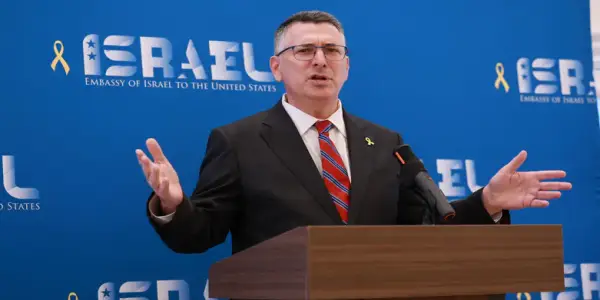
Israel Seeks Diplomatic Renewal with Bolivia...
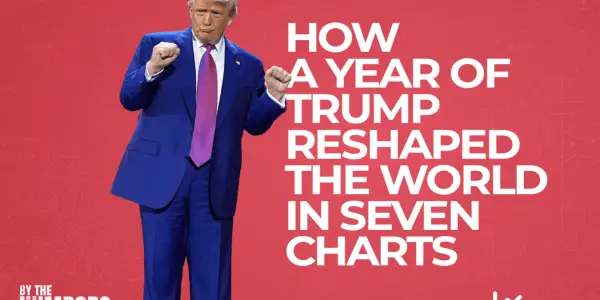
The Impact of Trump's Second Year: A Year of...

NASA Unveils Stunning Images of Interstellar...
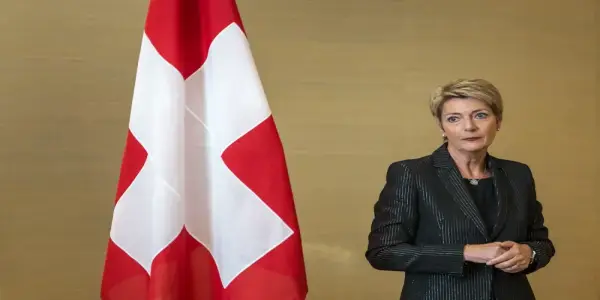
Switzerland Faces Economic Challenges Amid U.S....
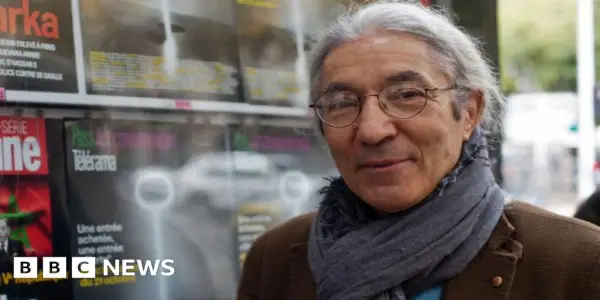
Algeria Grants Pardon to Jailed Novelist Boualem...
European Allies Stand Firm with Denmark Amid U.S....
European Automakers Face New Chip Shortage as...
Key Insights from Trump's National Security...

Comet 3I/ATLAS Continues to Mystify Scientists...
Zohran Mamdani's Vision for Global Municipal...

Baden Bower Reduces Pitch-to-Publish Timeline by...
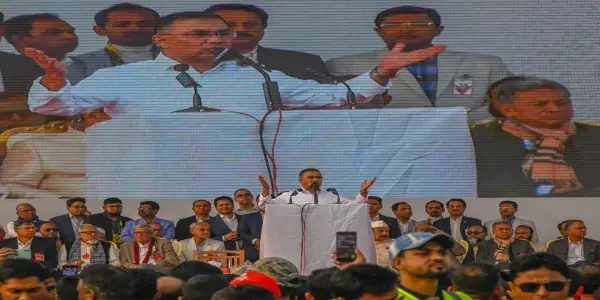
Tarique Rahman's Homecoming: A Potential Turning...
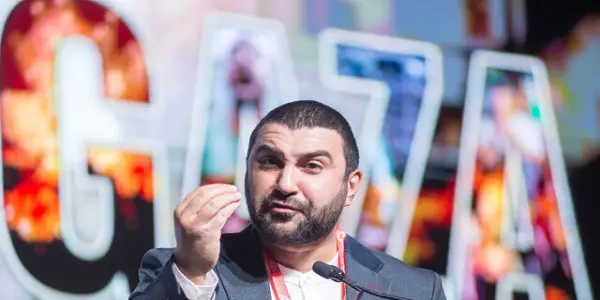
U.S. Authorities Detain British Journalist Linked...
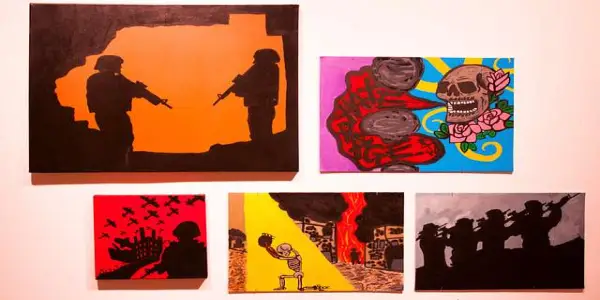
Misjudgments in Military Strategy: The Lessons...
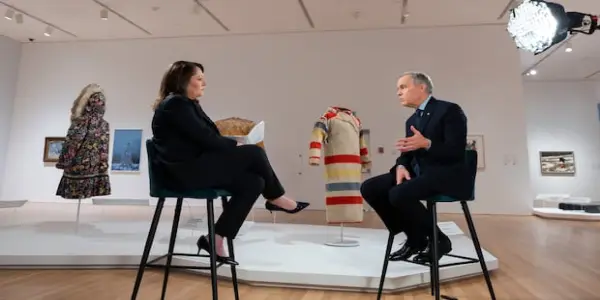
Mark Carney Discusses Political Transition During...

Isaac Asimov's Perspective on Star Trek: A Sci-Fi...
Sias University Adapts to Modern Educational...