Incoming Coronal Mass Ejections May Enhance Northern Lights This Week

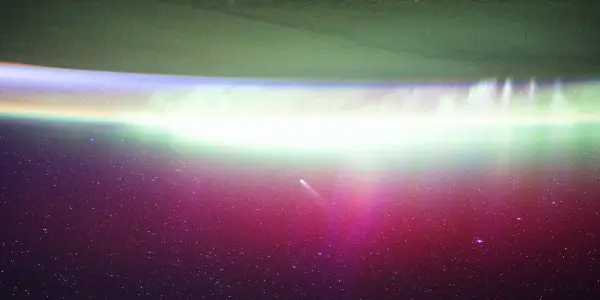
Scientists predict that a series of coronal mass ejections (CMEs) could impact Earth's magnetic field from October 15 to 17, increasing the likelihood of northern lights across northern North America.
In-depth analysis
New discoveries
Recent solar activity has revealed a complex sunspot group responsible for multiple M-class flares, heightening space weather conditions. This phenomenon has led to a series of coronal mass ejections (CMEs) that are expected to enhance the visibility of auroras, particularly in regions previously less affected by such events.
Mission updates
NOAA forecasts three coronal mass ejections to impact Earth between October 15 and 17, potentially causing geomagnetic storms rated G1 to G2, with effects lasting several days.
Who is affected
The impending geomagnetic storms may disrupt power grids and satellites, while also providing a rare opportunity for northern lights visibility as far south as New York. Areas in northern regions, including Scotland, Canada, and the northern United States, are expected to experience the most significant effects.
Next steps
As the CMEs approach, monitoring efforts will continue to assess their impact on Earth. Skywatchers are encouraged to stay informed about updates from NOAA and the Met Office regarding aurora visibility and potential disruptions.
Did you know?
Why we should care
The upcoming geomagnetic storms could disrupt daily life for many, especially in regions where power grids and satellite communications are vulnerable. For instance, residents in cities like New York might catch a rare glimpse of the northern lights, an event that can deepen appreciation for our connection to the cosmos. Understanding these phenomena helps us better prepare for potential disruptions.
The universe's unsolved mystery
Despite advances in solar physics, the precise mechanisms behind coronal mass ejections remain elusive. Researchers are still unraveling how solar flares interact with Earth's magnetic field, leaving many questions unanswered. Each CME offers a unique opportunity to study these interactions, potentially unlocking secrets about the sun's behavior and its impact on our planet.
The person who looks at the stars
For Clara Thompson, an amateur astronomer from Albany, the prospect of witnessing the northern lights is a dream come true. Ever since her father took her stargazing as a child, the night sky has been her refuge. With a telescope set up on her rooftop, she finds solace in celestial events, often inviting friends to share the experience. Clara’s excitement is palpable; she plans to host a gathering, sharing not only the beauty of the auroras but also stories about the science behind them. For her, the northern lights symbolize hope and wonder, reminding her that we are all part of something much larger than ourselves.

European Space Agency Unveils Stunning Radar...
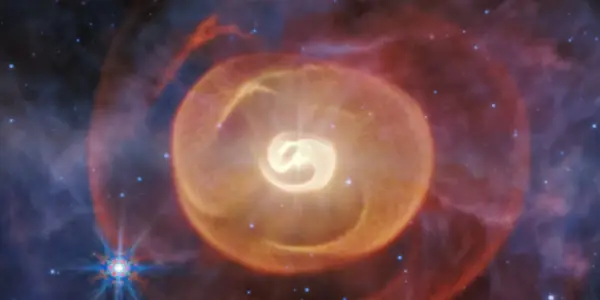
Webb Telescope Reveals Unprecedented Cosmic...
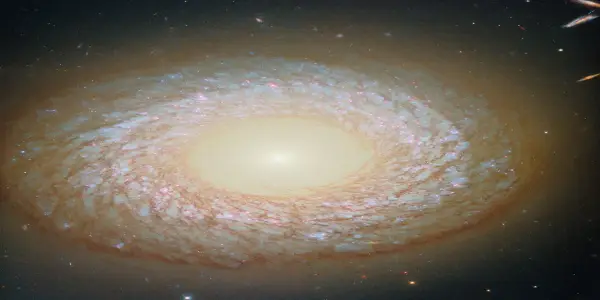
Hubble Telescope Unveils Enigmatic Galaxy NGC 2775
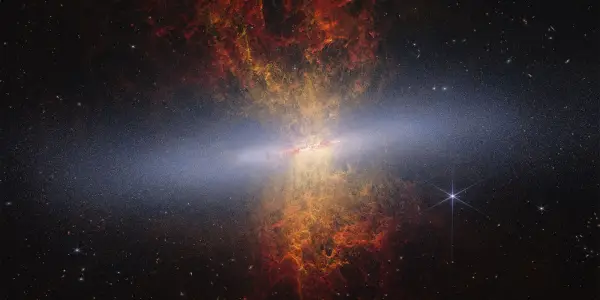
James Webb Space Telescope Captures Stunning...
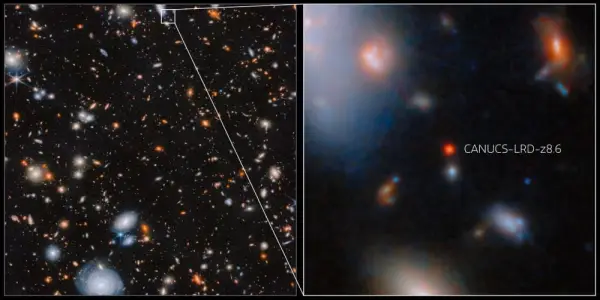
James Webb Space Telescope Sheds Light on Early...
Potential Evidence of Dark Matter Emerges from...
Exploring Oregon's Premier Public Telescope...
SpaceX Set to Launch NASA's Pandora Exoplanet...

Jeff Bezos's AI Hardware Venture Takes Aim at...

Satellite Imagery Reveals Extensive Damage Across...
X5.1 Solar Flare Triggers G4 Geomagnetic Storm...
The Pleiades Star Cluster Reveals Its Extensive...
New Mexico Startup Unveils Ambitious Plan to...
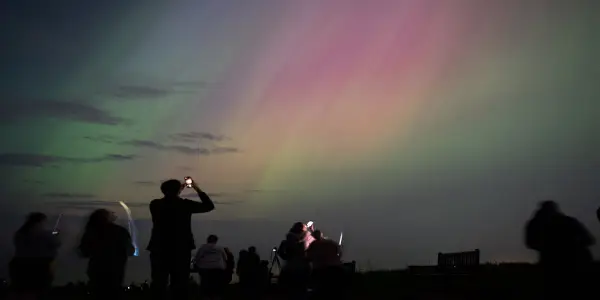
Intense Solar Storm May Illuminate Skies Across...
Jupiter's Moons Io and Europa to Cast Shadows...
Rogue Moons: A New Frontier for Life Beyond Stars
Astrophysicists Unveil Dark Universe Through...
Portal Systems Aims to Revolutionize Spacecraft...

Urwerk Unveils Limited-Edition 100V 'LightSpeed'...
Exploring the Composition of Cosmic Voids
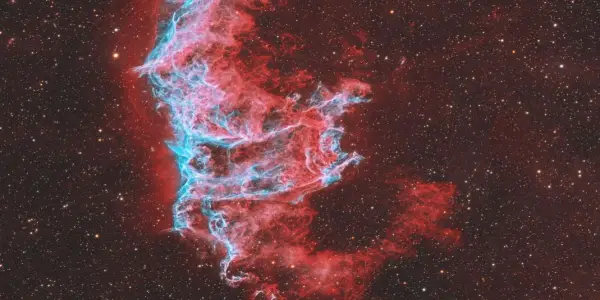
Astrophotographer Captures Stunning Image of...
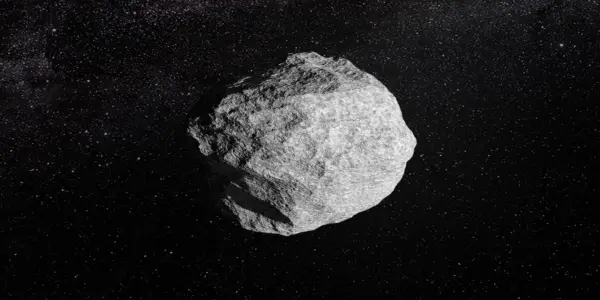
Young Canadian Astronomer Identifies Two...

Lenovo's Legion Tab Gen 3 Sees Significant Black...
Recent Studies Explore Potential Exoplanet in...

Unistellar eQuinox 2 Smart Telescope Sees...
The Dwarf III Smart Telescope: A Compact Marvel...
Italian Producer Plans Historic Film to Shoot in...
NASA's ESCAPADE Probes Set for Unique Journey to...
New Research Suggests Dark Matter Influences...
Astronomers Identify Three Earth-Sized Exoplanets...
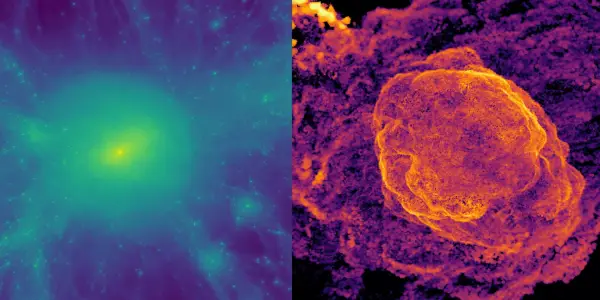
New Simulations Shed Light on the Enigmatic...
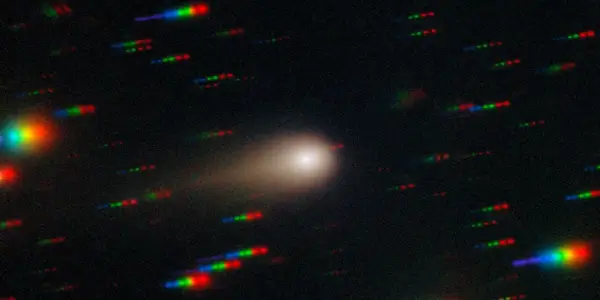
Interstellar Comet 3I/ATLAS Approaches...
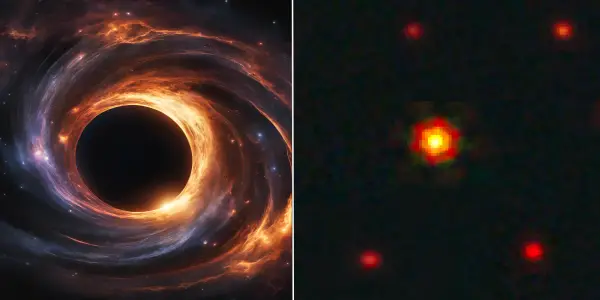
James Webb Space Telescope Discovers Ancient...
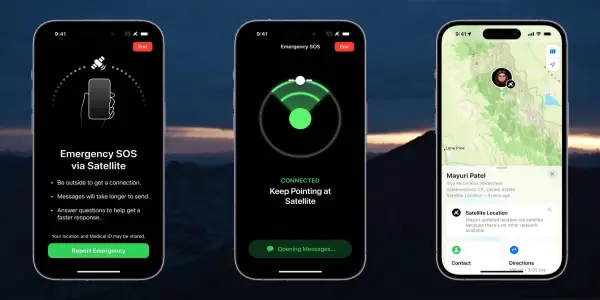
Apple Introduces Emergency SOS via Satellite in...
Enhance Your Weather Preparedness with Weather...

Meteorite Fragment May Have Impacted Houston Home
Astronomers Discover Ancient White Dwarf Actively...

Samsung Galaxy S26 Expected to Feature Enhanced...
Astronauts aboard the ISS Capture Stunning Images...