Astronomers Uncover Potential Evidence of Dark Matter in Distant Cosmos
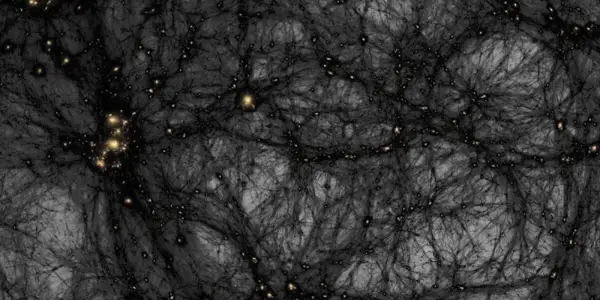
Astronomers have discovered a faint, low-mass object in the distant universe, suggesting it may be dark matter, crucial for understanding this mysterious sub...
In-depth analysis
New discoveries
A groundbreaking astronomical finding has revealed an exceptionally faint, low-mass object in the universe, potentially composed of dark matter. This discovery, reported in *Nature Astronomy*, could signify the lowest-mass dark object identified to date, offering new insights into the elusive nature of dark matter, which constitutes about 27% of the universe's mass.
Mission updates
Researchers utilized gravitational lensing to identify this faint object, showcasing the effectiveness of modern astronomical techniques. The collaborative effort among multiple observatories enabled the detection of a minuscule gravitational effect, highlighting advancements in observational capabilities.
Who is affected
The discovery of this low-mass dark matter candidate has significant implications for astrophysicists and cosmologists, as it enhances understanding of dark matter's role in galaxy formation and structure. This research may also influence future studies aimed at unraveling the mysteries surrounding the universe's hidden components.
Next steps
Following this discovery, researchers aim to determine whether additional dark matter objects can be identified and how their numbers align with existing theoretical models. Continued advancements in observational techniques will be crucial for further exploration of dark matter.
Did you know?
Why we should care
Understanding dark matter isn’t just an academic pursuit; it has real implications for how we view our universe. The discovery of a low-mass dark object could reshape our grasp of cosmic structure, influencing everything from galaxy formation to the fate of the universe itself. For everyday people, this knowledge might inform future technologies or energy sources, as insights into dark matter could unlock new scientific advancements.
The universe's unsolved mystery
Dark matter remains one of the universe's most profound enigmas. Despite comprising a significant portion of the cosmos, its nature is still elusive. This latest discovery may provide a crucial piece of the puzzle, highlighting the importance of continued research in astrophysics. The implications extend beyond theoretical physics, potentially influencing our understanding of reality itself.
The person who looks at the stars
Meet Emily Chen, a high school science teacher in a small town, who spends her evenings stargazing with her students. For Emily, the recent discovery of a low-mass dark object reignites her passion for teaching. She often shares with her class how the universe is not just vast, but filled with mysteries waiting to be uncovered. Inspired by these astronomical findings, Emily introduces her students to concepts of dark matter and gravitational lensing, fostering a sense of wonder. She believes that understanding the universe can empower young minds to think critically and dream big. Each lesson she prepares is infused with hope that one of her students might one day contribute to unraveling these cosmic mysteries, perhaps even discovering something that changes our understanding of the universe.
Expert Commentary

European Space Agency Unveils Stunning Radar...
Webb Telescope Reveals Unprecedented Cosmic...
Hubble Telescope Unveils Enigmatic Galaxy NGC 2775
James Webb Space Telescope Captures Stunning...
James Webb Space Telescope Sheds Light on Early...
Potential Evidence of Dark Matter Emerges from...
Exploring Oregon's Premier Public Telescope...
SpaceX Set to Launch NASA's Pandora Exoplanet...

Jeff Bezos's AI Hardware Venture Takes Aim at...

Satellite Imagery Reveals Extensive Damage Across...


The Pleiades Star Cluster Reveals Its Extensive...
New Mexico Startup Unveils Ambitious Plan to...

Intense Solar Storm May Illuminate Skies Across...
Jupiter's Moons Io and Europa to Cast Shadows...

Rogue Moons: A New Frontier for Life Beyond Stars
Astrophysicists Unveil Dark Universe Through...

Portal Systems Aims to Revolutionize Spacecraft...

Urwerk Unveils Limited-Edition 100V 'LightSpeed'...
Exploring the Composition of Cosmic Voids
Astrophotographer Captures Stunning Image of...
Young Canadian Astronomer Identifies Two...

Lenovo's Legion Tab Gen 3 Sees Significant Black...

Recent Studies Explore Potential Exoplanet in...

Unistellar eQuinox 2 Smart Telescope Sees...
The Dwarf III Smart Telescope: A Compact Marvel...

Italian Producer Plans Historic Film to Shoot in...

NASA's ESCAPADE Probes Set for Unique Journey to...
New Research Suggests Dark Matter Influences...

Astronomers Identify Three Earth-Sized Exoplanets...
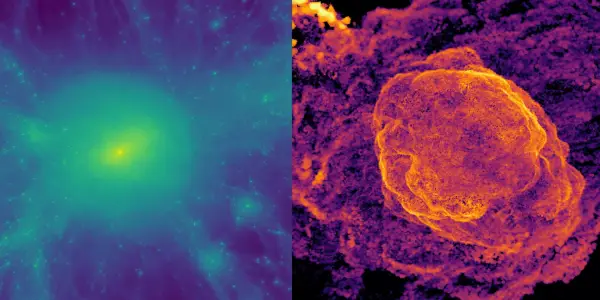
New Simulations Shed Light on the Enigmatic...
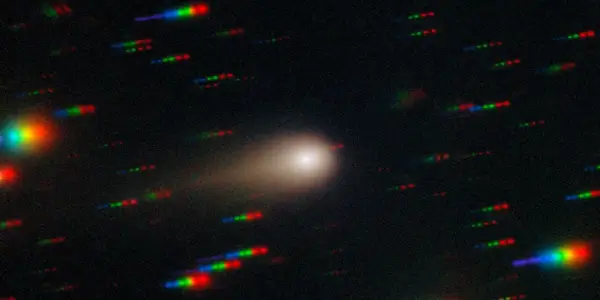
Interstellar Comet 3I/ATLAS Approaches...
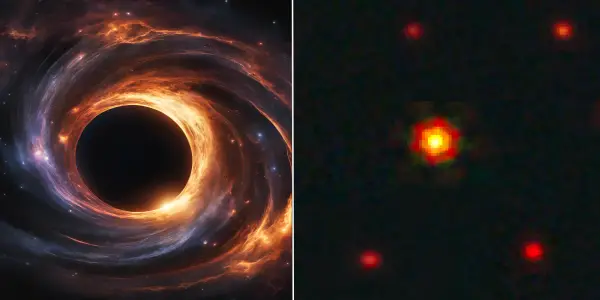
James Webb Space Telescope Discovers Ancient...

Apple Introduces Emergency SOS via Satellite in...

Enhance Your Weather Preparedness with Weather...

The Impact of Space Technology on Everyday Life

Meteorite Fragment May Have Impacted Houston Home

Astronomers Discover Ancient White Dwarf Actively...

Samsung Galaxy S26 Expected to Feature Enhanced...
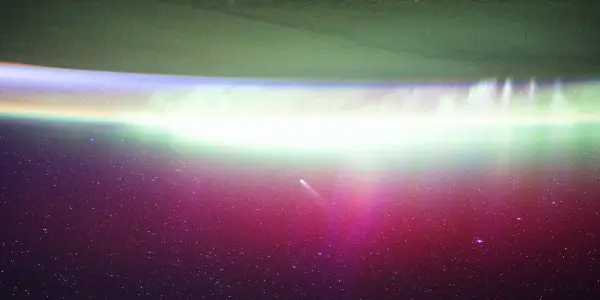
Astronauts aboard the ISS Capture Stunning Images...