Trump's Golden Dome Missile Defense: A Costly Venture Linked to Peter Thiel
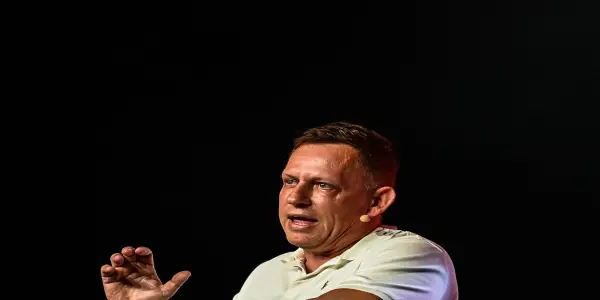
The Golden Dome missile defense initiative, reminiscent of past U.S. defense strategies, raises concerns over costs and potential conflicts of interest tied to billionaire Peter Thiel.
In-depth analysis
Background context
The Golden Dome missile defense initiative, recently revived under the Trump administration, aims to create a space-based defense system against missile threats. Drawing comparisons to the Reagan-era Strategic Defense Initiative, it faces scrutiny over its potential costs, estimated to exceed $3 billion, and its effectiveness in modern defense scenarios against adversaries like Russia and China.
Key political implications
The initiative has sparked bipartisan concerns regarding defense spending and the influence of private contractors on government decisions, potentially undermining public trust in military expenditures.
Who gains / who loses
Billionaire Peter Thiel and other tech industry leaders stand to benefit from lucrative contracts tied to the Golden Dome initiative. In contrast, taxpayers may bear the financial burden of a program criticized for its cost and questionable effectiveness.
Possible future scenarios
As the Golden Dome initiative progresses, it could lead to increased scrutiny of defense spending and heightened calls for transparency, potentially reshaping the relationship between government and private sector defense contractors.
Did you know?
Why you should know this
The Golden Dome missile defense initiative could impact how taxpayer money is spent and shape national security for years to come. With costs projected to soar into the billions, the initiative raises questions about financial transparency and effectiveness. For everyday citizens, understanding this program reveals how defense spending priorities can influence economic stability and public resources, particularly when similar past projects have underperformed.
Behind the political curtain
A lesser-known fact about the Golden Dome initiative is its direct connection to Peter Thiel, a vocal Trump supporter and co-founder of Palantir Technologies. His substantial financial interests in the program raise concerns about potential conflicts of interest, highlighting the blurred lines between government and private sector influence in defense.
Ordinary person in an extraordinary situation
Meet Sarah, a school teacher in Ohio whose husband, a veteran, relies on veteran benefits that could be affected by defense spending shifts. As debates over the Golden Dome initiative unfold, she feels anxious about the potential diversion of funds from critical social services to an expensive missile defense system. With a limited budget for classroom supplies and students needing support, Sarah worries that prioritizing unproven defense projects could ultimately lead to deeper cuts in education and community services. Her emotional connection to military families and educators highlights the real-life stakes of governmental decisions, emphasizing the need for accountability and prioritization of effective programs over ambitious but uncertain defense strategies.
Expert Commentary
U.S. Extends Sanctions Relief as Syrian Leader...

Comet 3I/ATLAS Continues to Mystify Scientists...
Khamenei Assassination: A Pivotal Shift in...
Sanae Takaichi: Japan's First Female Prime...
Inquiry Critiques Scottish Government's Covid-19...
New Yorkers Kick Off Early Voting for Mayoral...
AfD Leader Raises Concerns Over Potential Threats...

Misjudgments in Military Strategy: The Lessons...

Saudi Crown Prince Mohammed bin Salman Set for...
Denmark's Prime Minister Advocates for Stricter...

Colombia's ELN Rebels Intensify Military Drills...

The Legacy of French Colonialism: Language and...

Reddit Enhances App Performance with R8...
Sias University Adapts to Modern Educational...
The Rise of Technocracy in Modern Governance
Javier Milei's Victory Signals a Shift in...
Mamdani Emerges Victorious in NYC Mayoral Race...

Cuban Authorities Engage in Deadly Clash with...
Revitalizing Relations: The Future of the...

Egypt Affirms Commercial Nature of Gas Agreement...
Contradictory Signals from Trump and Rubio on...
The Impact of Trump's Second Year: A Year of...

Germany Resumes Arms Exports to Israel Amid...
Jared Isaacman Renominated as NASA Administrator...
Italy's PM Meloni Responds Firmly to Trump's...

NASA Unveils Stunning Images of Interstellar...
South Africa's G20 Presidency: A Mixed Legacy of...

The Evolving Landscape of Copyright Enforcement...

Kenya Urges Protection for Citizens Amid...

Bhutan's Complex Relationship with India: A...
Zohran Mamdani's Vision for Global Municipal...

Canada Decides Against Public Disclosure of Nazi...
Canada's Carney to Meet Xi in China, Signaling a...

Challenges Faced by Costumes in 'Mighty Morphin...

Indian Trade Unions Rally Against New Labour...
U.S. Lawmakers Express Concerns Over Trump...
Trump Addresses Nuclear Testing, Government...
Mark Carney Discusses Political Transition During...

Geopolitical Tensions Surround Palau Amid...

US-South Korea Agreement to Develop...