Trump Plans to Designate Muslim Brotherhood as a Terrorist Organization
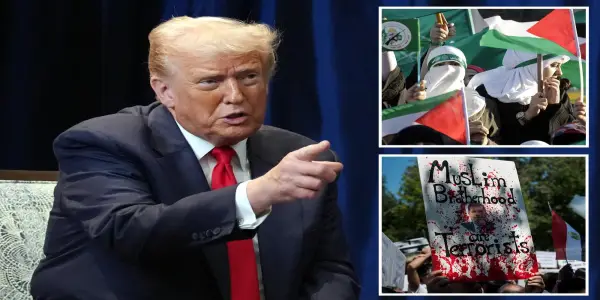
Amid rising concerns about the Muslim Brotherhood's influence, President Trump announced intentions to classify the group as a foreign terrorist organization, following advocacy from various lawmakers and think tanks.
In-depth analysis
Background context
The Muslim Brotherhood, established in Egypt in 1928, has been embroiled in controversy due to accusations of promoting radical ideologies and terrorism. With ties to various extremist factions, the group is under increased scrutiny as Western nations assess its influence and activities, particularly in light of recent advocacy for its designation as a terrorist organization.
Key political implications
Designating the Muslim Brotherhood as a foreign terrorist organization could significantly alter U.S. foreign policy, impacting diplomatic relations with Muslim-majority nations that view the group differently.
Who gains / who loses
If the designation proceeds, proponents may perceive a victory in national security, while opponents could argue that it undermines civil liberties and fosters anti-Muslim sentiment. Additionally, Muslim-majority countries may experience strained relations with the U.S.
Possible future scenarios
Future developments may include intensified scrutiny of Muslim organizations in the U.S. and heightened tensions with countries opposing the designation. Alternatively, this move could catalyze broader discussions on radicalism and civil rights.
Did you know?
Why you should know this
The designation of the Muslim Brotherhood as a foreign terrorist organization could reshape international relations and impact local communities. For everyday Americans, this may mean heightened scrutiny on Middle Eastern groups, influencing immigrant integration and community relations. It also raises questions about how national security measures might affect civil liberties, touching lives beyond the political sphere.
Behind the political curtain
While many associate the Muslim Brotherhood primarily with extremism, a lesser-known fact is that it has a complex history of political engagement. It has participated in elections and governance in several countries, illustrating a dual identity as both a political and religious entity, challenging the binary understanding of such organizations.
Ordinary person in an extraordinary situation
Consider Sarah, a young Muslim-American teacher in Ohio, who has spent years fostering understanding between her students and the broader Muslim community. With the potential designation of the Muslim Brotherhood, she feels the weight of a label that could affect her work and relationships. Sarah worries that the classification might fuel misconceptions about her heritage and faith, creating an environment of distrust. She often discusses with her students the importance of open dialogue and critical thinking, but now fears that political decisions could overshadow those lessons. This moment not only impacts her career but also the fabric of community harmony she has strived to build.

Revitalizing Relations: The Future of the...

European Automakers Face New Chip Shortage as...

Algeria Grants Pardon to Jailed Novelist Boualem...
Russian and Indian Foreign Ministers Convene...
Contradictory Signals from Trump and Rubio on...

Czech President Appoints Billionaire Former Prime...

Challenges Faced by Costumes in 'Mighty Morphin...
Mark Carney Discusses Political Transition During...

AfD Leader Raises Concerns Over Potential Threats...

Golden Snub-Nosed Monkeys Make European Debut in...

Mamdani Emerges Victorious in NYC Mayoral Race...
The Rise of Technocracy in Modern Governance

Nevada's Governor's Office Allegedly Intervened...

U.S. Lawmakers Express Concerns Over Trump...

Cuban Authorities Engage in Deadly Clash with...

Apple Achieves Unprecedented Financial Success in...
South Korea Initiates First Military Talks with...
Cuba Rejects U.S. Security Threat Claims Amid...
Canada and China Take Steps Toward Repairing...
Texas Governor Abbott Designates CAIR as a...
Saudi Crown Prince Mohammed bin Salman Set for...

Jared Isaacman Renominated as NASA Administrator...
Switzerland Faces Economic Challenges Amid U.S....
Examining Trump's Claims of Resolving Conflicts:...

Indian Trade Unions Rally Against New Labour...

Isaac Asimov's Perspective on Star Trek: A Sci-Fi...
Six Finalists Announced for the 2026...

Zohran Mamdani's Vision for Global Municipal...
Hungarian Prime Minister Viktor Orban Engages...

Ireland Moves Forward with Bill Targeting Israeli...
Egypt Affirms Commercial Nature of Gas Agreement...
Kenya Urges Protection for Citizens Amid...
Khamenei Assassination: A Pivotal Shift in...
Jim Avila, Esteemed ABC News Correspondent, Dies...

European Allies Stand Firm with Denmark Amid U.S....

South Korea Rebuilds Trust and Reassesses Foreign...

Canada Decides Against Public Disclosure of Nazi...

The 1969 Sino-Soviet Border Conflict: A Near Miss...
Syria's Foreign Minister Visits China to...