South Africa Pursues New Trade Alliances Amid U.S. Tariff Challenges
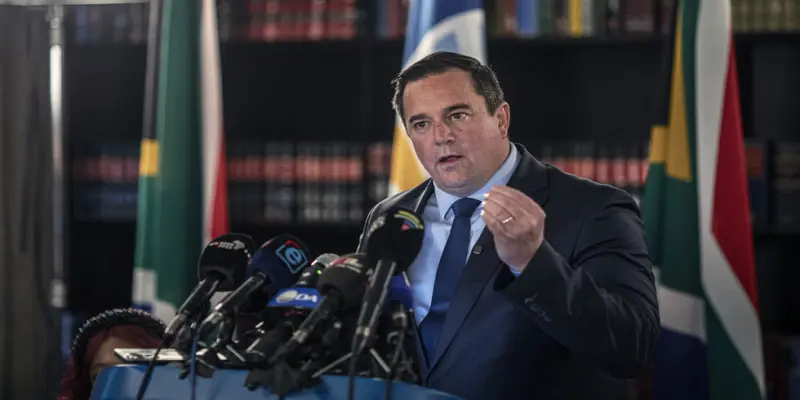
In light of a significant tariff imposed by the United States, South Africa's Agriculture Minister is actively seeking equitable trade agreements with various nations.
In-depth analysis
Background context
The recent imposition of a 30% tariff by the United States on South African exports has prompted significant concern within the country’s agricultural sector. Historically reliant on U.S. markets, South Africa now faces potential economic repercussions, leading to a strategic shift towards diversifying its trade partnerships to mitigate the impact of these tariffs.
Key political implications
This tariff escalation may strain U.S.-South Africa relations, challenging diplomatic ties and influencing future trade negotiations, as South Africa seeks to assert its economic independence.
Who gains / who loses
While South African exporters may suffer from reduced market access and economic instability, countries in Asia and Europe could benefit from increased trade opportunities as South Africa seeks new partnerships to offset the impact of U.S. tariffs.
Possible future scenarios
If South Africa successfully diversifies its trade partnerships, it may stabilize its economy; however, continued U.S. tariffs could lead to long-term challenges for its agricultural sector and necessitate further strategic adjustments.
Did you know?
Why you should know this
The recent 30% tariff on South African exports by the U.S. could significantly impact local farmers and producers who rely on American markets for their livelihoods. As the South African government seeks new trade partnerships, consumers may see changes in the availability and pricing of agricultural products. Understanding these shifts can help individuals make informed choices about what they buy and how global policies affect local economies.
Behind the political curtain
In the past, South Africa has benefited from the African Growth and Opportunity Act, which provided preferential access to U.S. markets. Interestingly, the U.S. tariffs are part of a broader strategy that aims to protect specific domestic industries—something that has become a contentious issue in global trade discussions.
Ordinary person in an extraordinary situation
Meet Thandiwe, a corn farmer in KwaZulu-Natal. With over a decade of experience, she has relied on exports to the U.S. for nearly half of her income. The news of the tariff was a gut punch for Thandiwe, who fears losing her livelihood and the ability to support her family. She’s now attending community meetings to discuss alternative markets, but the uncertainty weighs heavily on her. Thandiwe’s situation is emblematic of many farmers facing similar challenges, highlighting the human cost of shifting trade policies. As South Africa pivots to new partners, it’s crucial to remember the individuals like Thandiwe who navigate these changes, often with limited resources and support.
Expert Commentary

Mamdani Emerges Victorious in NYC Mayoral Race...

Comet 3I/ATLAS Continues to Mystify Scientists...

U.S. Lawmakers Express Concerns Over Trump...
Canada and China Take Steps Toward Repairing...
Contradictory Signals from Trump and Rubio on...

Lessons from Ulysses S. Grant on Civil-Military...

Bhutan's Complex Relationship with India: A...
Indian Trade Unions Rally Against New Labour...

NFL Players Union Faces Grievance Over Annual...

WWE Raw Recap: Titles Change Hands in Thrilling...
Golden Snub-Nosed Monkeys Make European Debut in...
Egypt Affirms Commercial Nature of Gas Agreement...

New Advocacy Report Urges Action Against Child...

Zohran Mamdani Secures Victory in New York City...
US Tariffs Impact Nuevo Leon's Steel Sector,...
Texas Governor Abbott Designates CAIR as a...

Denmark's Prime Minister Advocates for Stricter...
South Korea Initiates First Military Talks with...
Trump Appoints Special Envoy to Greenland,...

Isaac Asimov's Perspective on Star Trek: A Sci-Fi...
Examining Trump's Claims of Resolving Conflicts:...

The Fate of the Maquis in Star Trek: A Missed...

US-South Korea Agreement to Develop...
Kenya Urges Protection for Citizens Amid...

Inquiry Critiques Scottish Government's Covid-19...
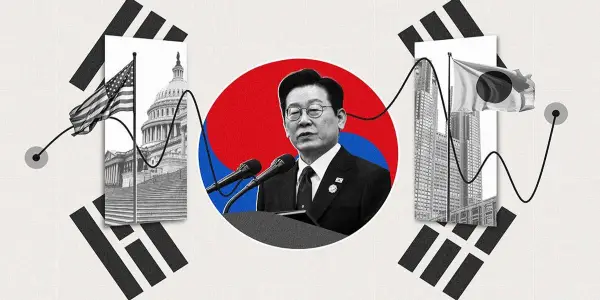
South Korea Rebuilds Trust and Reassesses Foreign...

Jared Isaacman Renominated as NASA Administrator...

Apple Achieves Unprecedented Financial Success in...

Iraq's Parliamentary Elections: Key Insights...

Spain's Attorney General Convicted in...
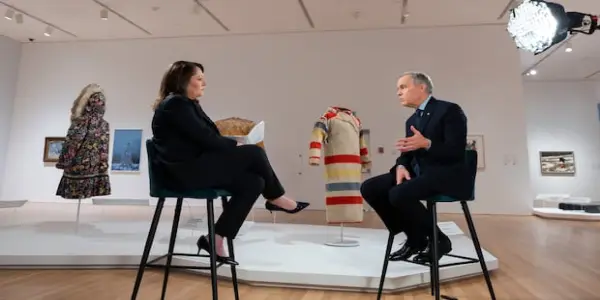
Mark Carney Discusses Political Transition During...
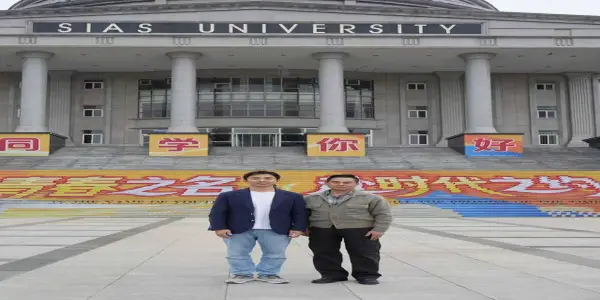
Sias University Adapts to Modern Educational...

The Evolving Landscape of Copyright Enforcement...
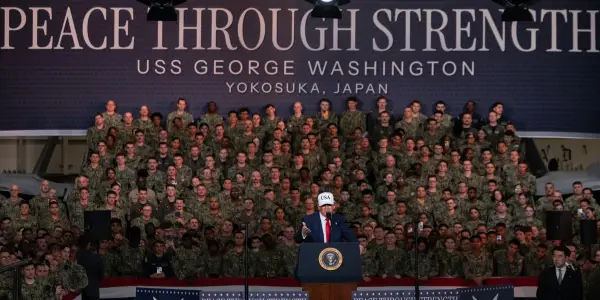
Key Insights from Trump's National Security...

China's Shift to a Cautious Research Strategy...
Limited Expectations as Trump and Xi Approach...
The Role of Palestinian Statehood in Advancing...
Japan Protests China's Travel Advisory Amid...

Algeria Grants Pardon to Jailed Novelist Boualem...
Democrats Celebrate Recent Wins Amidst Internal...