Orion Constellation and the First Quarter Moon to Grace the Night Sky on October 12
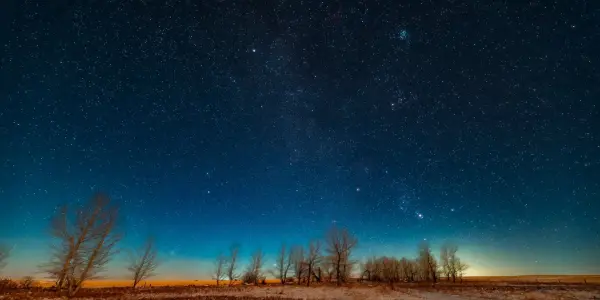
On October 12, witness the stunning alignment of the first quarter moon, Orion, and Jupiter, visible across North America. Don't miss this celestial spectacle.
In-depth analysis
New discoveries
The imminent supernova of Betelgeuse, a red supergiant star in Orion, represents a significant astronomical event. As it approaches the end of its life cycle, scientists are keenly observing the star, which could provide insights into stellar evolution and the dynamics of supernova explosions, enhancing our understanding of cosmic processes.
Mission updates
Astronomers are actively monitoring the alignment of the first quarter moon, Jupiter, and Orion, scheduled for October 12. This celestial event is generating excitement among both amateur and professional stargazers.
Who is affected
Stargazers across North America, particularly in Alberta, will benefit from optimal viewing conditions during this celestial event. The alignment of the moon, Jupiter, and Orion offers a unique opportunity for both casual observers and serious astronomers to engage with the night sky.
Next steps
Observers are encouraged to prepare for the event by utilizing telescopes and practicing the averted vision technique. Additionally, astrophotography enthusiasts are invited to document and share their observations to contribute to the growing community of astronomy lovers.
Did you know?
Why we should care
Stargazing connects us to the universe in ways that transcend daily life. Observing celestial events like the alignment of the moon, Orion, and Jupiter fosters a sense of wonder and curiosity, encouraging people to engage with science and nature. For families or friends gathering outdoors, this experience can spark conversations about our place in the cosmos, inspiring future generations of astronomers and scientists.
The universe's unsolved mystery
The fate of Betelgeuse remains one of astronomy's most tantalizing enigmas. As a supergiant star nearing its end, its eventual supernova event could illuminate the night sky for centuries to come. This uncertainty invites contemplation about the life cycles of stars and the mysteries lurking in our universe, urging both amateur and seasoned astronomers to keep looking up.
The person who looks at the stars
Meet Clara, a 10-year-old girl from Calgary with a passion for astronomy sparked by her grandmother's stories of stargazing. Every October, they set up a blanket in their backyard, armed with a telescope and a star chart. This year, Clara is particularly excited to spot Betelgeuse and the Orion Nebula, her eyes wide with wonder as she imagines the birth and death of stars. For Clara, these moments are more than just a hobby; they are a bridge to her grandmother's past and a pathway to her future, igniting dreams of becoming an astrophysicist. The night sky offers her not just stars, but endless possibilities.
Astrophysicists Unveil Dark Universe Through...
Astronomers Capture Unprecedented Black Hole...
Innovative Portable Reflecting Telescope...

Top Black Friday Smartwatch Deals Worth...
Highlights of 2025 in Space Exploration: From...
Russian Cosmonauts Conduct Extended Spacewalk to...
Mapping the Invisible: Astronomers Uncover Dark...
SpaceX Achieves 150th Falcon 9 Launch with...
X5.1 Solar Flare Triggers G4 Geomagnetic Storm...

Samsung Unveils Unprecedented Black Friday Deal...
Unraveling the Mysteries of Mars: Recent...
India Successfully Launches CMS-03 Military...
Astronomers Identify Potential Earth-Like...
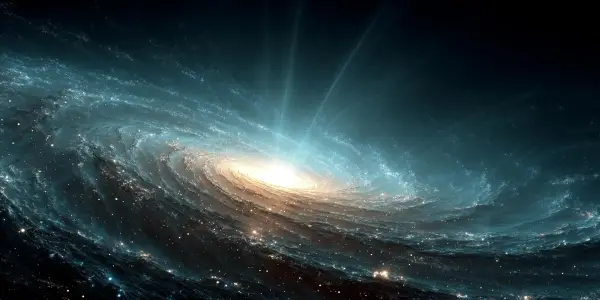
New Research Suggests Dark Matter Influences...

Samsung Galaxy S26 Expected to Feature Enhanced...

European Space Agency Unveils Stunning Radar...
Euclid Space Telescope Discovers Hidden Stars in...
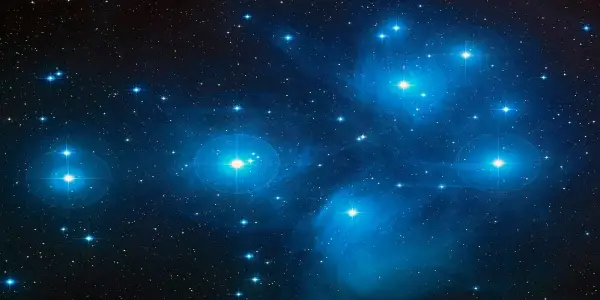
The Pleiades Star Cluster Reveals Its Extensive...
SpaceX Faces Challenges in Meeting NASA's 2027...
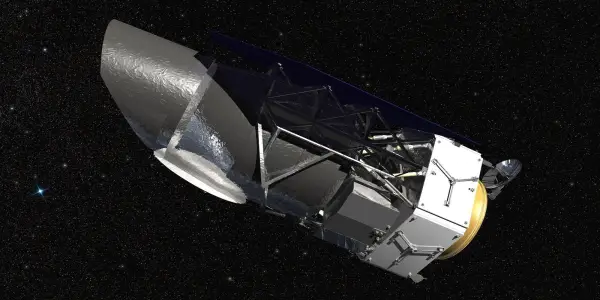

Childcare Crisis: Families Struggle as...
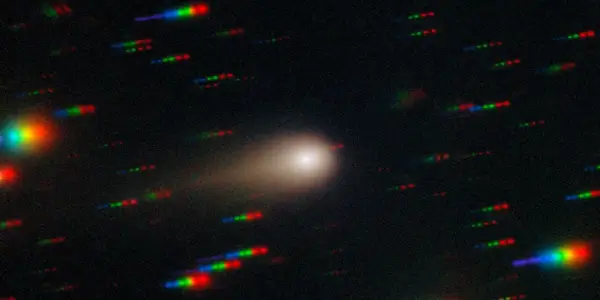
Interstellar Comet 3I/ATLAS Approaches...
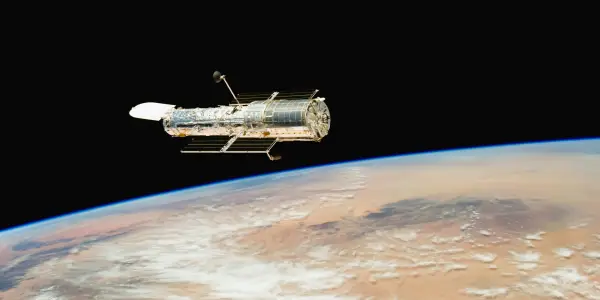
The Impact of Space Technology on Everyday Life

Urwerk Unveils Limited-Edition 100V 'LightSpeed'...
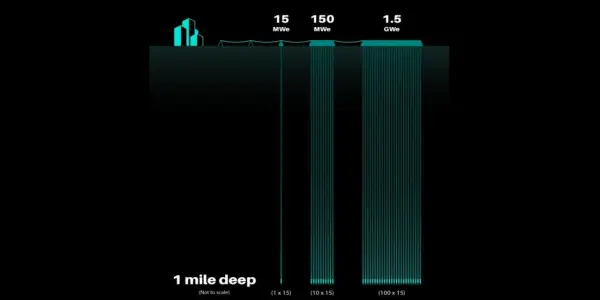
Deep Fission Proposes Underground Nuclear...
Ancient Galaxies: A Chaotic Early Universe...
Webb Telescope Reveals Unprecedented Cosmic...
Portal Systems Aims to Revolutionize Spacecraft...
Unistellar eQuinox 2 Smart Telescope Sees...

Boeing's Upcoming Starliner Mission Set for April...
NASA's Campaign to Monitor Interstellar Comet...
James Webb Space Telescope Sheds Light on Early...

Satellite Imagery Highlights Hurricane Damage...
Jupiter's Moons Io and Europa to Cast Shadows...
Potential Alien Disclosure May Trigger Bitcoin...
Recent Studies Explore Potential Exoplanet in...
Congress Questions NASA's Facility Closures Amid...
Assessing the Financial Impact of NASA's Apollo...

This Week In Space Podcast: Episode 187 Explores...