Milorad Dodik Steps Down, Clearing Path for Presidential Elections in Republika Srpska
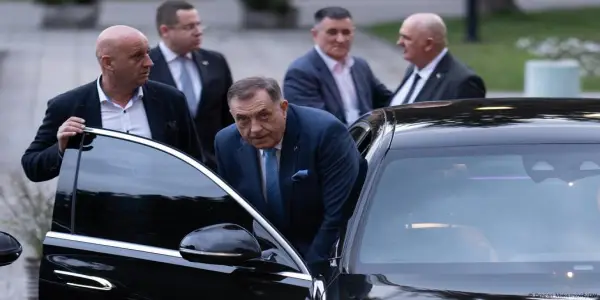
After a lengthy political career marked by controversy, Milorad Dodik has announced his withdrawal from official roles in Republika Srpska, setting the stage for a presidential election on November 23 amid mounting judicial and international pressures.
In-depth analysis
Background context
Milorad Dodik has dominated the political scene in Republika Srpska for nearly thirty years, but recent legal challenges, including a one-year prison sentence for defying international authority, have forced his resignation from all official positions. This shift follows a federal court ruling that barred him from political activity for six years, highlighting ongoing tensions in Bosnia and Herzegovina.
Key political implications
Dodik's resignation signifies a potential shift in power dynamics within Republika Srpska, challenging the long-standing dominance of his party, the SNSD, and opening the door to new political alliances and governance strategies.
Who gains / who loses
Dodik's exit may benefit opposition parties and factions within the SNSD seeking reform, as they could capitalize on public discontent over economic mismanagement. Conversely, Dodik's loyalists risk losing influence as the party grapples with internal divisions and a changing political landscape.
Possible future scenarios
The political landscape in Republika Srpska could evolve towards a focus on economic recovery and governance, moving away from nationalistic rhetoric. Alternatively, fragmentation within the SNSD might lead to increased instability as new leadership emerges.
Did you know?
Why you should know this
Milorad Dodik's resignation reshapes the political landscape of Republika Srpska, impacting daily life for its citizens. With the potential for new leadership, residents may experience shifts in governance that could tackle longstanding issues like corruption and economic decline. As the region prepares for an upcoming presidential election, the choices made now will influence job opportunities, public services, and overall stability.
Behind the political curtain
Despite being a central figure in the region for decades, Dodik's political career was marked by numerous legal challenges that often went unnoticed by the public. For instance, his six-year ban from political activity was largely overshadowed by his nationalist rhetoric, revealing a complex interplay between his ambitions and the legal frameworks governing Bosnia and Herzegovina.
Ordinary person in an extraordinary situation
Ana Petrovic, a 34-year-old teacher in Banja Luka, has lived through Dodik's controversial governance. She recalls how his policies affected her school funding, leaving classrooms under-resourced. With Dodik's departure, Ana feels a glimmer of hope for change. 'Maybe now our voices will be heard,' she says, reflecting a community eager for fresh leadership to address pressing issues like education and economic recovery. Many like Ana are cautiously optimistic, recognizing that this moment could redefine their future.
Expert Commentary
Mark Carney Discusses Political Transition During...
Japan Reacts Strongly to China's Travel Advisory...

Misjudgments in Military Strategy: The Lessons...
Zohran Mamdani Secures Victory in New York City...
Bangladesh's International Crimes Tribunal...
U.S. Authorities Detain British Journalist Linked...
Algeria Grants Pardon to Jailed Novelist Boualem...
Saudi Crown Prince's Invitation to the White...

Ireland Moves Forward with Bill Targeting Israeli...
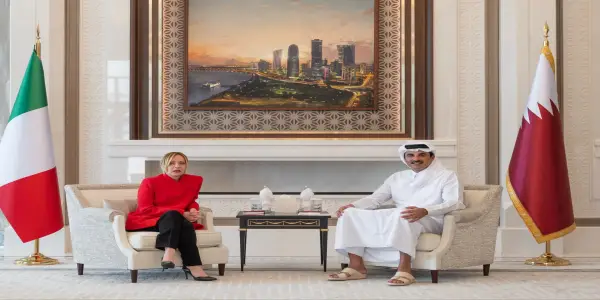
Italy's Meloni Engages with Qatar Emir on Energy...
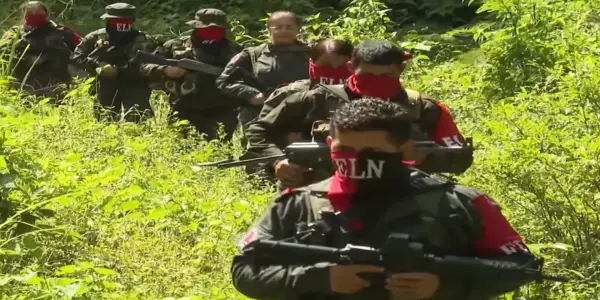
Colombia's ELN Rebels Intensify Military Drills...
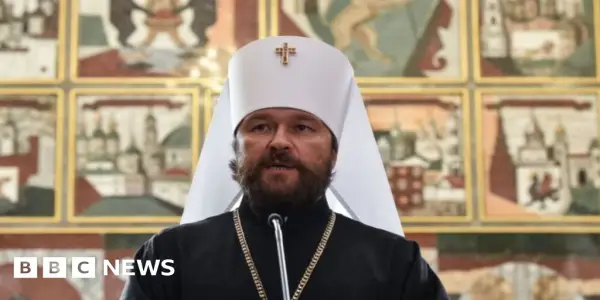
Exiled Russian Orthodox Leader Responds to Spying...
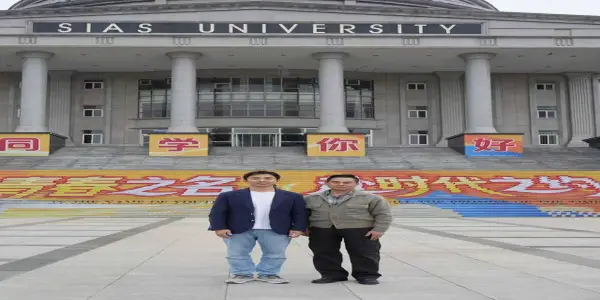
Sias University Adapts to Modern Educational...

Comet 3I/ATLAS Continues to Mystify Scientists...

Baden Bower Reduces Pitch-to-Publish Timeline by...

AfD Leader Raises Concerns Over Potential Threats...
Trump Appoints Special Envoy to Greenland,...
The 1969 Sino-Soviet Border Conflict: A Near Miss...

WWE Raw Recap: Titles Change Hands in Thrilling...
Examining Trump's Claims of Resolving Conflicts:...
Tarique Rahman's Homecoming: A Potential Turning...
Iraq's Parliamentary Elections: Key Insights...
Democrats Celebrate Recent Wins Amidst Internal...
Jim Avila, Esteemed ABC News Correspondent, Dies...
Canada Decides Against Public Disclosure of Nazi...

Japan and Finland in Diplomatic Tension Following...
Bhutan's Complex Relationship with India: A...

EA Raises Concerns Over Sale to Saudi Arabia's...

NFL Players Union Faces Grievance Over Annual...
UK Finalizes £8 Billion Typhoon Fighter Jet...

Golden Snub-Nosed Monkeys Make European Debut in...

New Yorkers Kick Off Early Voting for Mayoral...
Peru Sever Diplomatic Relations with Mexico Amid...

The Legacy of French Colonialism: Language and...
Is the U.S. Reassessing Its Stance on Israel...
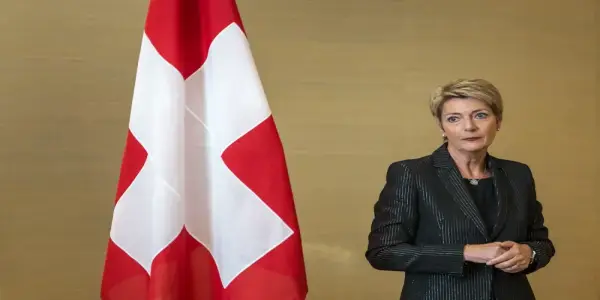
Switzerland Faces Economic Challenges Amid U.S....

Saudi Crown Prince Mohammed bin Salman Set for...

Geopolitical Tensions Surround Palau Amid...

New Advocacy Report Urges Action Against Child...

U.S. Lawmakers Express Concerns Over Trump...