India's Finance Minister Affirms Economic Resilience Amid U.S. Tariff Pressures

Nirmala Sitharaman highlights the country's capacity to withstand economic shocks at the Kautilya Economic Conclave, emphasizing domestic factors driving growth.
In-depth analysis
Background context
The recent tariffs imposed by the United States on Indian imports have reignited historical tensions between the two nations, reflecting a complex relationship shaped by both cooperation and conflict. Indian Finance Minister Nirmala Sitharaman's remarks at the Kautilya Economic Conclave highlight India's growing economic independence, emphasizing domestic consumption and investment as key growth drivers amidst external pressures.
Key political implications
Sitharaman's statements suggest a strategic pivot for India, potentially reshaping its foreign relations and economic partnerships. The emphasis on resilience may encourage a re-evaluation of alliances, particularly with nations like Russia and China.
Who gains / who loses
Countries that align with India's stance against U.S. tariffs, such as Russia and China, may gain strengthened ties and economic collaboration. Conversely, the U.S. risks alienating a significant trade partner, potentially impacting its own economic interests.
Possible future scenarios
India may emerge as a more self-reliant economy, fostering new alliances while navigating geopolitical tensions. Alternatively, ongoing tariff disputes could hinder growth, forcing India to reconsider its international economic strategies.
Did you know?
Why you should know this
Understanding India's economic resilience is crucial as it directly impacts global markets and trade dynamics. With the U.S. imposing tariffs, Indian consumers and businesses may feel immediate effects in pricing and availability of goods. This situation highlights how interconnected economies are; decisions made in one country can ripple through to affect everyday costs and investment opportunities in another.
Behind the political curtain
Despite tensions, India and the U.S. have a history of collaboration that includes joint military exercises and technology sharing. Interestingly, India is now the U.S.'s second-largest arms buyer, illustrating how complex their relationship remains, balancing cooperation with competitive trade practices.
Ordinary person in an extraordinary situation
At a bustling Delhi market, Aditi Sharma, a small business owner, has faced rising costs due to fluctuating import tariffs. Her shop, selling handcrafted textiles, relies on materials that are now more expensive due to U.S. tariffs. Aditi is worried that increased prices will push her loyal customers away. Yet, she also feels hopeful as she witnesses a growing movement among local artisans to support each other. Aditi's situation exemplifies how global and local economies intertwine; her resilience reflects the broader narrative of India's adaptability in challenging times, showcasing the spirit of innovation and community amidst economic uncertainty.
Expert Commentary
New Yorkers Kick Off Early Voting for Mayoral...

Geopolitical Tensions Surround Palau Amid...
NFL Players Union Faces Grievance Over Annual...

Nevada's Governor's Office Allegedly Intervened...

Boeing 777X: The Long Wait for Innovation and...
German Chancellor Merz to Visit Israel for Key...
Japan Reacts Strongly to China's Travel Advisory...

Isaac Asimov's Perspective on Star Trek: A Sci-Fi...
Jim Avila, Esteemed ABC News Correspondent, Dies...
Texas Governor Abbott Designates CAIR as a...
Limited Expectations as Trump and Xi Approach...

Spain's Attorney General Convicted in...
Khamenei Assassination: A Pivotal Shift in...
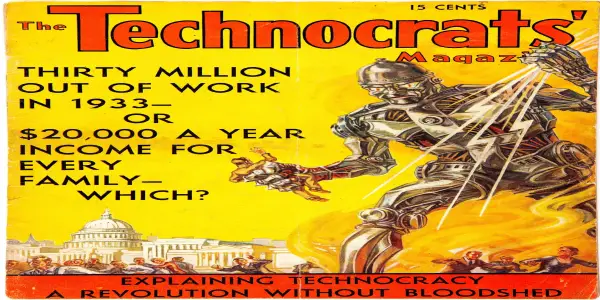
The Rise of Technocracy in Modern Governance

EA Raises Concerns Over Sale to Saudi Arabia's...

Exiled Russian Orthodox Leader Responds to Spying...

Canada Decides Against Public Disclosure of Nazi...
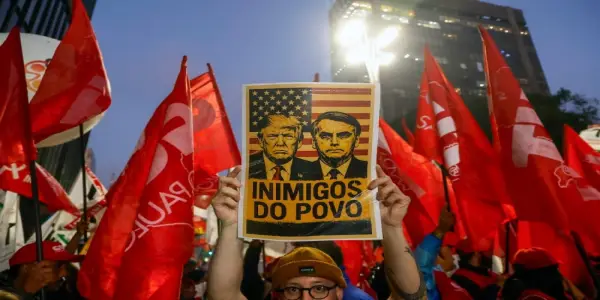
Analyzing Trump's Latin America Strategy Amid...

Challenges Faced by Costumes in 'Mighty Morphin...
Bangladesh's International Crimes Tribunal...
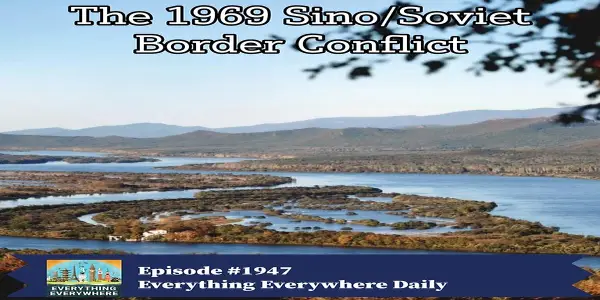
The 1969 Sino-Soviet Border Conflict: A Near Miss...
Bangladesh Seeks India's Assistance in...

Trump Appoints Special Envoy to Greenland,...
Ghanaian Lawmakers Discover New Opportunities in...
Intensified Clashes Erupt Between Afghan and...

Cuban Authorities Engage in Deadly Clash with...

Lessons from Ulysses S. Grant on Civil-Military...
South Africa's G20 Presidency: A Mixed Legacy of...

E.U. Ambassador to the U.S. Affirms Positive...
Denmark's Prime Minister Advocates for Stricter...
Oracle's Stance on Israel Sparks Controversy...
Israel Seeks Diplomatic Renewal with Bolivia...

Bhutan's Complex Relationship with India: A...

Comet 3I/ATLAS Continues to Mystify Scientists...
Trump Addresses Nuclear Testing, Government...

U.S. Lawmakers Express Concerns Over Trump...
Iraq's Parliamentary Elections: Key Insights...

Reddit Enhances App Performance with R8...
Inquiry Critiques Scottish Government's Covid-19...
Trump and Finnish President Stubb Forge Strong...