Oracle's Stance on Israel Sparks Controversy Among Employees
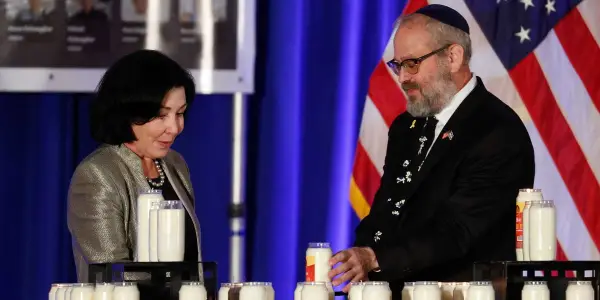
Oracle's unwavering support for Israel has sparked intense debate among employees, particularly amid its TikTok acquisition, raising questions about freedom ...
In-depth analysis
Background context
Oracle's firm support for Israel, articulated by its Executive Vice Chair Safra Catz, has sparked internal debate, particularly as the company prepares to acquire TikTok. This acquisition aims to address concerns about foreign influence on the platform, which is popular among young users often critical of geopolitical issues, including Israel's actions.
Key political implications
Oracle's strong political stance may redefine corporate engagement in geopolitical issues, prompting a reevaluation of employee expression rights in the tech sector and influencing public perception of corporate responsibility.
Who gains / who loses
Oracle's leadership may strengthen ties with pro-Israel stakeholders, enhancing its corporate image among certain investors. However, this stance risks alienating employees and users who advocate for diverse perspectives, potentially leading to internal dissent and user disengagement.
Possible future scenarios
Oracle might face mounting pressure to moderate its political stance as it integrates TikTok, balancing corporate identity with employee viewpoints. Alternatively, it could reinforce its position, risking backlash from users and stakeholders advocating for free speech.
Did you know?
Why you should know this
Oracle's stance on Israel directly influences the work culture and freedom of expression within its ranks, particularly as it acquires TikTok. For employees and users alike, this could mean a shift in how geopolitical discussions unfold on a platform frequented by young adults. Understanding these dynamics may impact how people engage with tech companies and their values.
Behind the political curtain
Despite being a global tech leader, Oracle's leadership has publicly stated that employees who disagree with its political stance on Israel might not fit in the company culture, a position that underscores the intersection of corporate loyalty and political affiliation in the tech world.
Ordinary person in an extraordinary situation
Meet Sarah, a 26-year-old Oracle employee who has always felt a strong connection to her Palestinian heritage. As she watched Safra Catz's recent comments, Sarah felt a deep unease. Her friends on TikTok often share differing views on the Israeli-Palestinian conflict, and she fears that Oracle's firm stance might stifle these conversations. Sarah finds herself at a crossroads, torn between her loyalty to her job and her commitment to her identity. She wonders if voicing dissent might jeopardize her position. This situation highlights a broader issue: how corporate politics can silence diverse voices, especially in a space meant for open dialogue like TikTok. For Sarah and many like her, the stakes are not just about corporate loyalty but about the freedom to express their beliefs in a rapidly changing world.
Expert Commentary

Nevada's Governor's Office Allegedly Intervened...

Exploring Intimacy and Isolation in Claire-Louise...
Japan Reacts Strongly to China's Travel Advisory...
Mamdani's Victory: A Turning Point for the...
Canada's Carney to Meet Xi in China, Signaling a...
Trump Addresses Nuclear Testing, Government...

Apple Achieves Unprecedented Financial Success in...
US Tariffs Impact Nuevo Leon's Steel Sector,...
Syria's Foreign Minister Visits China to...

The Fate of the Maquis in Star Trek: A Missed...

Baden Bower Reduces Pitch-to-Publish Timeline by...

Algeria Grants Pardon to Jailed Novelist Boualem...
Political Reactions to BBC Leadership Changes...

Kenya Urges Protection for Citizens Amid...
Democrats Celebrate Recent Wins Amidst Internal...
Jared Isaacman Renominated as NASA Administrator...
U.S. Extends Sanctions Relief as Syrian Leader...

Colombia's ELN Rebels Intensify Military Drills...

Lessons from Ulysses S. Grant on Civil-Military...

Exiled Russian Orthodox Leader Responds to Spying...

Reddit Enhances App Performance with R8...
Mamdani Emerges Victorious in NYC Mayoral Race...

NASA Unveils Stunning Images of Interstellar...

Bhutan's Complex Relationship with India: A...
Italy's Meloni Engages with Qatar Emir on Energy...
European Automakers Face New Chip Shortage as...
Bangladesh's Upcoming Election: Key Political...

The 1969 Sino-Soviet Border Conflict: A Near Miss...

Spain's Attorney General Convicted in...
Zohran Mamdani's Vision for Global Municipal...
Contradictory Signals from Trump and Rubio on...
Egypt Affirms Commercial Nature of Gas Agreement...

Japan Protests China's Travel Advisory Amid...

Revitalizing Relations: The Future of the...
Tarique Rahman's Homecoming: A Potential Turning...
Javier Milei's Victory Signals a Shift in...

Ireland Moves Forward with Bill Targeting Israeli...
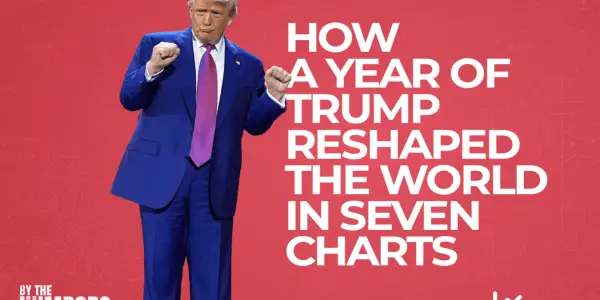
The Impact of Trump's Second Year: A Year of...
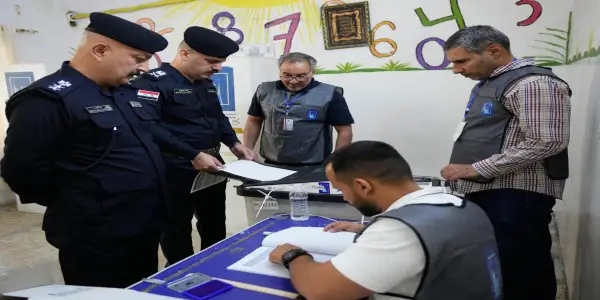
Iraq's Parliamentary Elections: Key Insights...
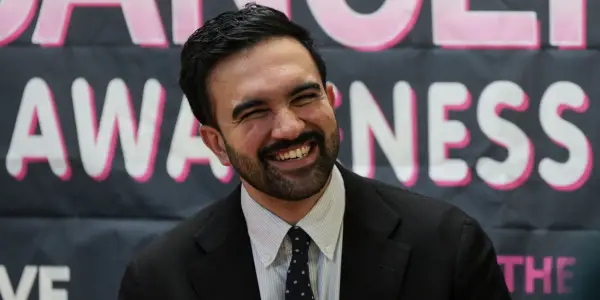
Zohran Mamdani Secures Victory in New York City...