India's Immigration Policies: A Tool for Silencing Dissent Among the Diaspora
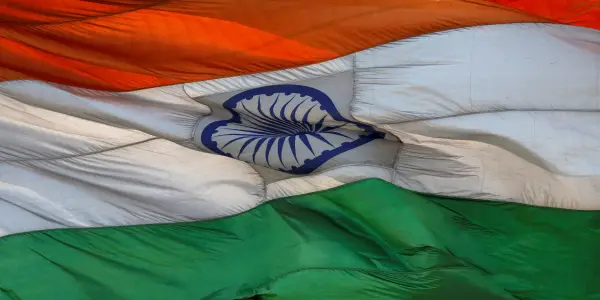
The Indian government is leveraging the threat of Overseas Citizen of India (OCI) cancellations to suppress critics abroad. This issue requires urgent attention.
In-depth analysis
Background context
The Indian government's increasing reliance on immigration controls to suppress dissent has raised alarms, particularly regarding the Overseas Citizen of India (OCI) status. This designation, held by over four million individuals globally, allows those of Indian origin to travel to India without a visa. Recent cases illustrate how revocations are being used against critics.
Key political implications
The use of OCI revocations to silence dissenters poses serious risks to democratic freedoms and human rights in India. It reflects a broader trend of repression that could further polarize the political landscape.
Who gains / who loses
The Indian government may gain short-term control over dissenting voices, bolstering its narrative. Conversely, critics, including academics and journalists, face significant losses, including restricted travel and diminished freedom of expression, impacting their ability to engage with their homeland.
Possible future scenarios
If the trend of OCI revocations continues, it may lead to increased international scrutiny and potential diplomatic tensions. Alternatively, a backlash from the diaspora could galvanize global support for human rights, prompting a reevaluation of the Indian government’s approach.
Did you know?
Why you should know this
Understanding the Indian government's use of immigration controls to silence dissent is crucial as it reveals a growing trend impacting millions globally. The revocation of OCI status can disrupt lives, sever family ties, and hinder the ability to advocate for change. For the Indian diaspora, this means navigating a new landscape where their connection to their homeland is threatened, raising questions about free speech and human rights.
Behind the political curtain
Under Section 7D of the Citizenship Act, the Indian government can revoke OCI status not only for criminal activities but also for mere political dissent. This provision allows for significant discretion, with the potential to silence critics without clear justification, raising concerns about transparency and fairness in governance.
Ordinary person in an extraordinary situation
Meet Aditi, a 32-year-old software engineer in London who recently learned her OCI status was revoked. Aditi’s family in Mumbai relies on her for support, and now she fears losing her ability to visit them. Despite being a strong advocate for equality and human rights, she feels trapped in a political game, torn between her identity as an Indian and her freedom to express her views. Her story highlights the emotional toll of governmental actions that prioritize control over community and connection. Aditi’s experience resonates with many in the diaspora, who grapple with the implications of a policy that threatens their ties to India and their right to voice dissent.
Expert Commentary

Revitalizing Relations: The Future of the...

European Automakers Face New Chip Shortage as...

Algeria Grants Pardon to Jailed Novelist Boualem...
Russian and Indian Foreign Ministers Convene...

Italy's Meloni Engages with Qatar Emir on Energy...


Czech President Appoints Billionaire Former Prime...

Challenges Faced by Costumes in 'Mighty Morphin...

Mark Carney Discusses Political Transition During...

AfD Leader Raises Concerns Over Potential Threats...

Golden Snub-Nosed Monkeys Make European Debut in...

Mamdani Emerges Victorious in NYC Mayoral Race...

The Rise of Technocracy in Modern Governance

Nevada's Governor's Office Allegedly Intervened...

U.S. Lawmakers Express Concerns Over Trump...

Cuban Authorities Engage in Deadly Clash with...

Apple Achieves Unprecedented Financial Success in...
South Korea Initiates First Military Talks with...

Cuba Rejects U.S. Security Threat Claims Amid...

Examining Trump's Claims of Resolving Conflicts:...
Texas Governor Abbott Designates CAIR as a...

Saudi Crown Prince Mohammed bin Salman Set for...

Jared Isaacman Renominated as NASA Administrator...

Switzerland Faces Economic Challenges Amid U.S....

Canada and China Take Steps Toward Repairing...

Indian Trade Unions Rally Against New Labour...

Isaac Asimov's Perspective on Star Trek: A Sci-Fi...
Six Finalists Announced for the 2026...

Zohran Mamdani's Vision for Global Municipal...

Hungarian Prime Minister Viktor Orban Engages...

Ireland Moves Forward with Bill Targeting Israeli...

Egypt Affirms Commercial Nature of Gas Agreement...

Kenya Urges Protection for Citizens Amid...
Khamenei Assassination: A Pivotal Shift in...
Jim Avila, Esteemed ABC News Correspondent, Dies...

European Allies Stand Firm with Denmark Amid U.S....
South Korea Rebuilds Trust and Reassesses Foreign...

Canada Decides Against Public Disclosure of Nazi...

The 1969 Sino-Soviet Border Conflict: A Near Miss...
Syria's Foreign Minister Visits China to...