Bolivia Poised to Elect Its First Non-Leftist President in Two Decades
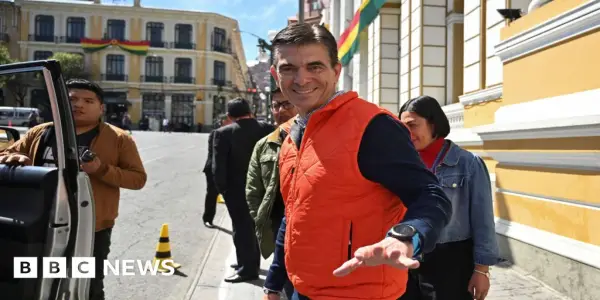
Bolivia is set to elect its first non-leftist president in nearly two decades, with Rodrigo Paz Pereira leading a campaign focused on economic growth and ant...
In-depth analysis
Background context
Bolivia is poised to elect its first non-leftist president in nearly two decades, signaling a departure from the long-standing socialist governance of the Movimiento al Socialismo (MAS) party. Rodrigo Paz Pereira, from the Christian Democratic Party, is leading the polls, promising a focus on economic reforms and anti-corruption measures amid a challenging economic landscape.
Key political implications
The election of a non-leftist president could recalibrate Bolivia's political landscape, potentially easing tensions with the United States and altering the country's foreign policy dynamics.
Who gains / who loses
Rodrigo Paz Pereira stands to gain significant political capital and support from voters disillusioned with the MAS party, while the incumbent president, Luis Arce, and his party face potential losses, reflecting widespread dissatisfaction with their handling of economic issues.
Possible future scenarios
If elected, Paz Pereira may implement economic reforms that prioritize regional governance and anti-corruption, reshaping Bolivia's domestic policies and international relations, particularly with Western nations.
Did you know?
Why you should know this
The outcome of Bolivia's election could directly impact daily life for its citizens, especially regarding economic stability. If Rodrigo Paz Pereira implements his plans for resource redistribution and anti-corruption measures, it may lead to improved access to credit and lower prices. This shift could alleviate the burdens of inflation and fuel shortages that currently affect families trying to make ends meet.
Behind the political curtain
Despite being a country rich in natural resources, Bolivia ranks among the poorest in South America, with over 30% of its population living below the poverty line. This stark statistic highlights the disconnect between resource wealth and economic opportunity, a key issue that Paz Pereira aims to address.
Ordinary person in an extraordinary situation
Meet Juliana, a single mother from La Paz who works two jobs to support her three children. The rising cost of living has forced her to choose between essential groceries and school supplies. Juliana is among many Bolivians feeling the strain of the economic crisis. As she votes for a new leader, she hopes that Paz Pereira's promise of 'capitalism for all' will create jobs and make life more affordable. The stakes are high for her family; they need real change to escape the cycle of poverty. Her story illustrates the everyday struggle that many Bolivians face, making this election not just a political event, but a pivotal moment for the future of countless households.
Expert Commentary
Trump Reverses Stance on Greenland After UK...

Baden Bower Reduces Pitch-to-Publish Timeline by...
Zohran Mamdani Secures Victory in New York City...

Japan Protests China's Travel Advisory Amid...

Bhutan's Complex Relationship with India: A...
Trump Appoints Special Envoy to Greenland,...
Trump and Finnish President Stubb Forge Strong...

US Passport Ranking Dips to Lowest Level in...
Pope Leo Embarks on First International Trip to...
Cuba Rejects U.S. Security Threat Claims Amid...

AfD Leader Raises Concerns Over Potential Threats...

Armenian Deputy Foreign Minister Visits Israel...
Inquiry Critiques Scottish Government's Covid-19...
Cuban Authorities Engage in Deadly Clash with...
Trump's Influence Crucial for Sustaining Gaza...
Canada's Carney to Meet Xi in China, Signaling a...
Zohran Mamdani's Vision for Global Municipal...

Boeing 777X: The Long Wait for Innovation and...
New Yorkers Kick Off Early Voting for Mayoral...

Trump Considers Tomahawk Missile Support for...
Khamenei Assassination: A Pivotal Shift in...

The Role of Palestinian Statehood in Advancing...

Trump to Engage with Syrian Leader Following...

The Foundation of Friendship: Understanding...
Understanding Donald Trump’s Vision of Military...

Regulatory Frameworks Needed for AI in Mental...
Lessons from Ulysses S. Grant on Civil-Military...
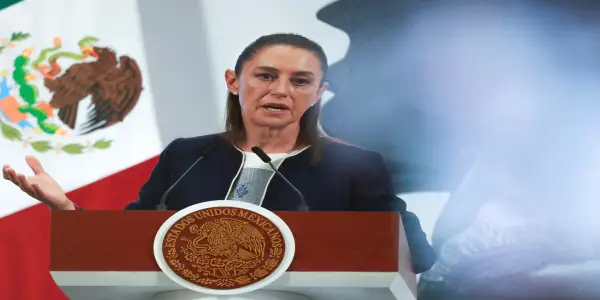
US Tariffs Impact Nuevo Leon's Steel Sector,...
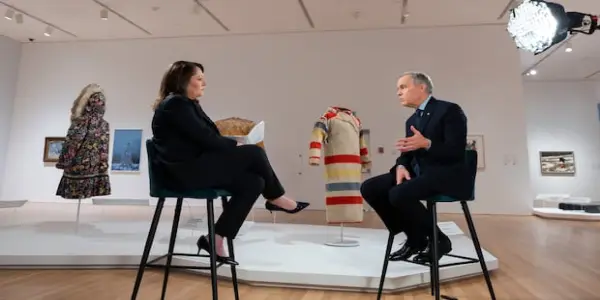
Mark Carney Discusses Political Transition During...

Challenges Faced by Costumes in 'Mighty Morphin...
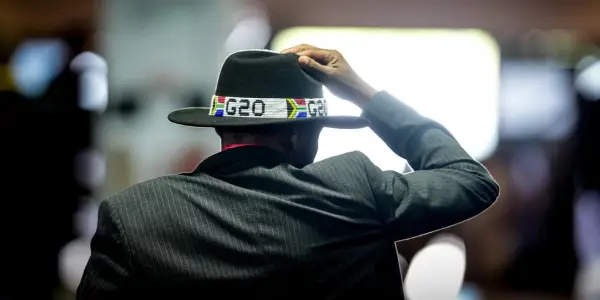
South Africa's G20 Presidency: A Mixed Legacy of...
South Korea Initiates First Military Talks with...

Saudi Crown Prince's Invitation to the White...

UK Officials Under Scrutiny Following Collapse of...
Jared Isaacman Renominated as NASA Administrator...

Trump's Bold Foreign Policy Yields Progress in...
Japan Reacts Strongly to China's Travel Advisory...

NASA Unveils Stunning Images of Interstellar...
Texas Governor Abbott Designates CAIR as a...
Political Reactions to BBC Leadership Changes...