North Korea's Strategic Investment in Women's Youth Football
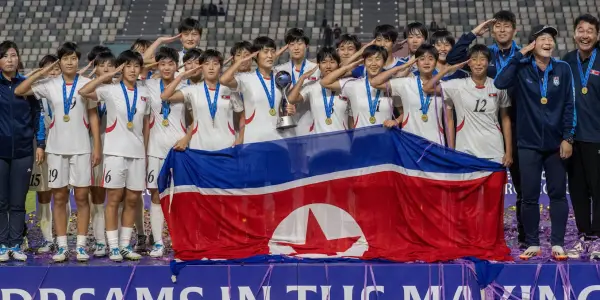
North Korea secures its fourth consecutive Under-17 World Cup title in women's youth football, showcasing a commitment to gender equality and athlete develop...
In-depth analysis
Background context
North Korea has a long-standing tradition of promoting women's football as a means to foster gender equality and national pride. Since the late 1990s, the regime has invested in football development, integrating training into schools and forming military teams. This commitment has produced a strong youth program, culminating in multiple Under-17 World Cup victories.
Key political implications
The success of North Korea's women's youth football team serves as a tool for the regime to enhance its international image and promote national unity, even amid ongoing global isolation.
Who gains / who loses
North Korean athletes, particularly young female players, gain recognition and support through their international successes, while the regime benefits from the positive publicity. Conversely, ongoing UN sanctions hinder the athletes' opportunities to compete professionally abroad, limiting their growth.
Possible future scenarios
Should North Korea continue its dominance in youth football, it may leverage this success to improve its senior teams' international standing. However, without addressing external sanctions, the potential for broader development remains uncertain.
Did you know?
Why you should know this
North Korea's dominance in women's youth football reflects a significant investment in gender equality and sports development, which impacts how the nation is viewed globally. With young athletes like Yu Jong-hyang rising to prominence, their success could inspire girls in other countries to pursue sports despite societal barriers. Understanding this victory sheds light on the intersection of sports, politics, and cultural identity, which affects international relations and local aspirations.
Behind the political curtain
North Korea's focus on women's football can be traced back to the late 1990s, when the government recognized the sport as a means to enhance national pride and promote gender equality, a surprising shift given the country's broader political context.
Ordinary person in an extraordinary situation
Meet Hye-jin, a 15-year-old girl from Pyongyang who dreams of following in the footsteps of her football idols. Inspired by the Under-17 World Cup victory, she trains daily, despite limited resources. Hye-jin views football not just as a sport, but as a potential escape from the confines of her environment, a way to express herself and connect with others. For her, the achievements of the national team symbolize hope and possibility in a country where opportunities are scarce. Hye-jin's journey highlights the profound impact of these victories on young girls, encouraging them to envision a future where they can redefine their roles in society.
Canada and China Take Steps Toward Repairing...
Italy's PM Meloni Responds Firmly to Trump's...

Apple Achieves Unprecedented Financial Success in...
Bangladesh's Upcoming Election: Key Political...
Armenian Deputy Foreign Minister Visits Israel...

Comet 3I/ATLAS Continues to Mystify Scientists...

EA Raises Concerns Over Sale to Saudi Arabia's...
Mamdani's Victory: A Turning Point for the...
Exiled Russian Orthodox Leader Responds to Spying...
Hungarian Prime Minister Viktor Orban Engages...
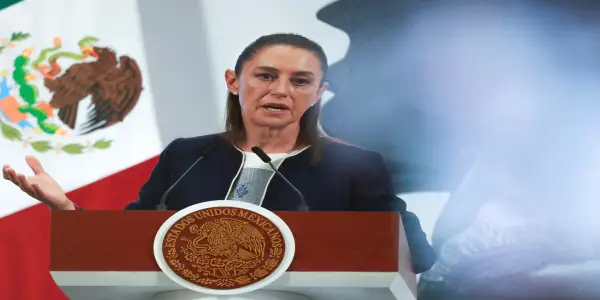
US Tariffs Impact Nuevo Leon's Steel Sector,...

Colombia's ELN Rebels Intensify Military Drills...
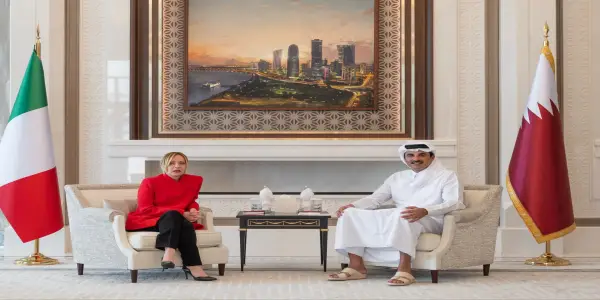
Italy's Meloni Engages with Qatar Emir on Energy...
Jim Avila, Esteemed ABC News Correspondent, Dies...
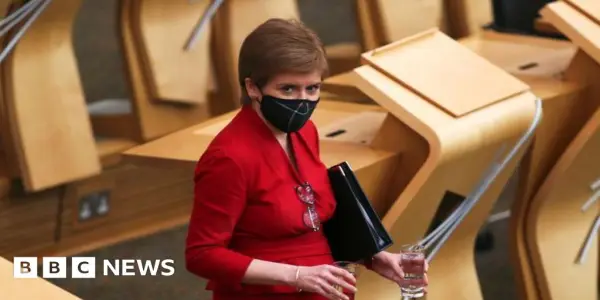
Inquiry Critiques Scottish Government's Covid-19...

Nevada's Governor's Office Allegedly Intervened...

WWE Raw Recap: Titles Change Hands in Thrilling...

The Legacy of French Colonialism: Language and...
Six Finalists Announced for the 2026...
Germany Resumes Arms Exports to Israel Amid...
South Korea Initiates First Military Talks with...
European Allies Stand Firm with Denmark Amid U.S....
The Role of Palestinian Statehood in Advancing...
Saudi Crown Prince's Invitation to the White...

Is the U.S. Reassessing Its Stance on Israel...
Czech President Appoints Billionaire Former Prime...
Japan Protests China's Travel Advisory Amid...

US-South Korea Agreement to Develop...
Syria's Foreign Minister Visits China to...

The Evolving Landscape of Copyright Enforcement...

Spain's Attorney General Convicted in...
Zohran Mamdani Secures Victory in New York City...
The Impact of Trump's Second Year: A Year of...

Trump Appoints Special Envoy to Greenland,...

Lessons from Ulysses S. Grant on Civil-Military...
Contradictory Signals from Trump and Rubio on...
Examining Trump's Claims of Resolving Conflicts:...

New Advocacy Report Urges Action Against Child...
South Korea Rebuilds Trust and Reassesses Foreign...