Amazon Security Chief Warns of Cyber Operations Preceding Military Strikes
Amazon's Chief Security Officer highlights the rise of cyber tactics in modern warfare, urging companies to integrate digital and physical security amid evol...
In-depth analysis
Background context
The rise of cyber warfare has transformed the nature of military strategy, with state-sponsored cyber operations becoming increasingly common. Nations like Iran and Russia have utilized cyber tactics to gather intelligence and prepare for physical military actions, marking a significant shift from traditional warfare models. This evolution poses new challenges for private enterprises.
Key political implications
The integration of cyber tactics into military strategies complicates international relations and raises concerns about national security. Countries must navigate a landscape where digital and physical threats are intertwined, necessitating stronger defensive measures.
Who gains / who loses
Nations employing advanced cyber tactics may gain strategic advantages by enhancing their military capabilities through intelligence gathering. Conversely, private enterprises in vulnerable sectors like shipping and manufacturing face increased risks, potentially suffering from disruptions and security breaches.
Possible future scenarios
As cyber warfare continues to evolve, businesses may increasingly find themselves on the front lines of geopolitical conflicts. Enhanced collaboration between nations could lead to more coordinated cyber operations, further blurring the lines between digital and physical security.
Did you know?
Why you should know this
The convergence of cyber warfare and traditional military tactics poses real risks to everyday businesses. For example, a shipping company might unknowingly find its operations targeted by state-sponsored cyber attacks that precede physical strikes. Understanding these dynamics is crucial for companies to safeguard their infrastructure and supply chains, impacting everything from product availability to consumer prices.
Behind the political curtain
Surprisingly, the Iranian Revolutionary Guard Corps has developed cyber tactics that enable them to gather critical shipping intelligence, which they then use to inform military strikes. This blending of cyber and conventional warfare is a tactic not typically associated with traditional military engagement.
Ordinary person in an extraordinary situation
Consider Maria, a logistics manager at a shipping company in California. Every day, she ensures goods are transported efficiently across the globe. However, after learning about cyber threats linked to military operations, she feels an unsettling weight on her shoulders. Maria's role has shifted from merely managing shipments to safeguarding data and infrastructure that could be targeted in a geopolitical conflict. The stakes have risen, and what was once a straightforward job now intertwines with national security. This new reality forces her to advocate for better training and resources within her company, highlighting the need for every employee to understand the broader implications of their work. Maria represents countless others who, like her, are now on the front lines of an invisible war, navigating threats that blend technology and traditional conflict.

Bhutan's Complex Relationship with India: A...

Reddit Enhances App Performance with R8...

Oracle's Stance on Israel Sparks Controversy...

Political Reactions to BBC Leadership Changes...

Trump Appoints Special Envoy to Greenland,...

New Advocacy Report Urges Action Against Child...

Japan Protests China's Travel Advisory Amid...
Colombia's ELN Rebels Intensify Military Drills...

The Foundation of Friendship: Understanding...

Indian Trade Unions Rally Against New Labour...

Bangladesh Seeks India's Assistance in...
The Role of Palestinian Statehood in Advancing...

Trump Considers Tomahawk Missile Support for...

The 1969 Sino-Soviet Border Conflict: A Near Miss...
Geopolitical Tensions Surround Palau Amid...

Inquiry Critiques Scottish Government's Covid-19...

Canada Decides Against Public Disclosure of Nazi...
South Korea Initiates First Military Talks with...

Australia Seizes Opportunity in U.S.-China Rare...
Intensified Clashes Erupt Between Afghan and...

Zohran Mamdani's Vision for Global Municipal...

Trump's Bold Foreign Policy Yields Progress in...
Trump to Engage with Syrian Leader Following...
Analyzing Trump's Latin America Strategy Amid...
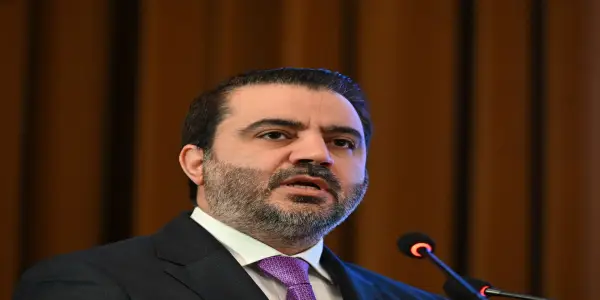
Syria's Foreign Minister Visits China to...

Exiled Russian Orthodox Leader Responds to Spying...

NFL Players Union Faces Grievance Over Annual...

Mark Carney Discusses Political Transition During...
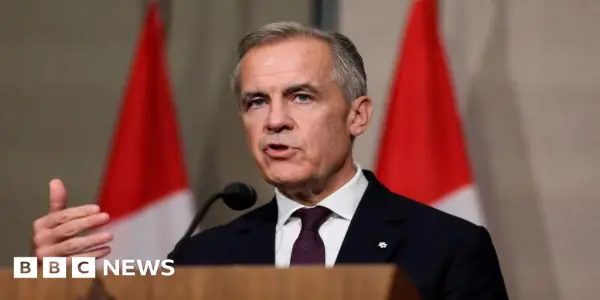
Canada's Carney to Meet Xi in China, Signaling a...

Pope Leo Embarks on First International Trip to...
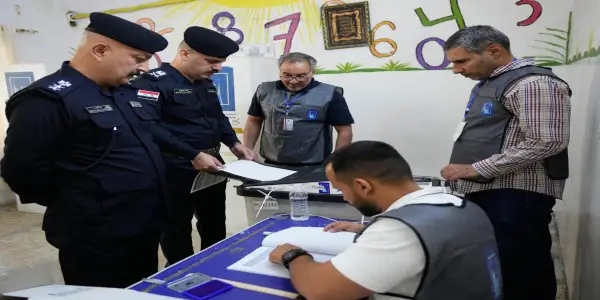
Iraq's Parliamentary Elections: Key Insights...

U.S. Lawmakers Express Concerns Over Trump...

Ireland Moves Forward with Bill Targeting Israeli...

The Israel-Hamas Ceasefire: A Critical Moment...
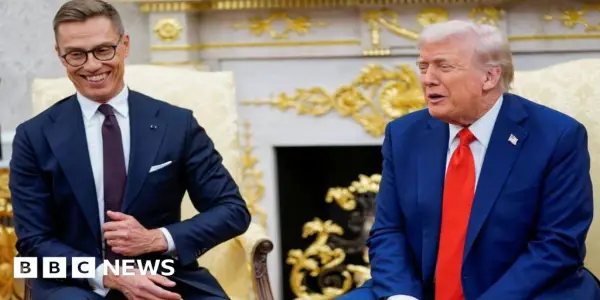
Trump and Finnish President Stubb Forge Strong...

Javier Milei's Victory Signals a Shift in...

Cuban Authorities Engage in Deadly Clash with...

South Africa's G20 Presidency: A Mixed Legacy of...

Understanding Donald Trump’s Vision of Military...
Jim Avila, Esteemed ABC News Correspondent, Dies...