U.S. Delegates Challenge Gender Terminology at the United Nations Amidst Trump Administration Policies
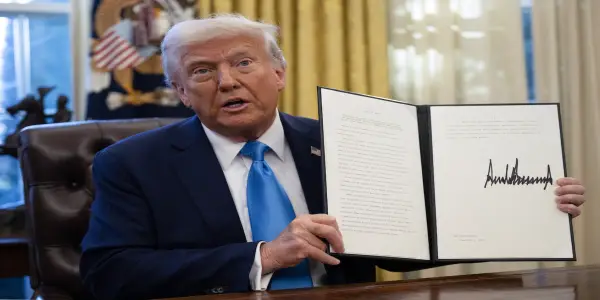
The Trump administration's representatives at the U.N. have raised objections to the use of 'gender' in international documents, reflecting ongoing tensions in global discussions on gender identity.
In-depth analysis
Background context
The U.S. has historically influenced global standards on gender and human rights. Recently, however, the Trump administration's opposition to the term 'gender' signifies a shift towards a more traditional binary perspective, moving away from the inclusive policies of previous administrations that recognized diverse gender identities.
Key political implications
The U.S. stance on gender terminology at the U.N. could reshape international human rights norms, potentially leading to a global environment where restrictive policies against non-binary and transgender identities gain traction.
Who gains / who loses
Supporters of the administration's view may gain a stronger foothold in international discussions, while marginalized groups, particularly transgender and non-binary individuals, are at risk of increased discrimination and diminished recognition of their rights on a global scale.
Possible future scenarios
Continued U.S. resistance to inclusive language may lead to prolonged negotiations at the U.N., with potential ripple effects prompting other nations to adopt similar restrictive policies, further complicating global human rights efforts.
Did you know?
Why you should know this
The U.S. stance on gender at the United Nations could shape policies that directly affect people's lives. These discussions dictate how gender identity is recognized globally, influencing everything from anti-discrimination laws to healthcare access. As international standards evolve, the implications can trickle down to local communities, affecting the rights and recognition of individuals who do not fit traditional gender norms.
Behind the political curtain
In 2018, the Trump administration proposed redefining gender based solely on biological attributes, a move that surprised many within the U.N. community who had expected the U.S. to continue its historical role as a champion for broader human rights, including gender inclusivity.
Ordinary person in an extraordinary situation
Consider Jamie, a 26-year-old non-binary individual from Ohio, who has spent years advocating for LGBTQ+ rights. Jamie feels the weight of the U.S. delegation's recent actions, fearing that a restrictive definition of gender could lead to increased discrimination both at home and abroad. Jamie recalls a recent encounter at a health clinic where inclusive language made them feel seen and validated. With these new policies, Jamie worries that similar environments could dwindle, leaving many like them vulnerable and marginalized. The emotional toll of navigating a world that shifts toward exclusion is profound, affecting not just Jamie, but countless others who find strength and identity in a more expansive understanding of gender.
Expert Commentary

Challenges Faced by Costumes in 'Mighty Morphin...
Saudi Crown Prince's Invitation to the White...

New Yorkers Kick Off Early Voting for Mayoral...
Cuba Rejects U.S. Security Threat Claims Amid...
US Tariffs Impact Nuevo Leon's Steel Sector,...
Czech President Appoints Billionaire Former Prime...
AfD Leader Raises Concerns Over Potential Threats...

Bangladesh's Upcoming Election: Key Political...

Egypt Affirms Commercial Nature of Gas Agreement...
The Impact of Trump's Second Year: A Year of...
Canada and China Take Steps Toward Repairing...

New Advocacy Report Urges Action Against Child...
Trump Addresses Nuclear Testing, Government...
Exiled Russian Orthodox Leader Responds to Spying...
Germany Resumes Arms Exports to Israel Amid...

Canada Decides Against Public Disclosure of Nazi...

Nevada's Governor's Office Allegedly Intervened...

Lessons from Ulysses S. Grant on Civil-Military...
U.S. Extends Sanctions Relief as Syrian Leader...
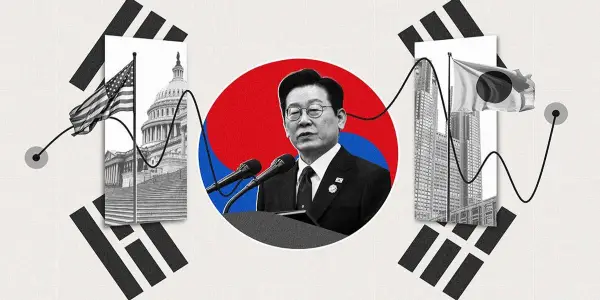
South Korea Rebuilds Trust and Reassesses Foreign...

Misjudgments in Military Strategy: The Lessons...

Geopolitical Tensions Surround Palau Amid...
Six Finalists Announced for the 2026...
NFL Players Union Faces Grievance Over Annual...

Jetpack Navigation 3 Achieves Stability for...
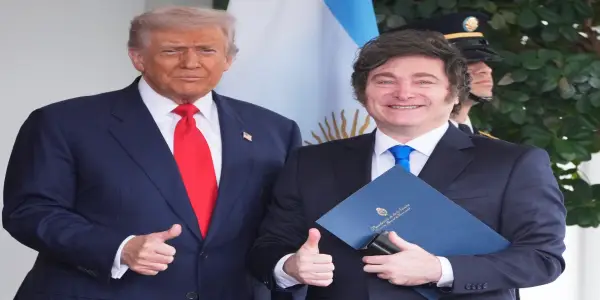
Javier Milei's Victory Signals a Shift in...
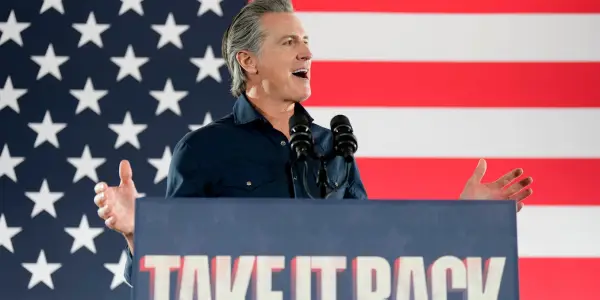
Democrats Celebrate Recent Wins Amidst Internal...
Bangladesh's International Crimes Tribunal...
Syria's Foreign Minister Visits China to...
Examining Trump's Claims of Resolving Conflicts:...
China's Shift to a Cautious Research Strategy...

Algeria Grants Pardon to Jailed Novelist Boualem...

WWE Raw Recap: Titles Change Hands in Thrilling...

Indian Trade Unions Rally Against New Labour...
Is the U.S. Reassessing Its Stance on Israel...

Comet 3I/ATLAS Continues to Mystify Scientists...

The Legacy of French Colonialism: Language and...

Cuban Authorities Engage in Deadly Clash with...
The Rise of Technocracy in Modern Governance
Italy's PM Meloni Responds Firmly to Trump's...