This Week in Science: Insights on Comet 3I/ATLAS, Unexplained Gravity Anomaly, and AI's Viral Innovations
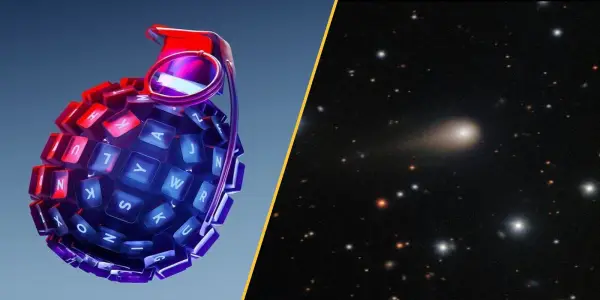
Oct. 11, 2025: A comprehensive review of the week's significant scientific discoveries, including the intriguing origins of comet 3I/ATLAS, a peculiar gravity anomaly detected in Africa, and the implications of AI-generated viruses.
In-depth analysis
New discoveries
Recent research has unveiled that comet 3I/ATLAS may have originated from the galaxy's outer regions, potentially dating back billions of years. Additionally, a gravity anomaly detected across Africa suggests new geological processes deep within the Earth’s core, challenging existing models of our planet's inner structure.
Mission updates
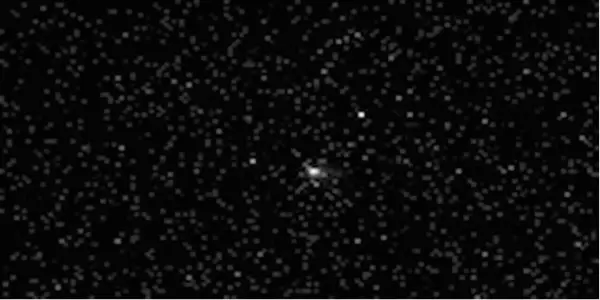
The European Space Agency has intensified its observation of comet 3I/ATLAS, employing its Mars spacecraft to capture unprecedented images that reveal vital details about the comet's composition, including water vapor.
Who is affected
The implications of these discoveries extend to various stakeholders, including scientists, policymakers, and communities vulnerable to climate change. As extreme weather events escalate, understanding cosmic and geological phenomena becomes crucial for developing effective disaster response strategies.
Next steps
Going forward, researchers will focus on analyzing the data collected from both the comet and the gravity anomaly. Additionally, discussions regarding the ethical use of AI in scientific research will be prioritized to ensure responsible innovation.
Did you know?
Why we should care
Understanding celestial bodies like comet 3I/ATLAS and gravitational anomalies on Earth isn't just for scientists in labs; it has real implications for our daily lives. For instance, insights from these studies could inform climate models, helping communities prepare for extreme weather. Additionally, advancements in AI could lead to breakthroughs in medicine or agriculture, but they also require vigilance to ensure safety in their application.
The universe's unsolved mystery
The origin of comet 3I/ATLAS challenges our perceptions of interstellar travel and the formation of celestial bodies. If this comet indeed comes from the galaxy's fringes, it raises questions about the dynamics of space and time. What other ancient cosmic travelers are out there, waiting to rewrite our understanding of the universe?
The person who looks at the stars
Meet Dr. Mira Patel, an astrophysicist who has spent her life gazing at the night sky. Growing up in a small town, she would often camp out with her father, marveling at the stars. Now, she leads a team studying comet 3I/ATLAS. For Mira, this comet represents more than just a scientific specimen; it's a link to the universe's history, one that inspires her to teach children about the cosmos. She hopes that by sharing her passion, young minds will dream big and explore the mysteries of space, just as she once did with her father. Every discovery fuels her belief that the stars hold answers to questions we haven't yet thought to ask.
Expert Commentary

Czech Startup Zaitra Pioneers AI-Driven Satellite...

OnePlus 15 vs. Samsung Galaxy S25 Plus: A Clash...
Boeing's Upcoming Starliner Mission Set for April...
Astrophotographer Captures Stunning Image of...
China's Tianwen-3 Mission: A Potential Rival in...
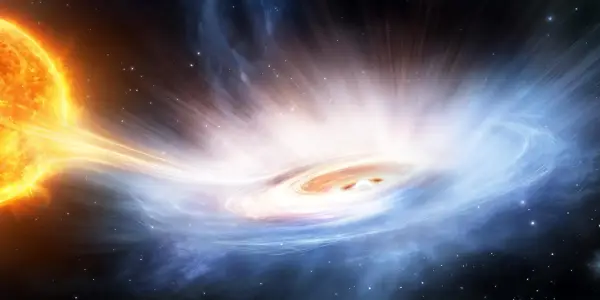
Unusual Wind from Neutron Star Challenges Space...
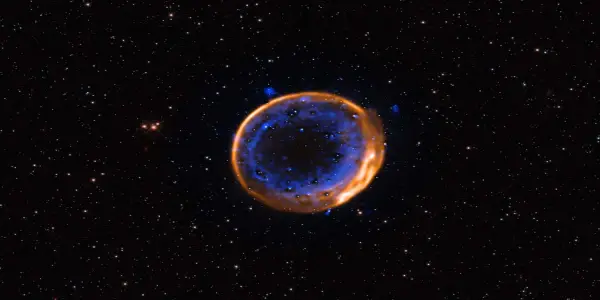
Highlights of 2025 in Space Exploration: From...
Unistellar eQuinox 2 Smart Telescope Sees...
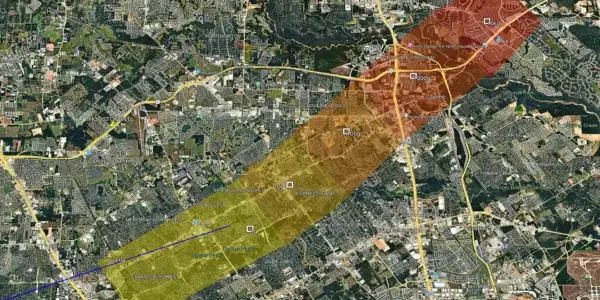
Meteorite Fragment May Have Impacted Houston Home
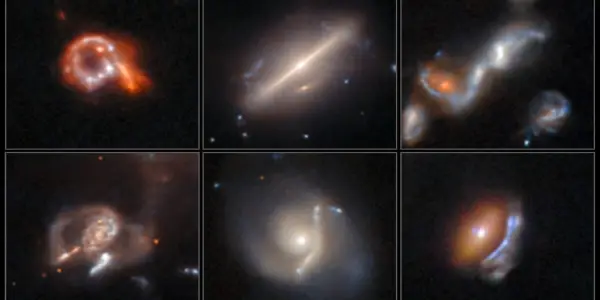
AI Reveals Over 800 New Cosmic Anomalies from...
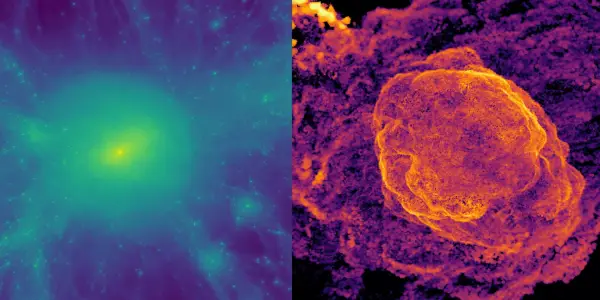
New Simulations Shed Light on the Enigmatic...
Congress Questions NASA's Facility Closures Amid...
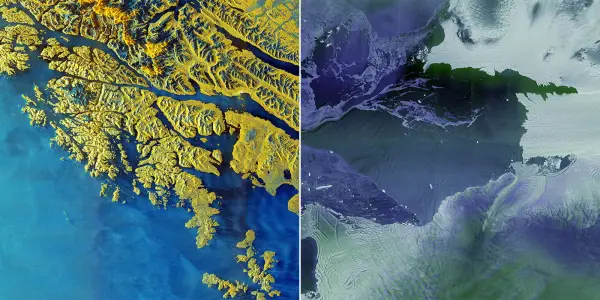
European Space Agency Unveils Stunning Radar...
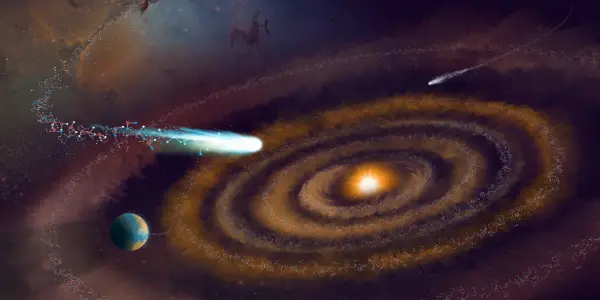
Astronomers Identify Ancient Water in...
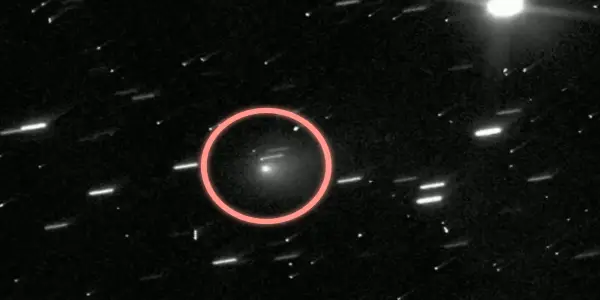
Interstellar Comet 3I/ATLAS Reveals Water...
Breakthrough in Milky Way Simulation Using AI...
Potential Alien Disclosure May Trigger Bitcoin...
Australia's SpIRIT Nanosatellite Captures First...

MiHoYo Expands Ambitions with New MMO Project...
Discovery of Betelgeuse's Companion Star Unveiled
New Mexico Startup Unveils Ambitious Plan to...
Astrophysicists Unveil Dark Universe Through...
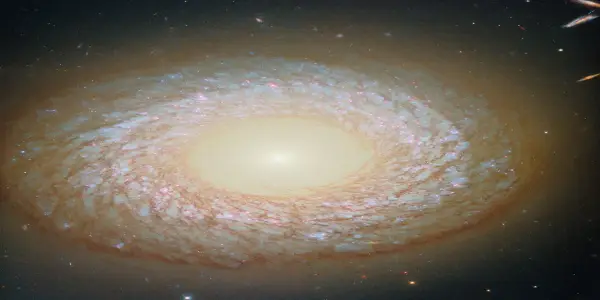
Hubble Telescope Unveils Enigmatic Galaxy NGC 2775
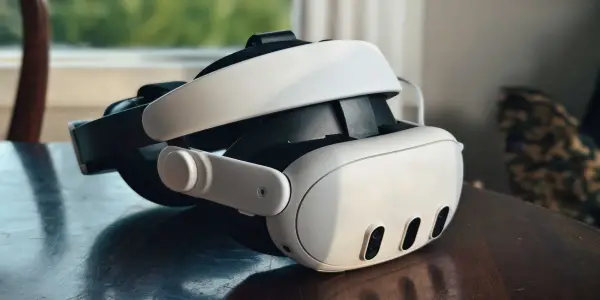
Exploring Alternatives to the Meta Quest 3 Elite...
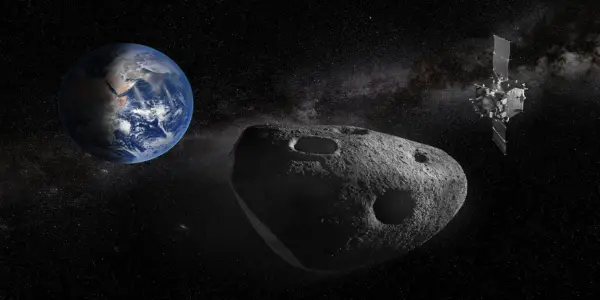
European Space Agency Enhances Collaboration with...
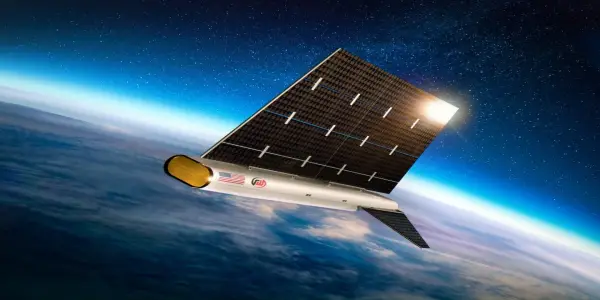
SabreSat: An Innovative Air-Breathing Satellite...
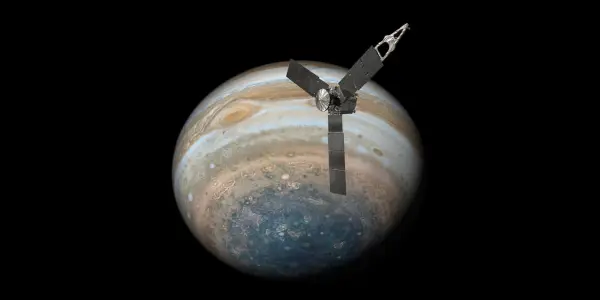
Juno's Mission Status in Question Amid Government...
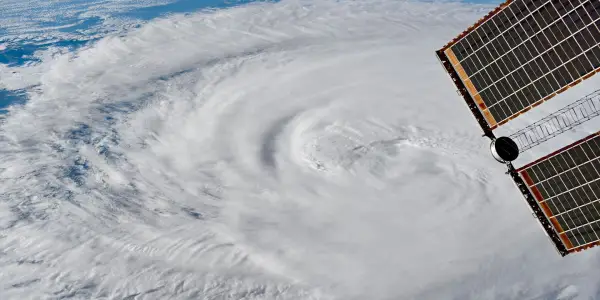
Japanese Astronaut Observes Typhoon Activity from...
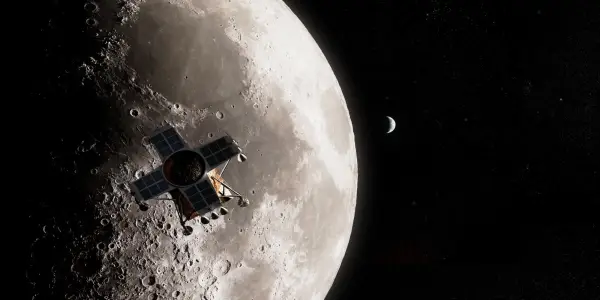
Impulse Space Enters Lunar Exploration: New...
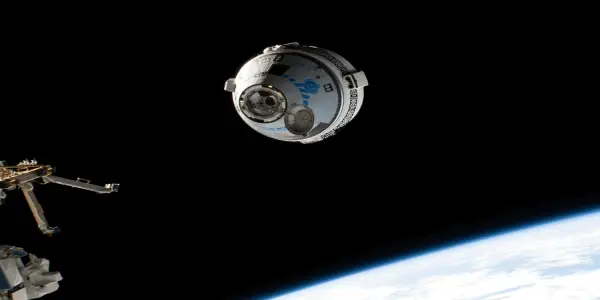
NASA Faces Scrutiny Over Boeing Starliner...

The Slitheen Return in 'Doctor Who' Comic Series...
Expansion of Earth’s Magnetic Field Weak Spot...
Exploring the Best Online Resources for Stunning...
Starlink Satellites Make Headlines as They Fall...
The Pleiades Star Cluster Reveals Its Extensive...
Samsung Galaxy S26 Expected to Feature Enhanced...
Artemis 2 Astronauts Safely Return After Historic...
NASA's Ambitious Timeline for Human Exploration...
Exploring the James Webb Space Telescope: A $13...
China's Mars Orbiter Captures Image of...