Interstellar Comet 3I/ATLAS Reveals Water Emission, Offering Insights into Cosmic Chemistry
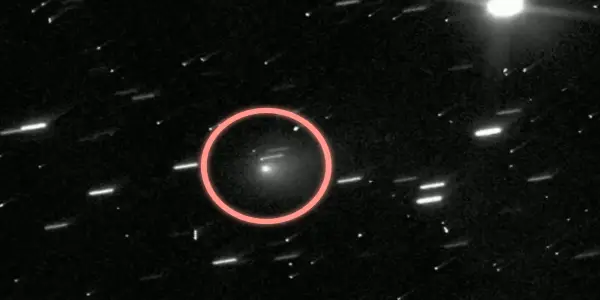
A groundbreaking study has identified water leakage from the interstellar comet 3I/ATLAS, shedding light on the chemical processes of distant planetary systems.
In-depth analysis
New discoveries
The interstellar comet 3I/ATLAS has been found to emit water at an extraordinary rate, comparable to a 'fire hose.' This groundbreaking observation marks the first confirmed detection of water from an interstellar object, highlighting the comet's unique chemical properties and challenging previous assumptions about the formation of celestial bodies beyond our solar system.
Mission updates
Recent observations from NASA's Swift Observatory have successfully captured the water emissions from 3I/ATLAS, revealing its unexpected activity level. The comet was also detected by European Space Agency's Mars orbiters in early October.
Who is affected
This discovery impacts the astronomical community, particularly researchers studying the origins of comets and planetary systems. It also offers insights into the potential for life's building blocks to exist beyond our solar system, which may influence future explorations and studies of extraterrestrial environments.
Next steps
The European Space Agency plans to utilize its Jupiter Icy Moons Explorer (JUICE) to observe 3I/ATLAS during its closest approach to the Sun in November, aiming to gather additional data on the comet's behavior and activity.
Did you know?
Why we should care
The discovery of water from the interstellar comet 3I/ATLAS isn't just a scientific curiosity; it has profound implications for understanding life's potential beyond Earth. As this comet sheds water at an unprecedented rate, it raises questions about the building blocks of life in other solar systems. For everyday people, this means that our quest to find extraterrestrial life is gaining momentum, potentially reshaping our understanding of our place in the universe.
The universe's unsolved mystery
3I/ATLAS embodies the enigma of the cosmos, challenging our assumptions about the formation and evolution of celestial bodies. While previous interstellar visitors have shown distinct characteristics, this comet's unexpected water activity suggests a complex history that may rewrite textbooks. What other secrets lie in the vast expanse beyond our solar system remains an open question, sparking curiosity and research in astrophysics.
The person who looks at the stars
Meet Anya Patel, a passionate amateur astronomer who spends her evenings on her rooftop, gazing through her telescope. When she learned about the water emissions from 3I/ATLAS, she felt a renewed sense of wonder. For Anya, the comet represents more than just a celestial phenomenon; it symbolizes humanity's relentless pursuit of knowledge. Each night under the stars, she imagines what lies beyond, hoping that discoveries like this might one day lead to answers about life on other planets. Anya dreams of a future where humanity connects with the universe in ways previously thought impossible, inspired by the idea that, perhaps, we are not so alone.
Expert Commentary
Potential Evidence of Dark Matter Emerges from...
NASA and Blue Origin Successfully Launch Dual...
Astronomers Discover Eerie 'Cosmic Bat' Nebula in...
The Pleiades Star Cluster Reveals Its Extensive...
Meteorite Fragment May Have Impacted Houston Home
Charlotte: The Lunar 3D Printer Poised to...
AI Reveals Over 800 New Cosmic Anomalies from...

Moss Endures Nine Months in the Vacuum of Space
Juno's Mission Status in Question Amid Government...
Hubble Telescope Unveils Enigmatic Galaxy NGC 2775
NASA and European Partners Prepare for...
This Week in Science: Insights on Comet 3I/ATLAS,...

MiHoYo Expands Ambitions with New MMO Project...
This Week In Space Podcast: Episode 187 Explores...
SabreSat: An Innovative Air-Breathing Satellite...
Australia's SpIRIT Nanosatellite Captures First...
Unraveling the Mysteries of Mars: Recent...

Exploring Alternatives to the Meta Quest 3 Elite...
Mapping the Invisible: Astronomers Uncover Dark...
Astronomers Uncover a Rapid Star-Forming Galaxy...
The Dwarf III Smart Telescope: A Compact Marvel...
James Webb Space Telescope May Have Detected the...
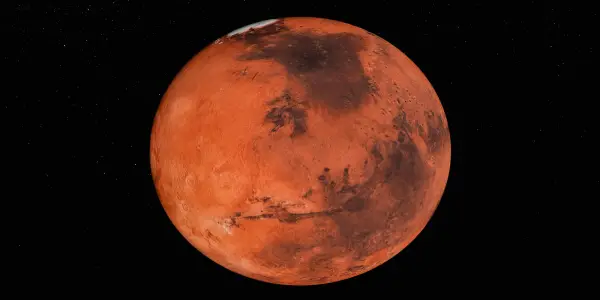
NASA's Ambitious Timeline for Human Exploration...
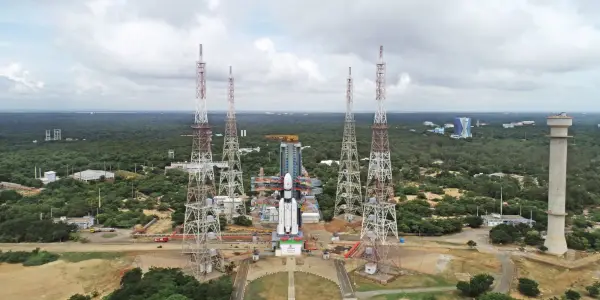
India Successfully Launches CMS-03 Military...
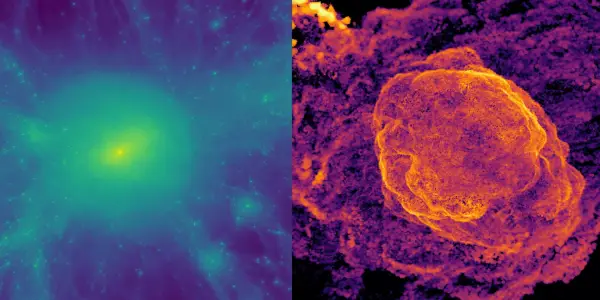
New Simulations Shed Light on the Enigmatic...

Lenovo's Legion Tab Gen 3 Sees Significant Black...

MIT Researchers Uncover Ancient Traces of...
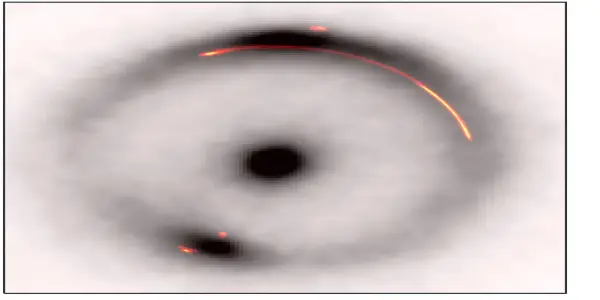
Astronomers Capture Evidence of Dark Matter's...
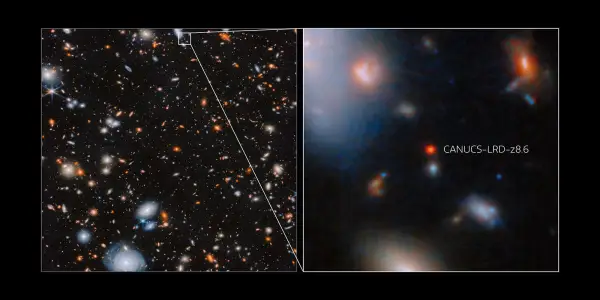
James Webb Telescope Identifies Rapidly Growing...
NASA's Upcoming Roman Space Telescope Set to...

Affordable Fitness Tracking: The Amazfit Active 2...
Exploring the Best Online Resources for Stunning...

Senegal Joins Artemis Accords, Expanding...
Research Reveals Mars' Windy Conditions Could...

First Direct Imaging of a Protoplanet in a Star's...
SpaceX Set to Launch NASA's Pandora Exoplanet...

FULU Foundation Introduces Repair Bounty System...
Portal Systems Aims to Revolutionize Spacecraft...
China's Mars Orbiter Captures Image of...
Blue Origin Advances New Glenn Rocket Testing...