MIT Researchers Uncover Ancient Traces of Proto-Earth in Mantle Rocks

A groundbreaking study reveals chemical signatures of Earth’s primordial material, preserved in ancient mantle rocks, shedding light on the planet's formative years.
In-depth analysis
New discoveries
Researchers at MIT have uncovered rare chemical traces from the early Earth, challenging the belief that all proto-Earth remnants were lost. Their study reveals an unusual potassium isotopic imbalance in ancient mantle rock samples, suggesting that a portion of the original materials has survived the planet's dynamic history, offering new insights into Earth’s formation.
Mission updates
The research team has successfully analyzed ancient rock samples from Greenland, Canada, and Hawaii, confirming the presence of a potassium deficit. This finding enhances the understanding of the primordial composition of Earth.
Who is affected
This discovery impacts the scientific community, particularly Earth scientists and geologists, who are studying planetary formation and evolution. It also holds significance for educators and students in related fields, as it reshapes foundational knowledge about Earth's early materials.
Next steps
The research team plans to continue exploring undiscovered meteorites that may provide further insights into the proto-Earth's composition. Future studies will focus on refining isotopic analysis techniques to enhance the understanding of early solar system materials.
Did you know?
Why we should care
Understanding the chemical traces of the early Earth sheds light on our planet’s origins and the processes that shaped it. This research not only influences theories about Earth's formation but also impacts fields like geology, climate science, and even the search for extraterrestrial life. Insights gained could help us decipher the conditions that made Earth habitable, directly linking to our ongoing efforts to understand climate change and the sustainability of our environment.
The universe's unsolved mystery
The discovery of potassium isotopes that hint at a remnant of the proto-Earth raises profound questions about planetary formation. If Earth still retains traces of its original materials, what else might linger in our solar system? The implications stretch far beyond our own planet, inviting speculation about the composition and evolution of other celestial bodies, and challenging our understanding of how planets develop over billions of years.
The person who looks at the stars
Meet Clara, a 12-year-old budding astronomer from a small town in New England. Every night, she sets up her telescope in the backyard, gazing at the stars with wonder. Her fascination with space ignited when she learned about the early Earth and its chaotic formation. Clara dreams of becoming a scientist, inspired by discoveries like those from the MIT team. For her, the idea that remnants of the proto-Earth might still exist fuels her passion for exploring the universe. Each discovery feels personal, as if it whispers secrets of the past, encouraging her to delve deeper into the mysteries of our origins. Clara represents a generation eager to connect with science, driven by a curiosity that transcends time and space.
Apple May Consider Transitioning to Starlink Amid...

Jonathan Davies Urges England to Create New...
New Study Reveals Theia and Earth May Have Shared...
NASA's Ambitious Timeline for Human Exploration...

Unistellar eQuinox 2 Smart Telescope Sees...

SpaceX Achieves 150th Falcon 9 Launch with...
Mapping the Invisible: Astronomers Uncover Dark...
Assessing the Financial Impact of NASA's Apollo...
New Mexico Startup Unveils Ambitious Plan to...

Samsung Galaxy S26 Expected to Feature Enhanced...
New Simulations Shed Light on the Enigmatic...

Exploring Alternatives to the Meta Quest 3 Elite...

NASA Unveils New Images of Interstellar Comet...
NASA and European Partners Prepare for...
Astronomers Identify Ancient Water in...

Lenovo's Legion Tab Gen 3 Sees Significant Black...
Astronomers Uncover a Rapid Star-Forming Galaxy...
Hubble Telescope Unveils Enigmatic Galaxy NGC 2775
Andromeda Galaxy's Impact on Its Satellite...
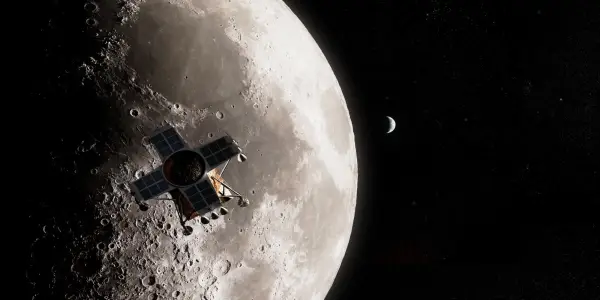
Impulse Space Enters Lunar Exploration: New...

This Week In Space Podcast: Episode 187 Explores...

Childcare Crisis: Families Struggle as...
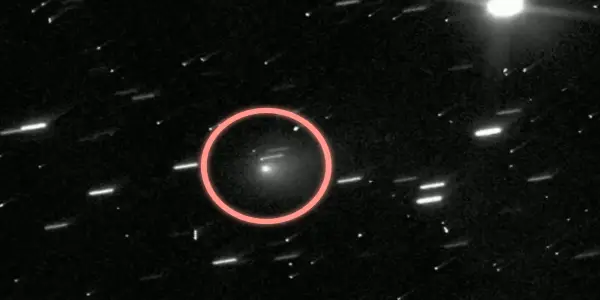
Interstellar Comet 3I/ATLAS Reveals Water...
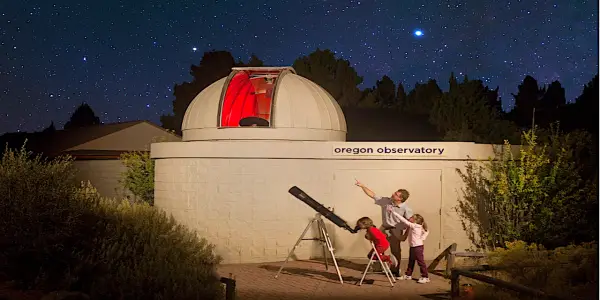
Exploring Oregon's Premier Public Telescope...

OnePlus 15 vs. Samsung Galaxy S25 Plus: A Clash...

AI Reveals Over 800 New Cosmic Anomalies from...

Jeff Bezos's AI Hardware Venture Takes Aim at...

Meteorite Fragment May Have Impacted Houston Home
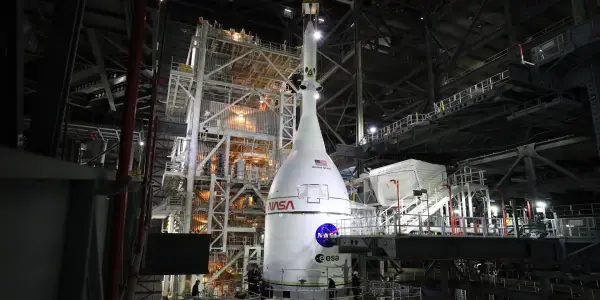
NASA Advances Artemis 2 Mission with Orion...

Samsung Unveils Unprecedented Black Friday Deal...
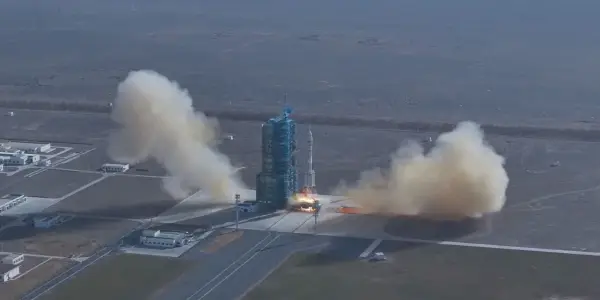
China's Shenzhou 22 Mission Launches Uncrewed...
MIT Researchers Uncover Ancient Traces of...
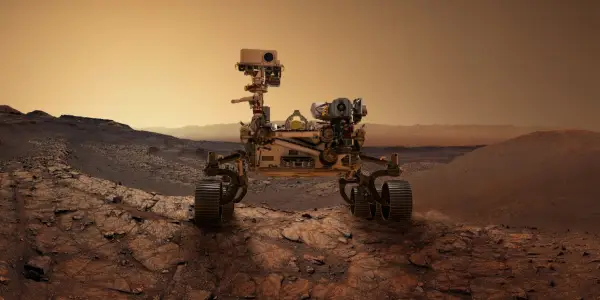
Unraveling the Mysteries of Mars: Recent...
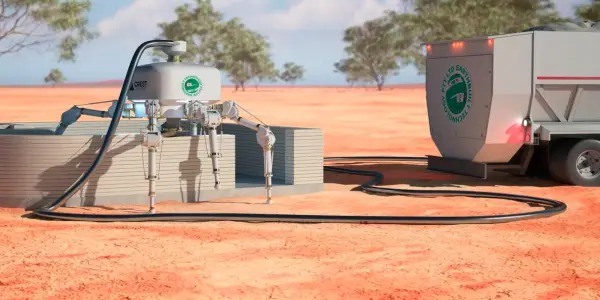
Charlotte: The Lunar 3D Printer Poised to...
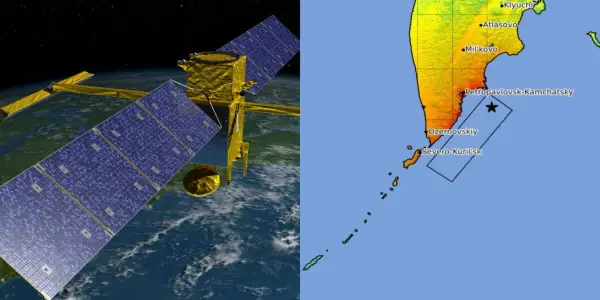
Satellite Observations Reveal Unconventional...
Potential Evidence of Dark Matter Emerges from...
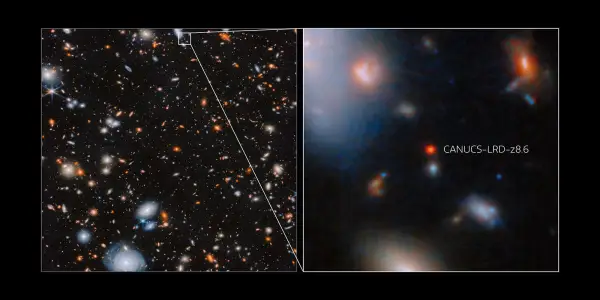
James Webb Telescope Identifies Rapidly Growing...
SpaceX Set to Launch NASA's Pandora Exoplanet...
Juno's Mission Status in Question Amid Government...
Breakthrough in Milky Way Simulation Using AI...