Apple May Consider Transitioning to Starlink Amid SpaceX Advancements
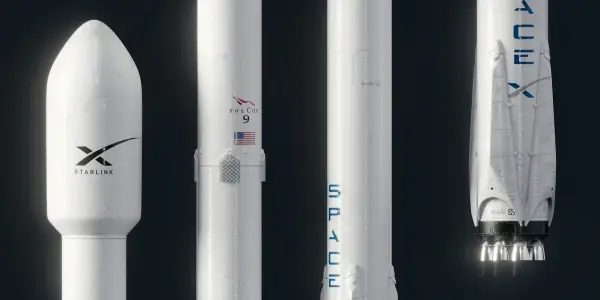
Apple may shift from Globalstar to SpaceX's Starlink for satellite communications as SpaceX expands its capabilities, enhancing user connectivity for iPhone ...
In-depth analysis
New discoveries
Recent advancements in satellite communications have highlighted Apple's evolving messaging capabilities on the iPhone, initially designed for emergency use. This evolution reflects a broader commitment to enhancing user connectivity, particularly as Apple evaluates its current partnership with Globalstar in light of SpaceX's ambitious Starlink expansion plans.
Mission updates
SpaceX has finalized a $1 billion agreement with EchoStar to acquire spectrum, which will enhance its satellite communication capabilities. The company is also planning to expand its Starlink satellite constellation significantly, potentially increasing the number from over 4,000 to 30,000.
Who is affected
Apple users stand to benefit from potential improvements in satellite messaging services, particularly as the company considers transitioning to SpaceX's Starlink. Additionally, T-Mobile customers are already experiencing enhanced connectivity through Starlink's technology, illustrating the broader impact on users seeking reliable communication solutions.
Next steps
Apple is likely to assess the feasibility of integrating Starlink's capabilities into its satellite messaging service. This strategic evaluation will determine how the company can enhance service reliability and maintain competitiveness in the expanding satellite communications market.
Did you know?
Why we should care
The shift in satellite communication technology has direct implications for everyday users. Imagine being in a remote area, where traditional cell service fails, yet you can still send a text to loved ones or call for help. Apple's advancements in satellite messaging could enhance connectivity for outdoor enthusiasts, travelers, and emergency responders alike, ensuring that no one feels cut off from the world in critical moments.
The universe's unsolved mystery
Despite leaps in satellite technology, the fundamental question of how to seamlessly integrate these systems into our daily lives remains. As we push for global connectivity, the challenge lies in balancing coverage, reliability, and accessibility. The intersection of tech advancements and user needs continues to be a puzzle that companies like Apple and SpaceX must solve.
The person who looks at the stars
Meet Sarah, a geologist who spends her weekends hiking in the mountains. For her, the night sky is a canvas of adventure, but cell service often fades away, limiting her ability to connect with her family. When she learned about Apple's satellite messaging capabilities, Sarah felt a surge of hope. The thought of being able to send a message from the peak of a remote trail not only eases her worry but also enhances her sense of freedom. As technology evolves, people like Sarah stand to benefit immensely, bridging the gap between exploration and communication. The stars no longer feel as distant when connection is just a text away.
Expert Commentary
This Week in Science: Insights on Comet 3I/ATLAS,...
Russian Cosmonauts Conduct Extended Spacewalk to...

Childcare Crisis: Families Struggle as...
Portal Systems Aims to Revolutionize Spacecraft...

Potential Alien Disclosure May Trigger Bitcoin...
Hawaiian Students Honor Gemini North Telescope's...
Exploring the 'Ultraview Effect': Human...
India Successfully Launches CMS-03 Military...

Netgear Orbi 370 Review: An Accessible Wi-Fi 7...

Exploring the Best Online Resources for Stunning...
Affordable Fitness Tracking: The Amazfit Active 2...
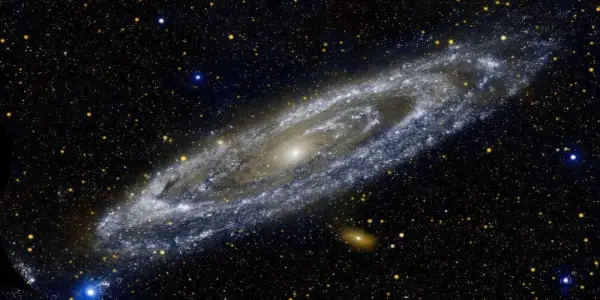
Andromeda Galaxy's Impact on Its Satellite...

Meteorite Fragment May Have Impacted Houston Home

Starlink Satellites Make Headlines as They Fall...

Czech Startup Zaitra Pioneers AI-Driven Satellite...
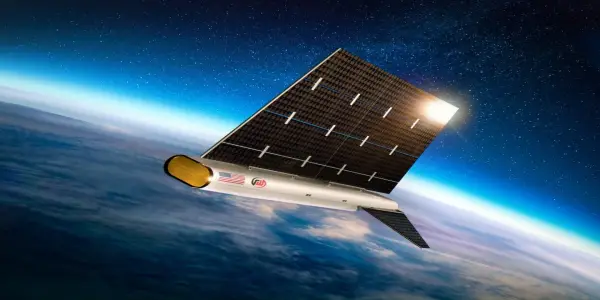
SabreSat: An Innovative Air-Breathing Satellite...

FULU Foundation Introduces Repair Bounty System...
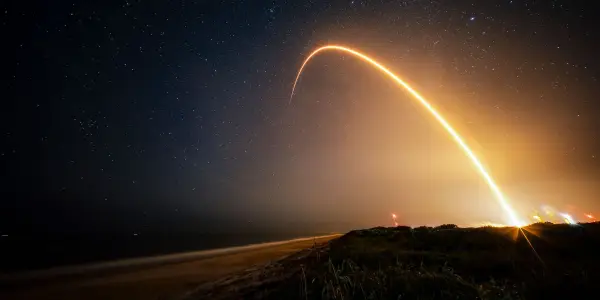
SpaceX Achieves 150th Falcon 9 Launch with...
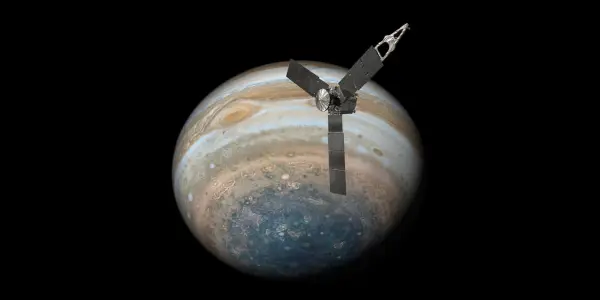
Juno's Mission Status in Question Amid Government...
The Dwarf III Smart Telescope: A Compact Marvel...

Top Black Friday Smartwatch Deals Worth...
NASA's Upcoming Roman Space Telescope Set to...

Senegal Joins Artemis Accords, Expanding...

China's Shenzhou 22 Mission Launches Uncrewed...
NASA and Blue Origin Successfully Launch Dual...
Impulse Space Enters Lunar Exploration: New...
Samsung Unveils Unprecedented Black Friday Deal...
Unraveling the Mysteries of Mars: Recent...
Potential Evidence of Dark Matter Emerges from...

James Webb Space Telescope May Have Detected the...
Exploring Oregon's Premier Public Telescope...
Astrophotographer Captures Stunning Image of...
Breakthrough in Milky Way Simulation Using AI...
Young Canadian Astronomer Identifies Two...
This Week In Space Podcast: Episode 187 Explores...

Hackaday Podcast Episode 340: Exploring Top...
NASA and European Partners Prepare for...

MiHoYo Expands Ambitions with New MMO Project...

Astronomers Capture First Image of Two Orbiting...

Astrophysicists Unveil Dark Universe Through...