Starlink Satellites Make Headlines as They Fall from Orbit
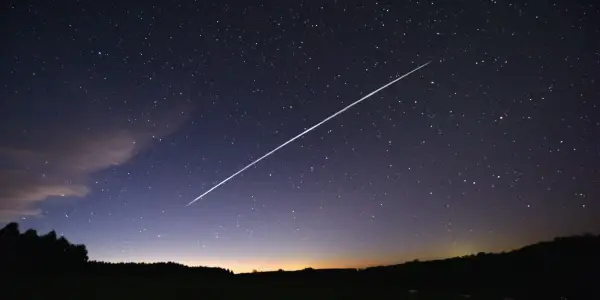
Observers in California and Canada recently mistook falling Starlink satellites for meteor showers, highlighting a rising trend in satellite reentries as com...
In-depth analysis
New discoveries
Recent observations have revealed that the fiery trails seen in the skies over California and Canada are actually reentering Starlink satellites, rather than meteor showers. This phenomenon, noted by astrophysicist Jonathan McDowell, suggests an increasing frequency of satellite reentries, with estimates indicating that one to two Starlink satellites are falling back to Earth each day.
Mission updates
The Federal Aviation Administration (FAA) has begun issuing warnings regarding the risks posed by falling Starlink satellites. With the growing number of reentries, regulatory bodies are closely monitoring the situation to ensure public safety.
Who is affected
The rise in satellite reentries poses potential risks to both the space industry and the general public. While most reentries are expected to be harmless, the unpredictability of satellite trajectories raises concerns about possible injuries or fatalities from falling debris.
Next steps
As satellite numbers continue to grow, regulatory agencies are expected to enhance monitoring protocols and safety measures. Increased public awareness and vigilance regarding falling satellites will also be crucial in mitigating potential risks.
Did you know?
Why we should care
The increasing frequency of satellite reentries affects more than just the night sky. As Starlink and other satellite networks expand, the risk of falling debris could impact everyday life—potentially causing property damage or injury. Communities near reentry zones need to be aware of safety protocols, and everyone should consider how the growing number of satellites might affect our future interactions with technology, from internet access to space safety.
The universe's unsolved mystery
The rise in satellite reentries raises a pressing question: how do we balance technological advancement with the long-term sustainability of space? As we propel ourselves into a future dominated by satellite networks, tackling the potential risks of Kessler syndrome becomes crucial. The challenge lies not just in advancing technology but in ensuring that our exploration of space does not lead to its degradation.
The person who looks at the stars
Meet Clara, a 12-year-old aspiring astronaut from San Francisco. Every night, Clara climbs to her rooftop with a telescope, dreaming of the cosmos. Recently, she was thrilled to witness the bright streaks of Starlink satellites, momentarily mistaking them for shooting stars. However, learning about their potential dangers left her feeling conflicted. Inspired yet concerned, Clara now engages her classmates in discussions about space safety and sustainable technology. For her, each satellite represents both a leap in connectivity and a reminder of the responsibility that comes with it. Clara embodies a generation that will navigate the delicate balance between innovation and preservation, reminding us all that while we reach for the stars, we must also look after our planet.
Expert Commentary
Assessing the Financial Impact of NASA's Apollo...
Exploring Oregon's Premier Public Telescope...
Samsung Galaxy S26 Expected to Feature Enhanced...
MIT Researchers Uncover Ancient Traces of...
Top Black Friday Smartwatch Deals Worth...

MiHoYo Expands Ambitions with New MMO Project...
The Dwarf III Smart Telescope: A Compact Marvel...
Congress Questions NASA's Facility Closures Amid...
Highlights of 2025 in Space Exploration: From...
New Study Reveals Theia and Earth May Have Shared...
Proposed Fleet of Sun-Gazing Spacecraft Aims to...
Samsung Unintentionally Reveals Galaxy S26 Series...

Astrophysicists Unveil Dark Universe Through...

Jonathan Davies Urges England to Create New...
Australia's SpIRIT Nanosatellite Captures First...

Reviving Adult Friendships: Strategies to Combat...
SabreSat: An Innovative Air-Breathing Satellite...

FULU Foundation Introduces Repair Bounty System...
UK Advances in Space Defense and Naval Drone...
NASA Unveils New Images of Interstellar Comet...
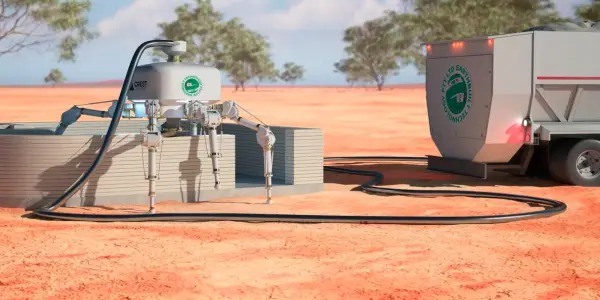
Charlotte: The Lunar 3D Printer Poised to...

China's Mars Orbiter Captures Image of...
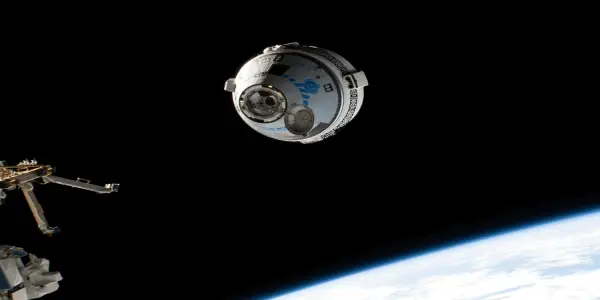
NASA Faces Scrutiny Over Boeing Starliner...

Childcare Crisis: Families Struggle as...
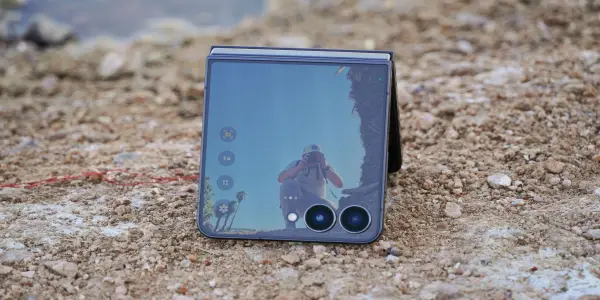
Samsung Unveils Unprecedented Black Friday Deal...
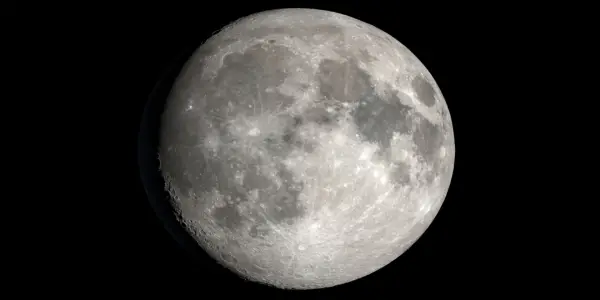
Mark Your Calendars: International Observe the...
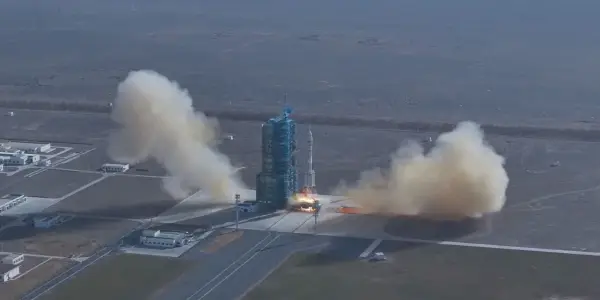
China's Shenzhou 22 Mission Launches Uncrewed...
Unistellar eQuinox 2 Smart Telescope Sees...
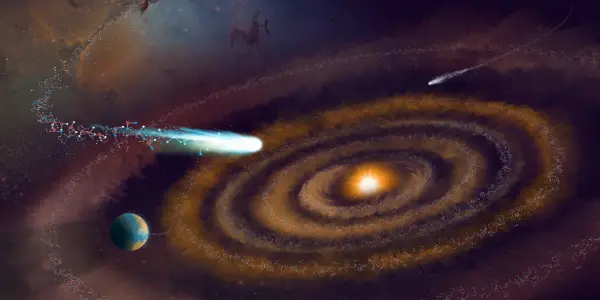
Astronomers Identify Ancient Water in...

Lenovo's Legion Tab Gen 3 Sees Significant Black...
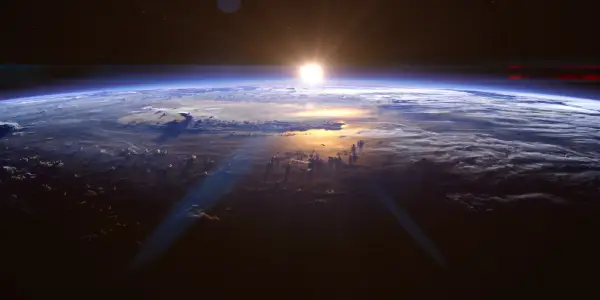
Portal Systems Aims to Revolutionize Spacecraft...
Exploring the 'Ultraview Effect': Human...
Expansion of Earth’s Magnetic Field Weak Spot...
NASA and European Partners Prepare for...
AI Reveals Over 800 New Cosmic Anomalies from...
Potential Evidence of Dark Matter Emerges from...
NASA's Ambitious Timeline for Human Exploration...

James Webb Space Telescope May Have Detected the...
OnePlus 15 vs. Samsung Galaxy S25 Plus: A Clash...
NASA and Blue Origin Successfully Launch Dual...