Exploring the James Webb Space Telescope: A $13 Billion Leap into the Cosmos

Kenneth Harris, a veteran NASA engineer, discusses the intricate interplay between hardware and software that powers the James Webb Space Telescope, which is designed to capture infrared light and unravel the mysteries of the universe.
In-depth analysis
New discoveries
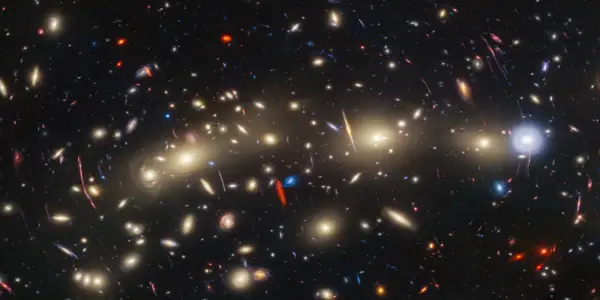
The James Webb Space Telescope (JWST) is poised to uncover significant insights into the universe, particularly through its advanced infrared capabilities. This technology allows it to observe celestial phenomena previously hidden by cosmic dust, facilitating studies of the earliest galaxies and stars, and potentially reshaping our understanding of cosmic evolution.
Mission updates
Currently, the JWST is actively conducting observations from its position at the second Lagrange point, where it experiences minimal atmospheric interference, significantly enhancing its observational capabilities.
Who is affected
The advancements brought by the JWST will impact astronomers, astrophysicists, and researchers worldwide, providing them with unprecedented data to study the universe's origins, star formation, and cosmic phenomena, ultimately influencing our collective understanding of the cosmos.
Next steps
Future missions, including the Nancy Grace Roman Space Telescope, are planned to complement the JWST's findings, promising to expand our observational reach and deepen insights into the fundamental laws governing the universe.
Did you know?
Why we should care
The James Webb Space Telescope (JWST) isn't just a marvel of engineering; it has the potential to reshape our understanding of the universe. By capturing infrared light, it allows us to explore areas previously hidden from view. This could lead to discoveries that influence everything from our understanding of cosmic history to advancements in technology that impact daily life, such as improved imaging systems in healthcare.
The universe's unsolved mystery
Despite advancements, many questions about the universe remain unanswered. The JWST’s ability to look back in time poses profound implications: What if we discover signs of life on distant planets or evidence of other civilizations? Each new finding challenges our understanding of existence and humanity's place in the cosmos, pushing us to confront mysteries that have perplexed thinkers for centuries.
The person who looks at the stars
Meet Sarah, a 12-year-old aspiring astronomer from a small town in Ohio. Every night, she climbs to her rooftop with a telescope handed down from her grandfather, searching the skies for new discoveries. Inspired by the JWST, Sarah dreams of one day contributing to our understanding of the universe. For her, each gleam of light represents a potential story waiting to be uncovered. The JWST fuels her passion, showing her that the stars hold answers to questions yet to be asked. Sarah's connection to the cosmos illustrates how current breakthroughs can ignite future generations' curiosity, inspiring them to explore the unknown and perhaps even change the course of human history.
Expert Commentary
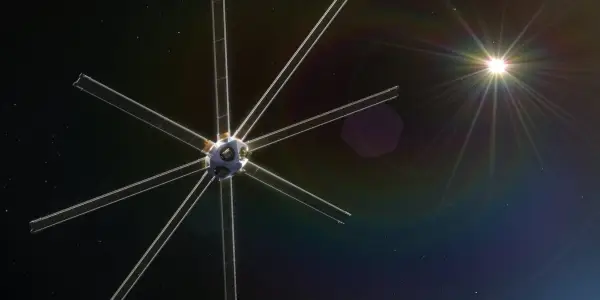
New Mexico Startup Unveils Ambitious Plan to...
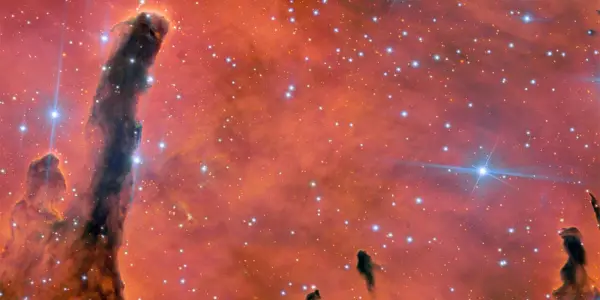
Hawaiian Students Honor Gemini North Telescope's...

Jonathan Davies Urges England to Create New...
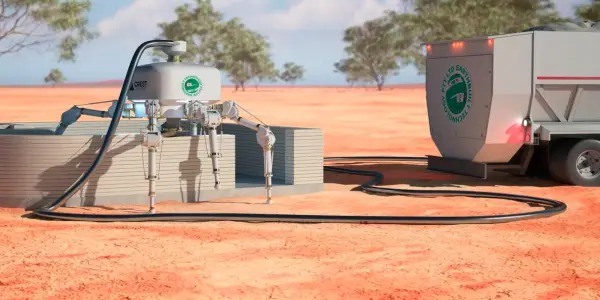
Charlotte: The Lunar 3D Printer Poised to...

Lenovo's Legion Tab Gen 3 Sees Significant Black...
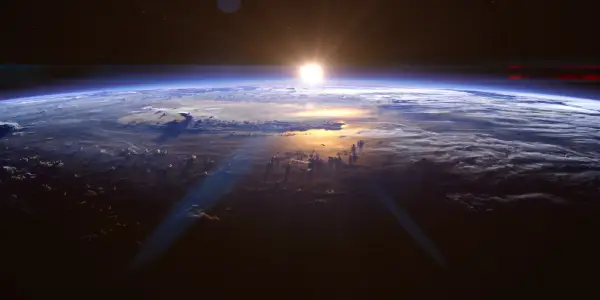
Portal Systems Aims to Revolutionize Spacecraft...

Samsung Galaxy S26 Expected to Feature Enhanced...
Webb Telescope Reveals Unprecedented Cosmic...

Innovative Portable Reflecting Telescope...

NASA's Artemis 3 Moon Mission Delayed to 2028 Due...

Japanese Astronaut Observes Typhoon Activity from...

Childcare Crisis: Families Struggle as...
NASA Research Uncovers Climate's Impact on...
The Dwarf III Smart Telescope: A Compact Marvel...

European Space Agency Unveils Stunning Radar...

MIT Researchers Uncover Ancient Traces of...
Andromeda Galaxy's Impact on Its Satellite...
Proposed Fleet of Sun-Gazing Spacecraft Aims to...
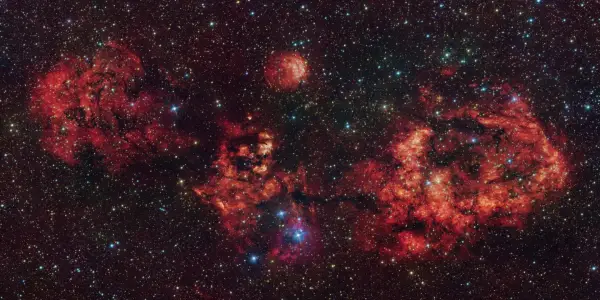
Astronomers Discover Eerie 'Cosmic Bat' Nebula in...
Unraveling the Mysteries of Mars: Recent...

Czech Startup Zaitra Pioneers AI-Driven Satellite...
Astrophotographer Captures Stunning Image of...
Young Canadian Astronomer Identifies Two...
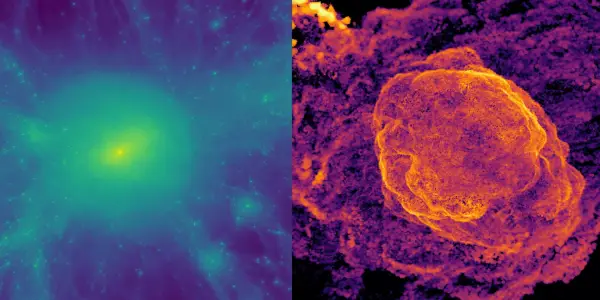
New Simulations Shed Light on the Enigmatic...
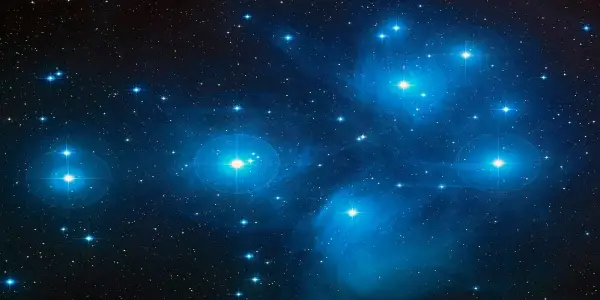
The Pleiades Star Cluster Reveals Its Extensive...

Exploring Alternatives to the Meta Quest 3 Elite...

NASA's Fermi Spacecraft May Have Made Historic...
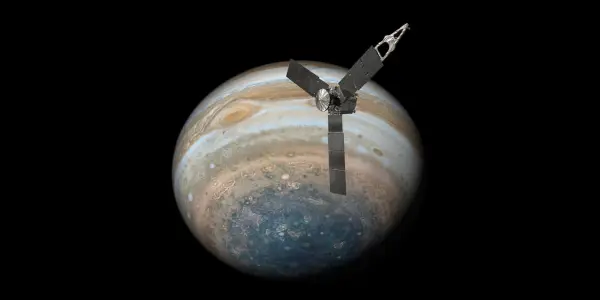
Juno's Mission Status in Question Amid Government...

Netgear Orbi 370 Review: An Accessible Wi-Fi 7...
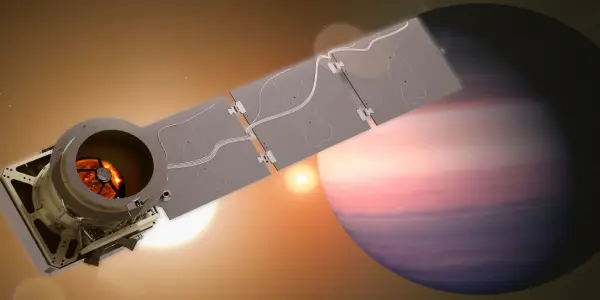
SpaceX Set to Launch NASA's Pandora Exoplanet...
Discovery of Betelgeuse's Companion Star Unveiled

Astronomers Discover Ancient White Dwarf Actively...

Urwerk Unveils Limited-Edition 100V 'LightSpeed'...
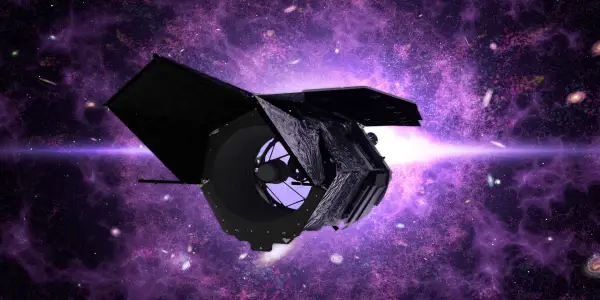
NASA's Upcoming Roman Space Telescope Set to...

SpaceX Achieves Major Milestone with Launch of...
India Successfully Launches CMS-03 Military...

OnePlus 15 vs. Samsung Galaxy S25 Plus: A Clash...
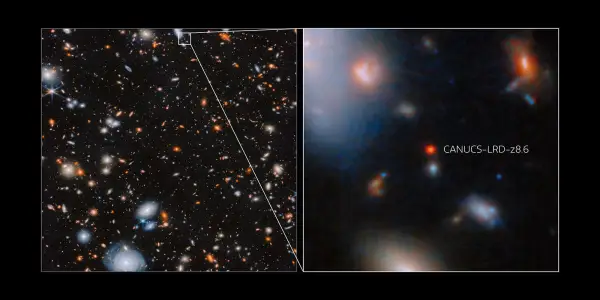
James Webb Telescope Identifies Rapidly Growing...
James Webb Space Telescope May Have Detected the...

Unusual Wind from Neutron Star Challenges Space...