India Unveils Comprehensive Labour Reforms Amidst Union Resistance
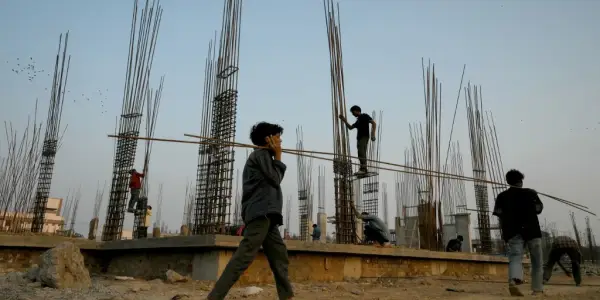
India introduces major labour reforms, modernizing laws to enhance worker protections and social security, despite opposition from unions. Discover the impac...
In-depth analysis
Background context
India's recent labour law overhaul introduces four new codes aimed at modernizing the regulatory framework to better protect workers. Prime Minister Modi's government emphasizes universal social security, addressing wage payments, job safety, and opportunities for vulnerable groups like women, youth, and gig workers, while replacing outdated colonial-era regulations.
Key political implications
These reforms signal a significant shift in India's approach to labour relations, potentially reshaping the political landscape by prioritizing economic growth over traditional worker protections, which may influence future electoral dynamics.
Who gains / who loses
While the reforms promise benefits such as improved working conditions and social security for gig workers, small and informal businesses may struggle to adapt. Trade unions argue that the changes could diminish job security for many workers, creating a polarized environment around labour rights.
Possible future scenarios
Should the reforms succeed, India may see increased foreign investment and a more robust manufacturing sector. Conversely, ongoing resistance from trade unions could lead to heightened tensions and protests, complicating the implementation of these new laws.
Did you know?
Why you should know this
India's overhaul of labour laws is more than a bureaucratic update; it directly impacts the lives of millions. Workers, especially women and gig employees, will see enhanced protections, potentially transforming job security and wage fairness. For everyday citizens, these changes could mean better paychecks, improved safety at work, and a more inclusive economy, making it essential to understand how these reforms will shape the workforce and consumer landscape.
Behind the political curtain
Despite the sweeping nature of these reforms, a surprising fact is that India’s labour laws had not seen a comprehensive update since the British colonial era, meaning many regulations were over a century old. This highlights the stark contrast between the historical context of these laws and the modern economic landscape they are now meant to support.
Ordinary person in an extraordinary situation
Meet Aditi Sharma, a gig worker in Bengaluru, who juggles multiple jobs to support her family. For years, Aditi faced instability and uncertainty in her income, worrying about healthcare and job security. The new labour codes bring her hope; with legal recognition of gig work, she anticipates better access to social security and benefits. Aditi dreams of a future where she can take a sick day without fear of losing her income. Her story is emblematic of countless workers navigating India's evolving economy, and the reforms could finally give her the stability she deserves.

Germany Resumes Arms Exports to Israel Amid...

Isaac Asimov's Perspective on Star Trek: A Sci-Fi...
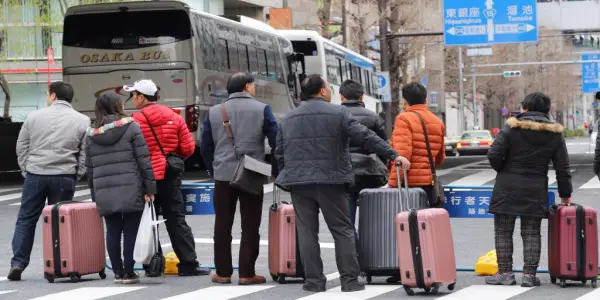
Japan Protests China's Travel Advisory Amid...

Cuba Rejects U.S. Security Threat Claims Amid...

Javier Milei's Victory Signals a Shift in...

Mark Carney Discusses Political Transition During...

Sanae Takaichi Elected as Leader of Japan's...

Protests Erupt Across Italy Amid Gaza Conflict,...
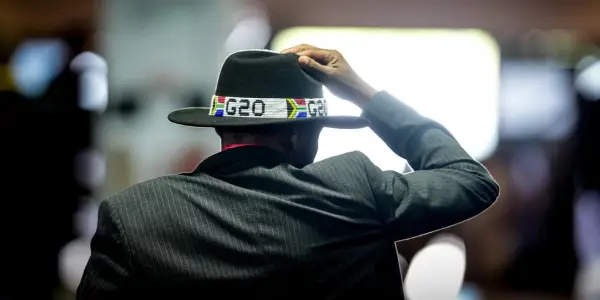
South Africa's G20 Presidency: A Mixed Legacy of...

Jetpack Navigation 3 Achieves Stability for...

Oracle's Stance on Israel Sparks Controversy...
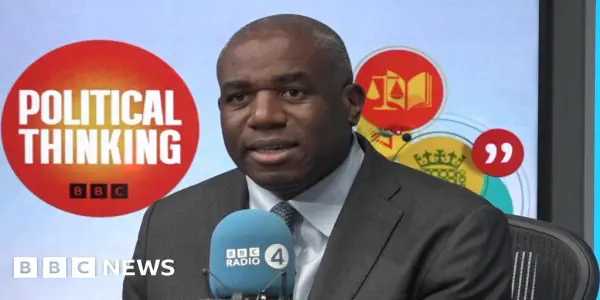
Trump Reverses Stance on Greenland After UK...
Former Preschool Cook Sentenced for Molesting...

Nevada's Governor's Office Allegedly Intervened...

Zohran Mamdani's Vision for Global Municipal...

Australia Seizes Opportunity in U.S.-China Rare...

Former Honduran President Hernández Convicted of...

Is the U.S. Reassessing Its Stance on Israel...

Understanding Donald Trump’s Vision of Military...

Global Community's Stance on Israel: A Complex...

Trump to Engage with Syrian Leader Following...

US Tariffs Impact Nuevo Leon's Steel Sector,...
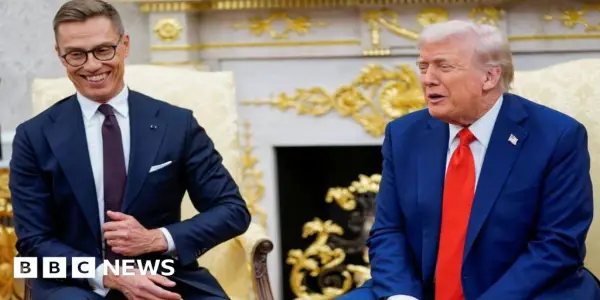
Trump and Finnish President Stubb Forge Strong...

Trump Considers Tomahawk Missile Support for...

Khamenei Assassination: A Pivotal Shift in...

Cuban Authorities Engage in Deadly Clash with...

Comet 3I/ATLAS Continues to Mystify Scientists...

Reddit Enhances App Performance with R8...

Trump's Influence Crucial for Sustaining Gaza...

Spain's Attorney General Convicted in...

Ghanaian Lawmakers Discover New Opportunities in...

Lessons from Ulysses S. Grant on Civil-Military...

NFL Players Union Faces Grievance Over Annual...
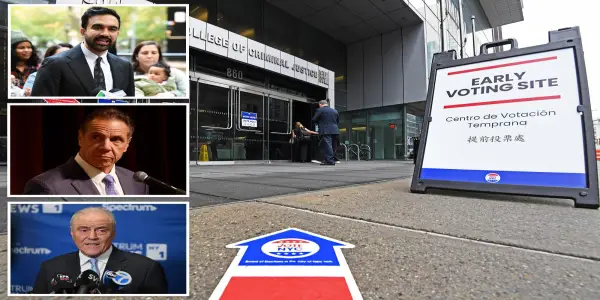
New Yorkers Kick Off Early Voting for Mayoral...

E.U. Ambassador to the U.S. Affirms Positive...

Boeing 777X: The Long Wait for Innovation and...
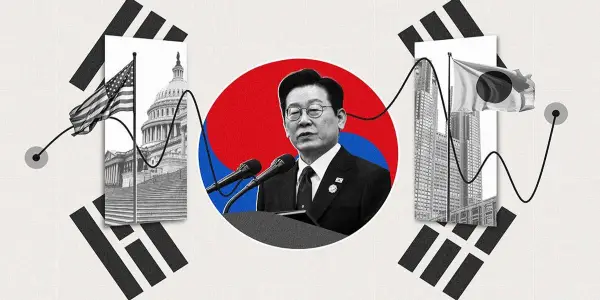
South Korea Rebuilds Trust and Reassesses Foreign...

Trump Appoints Special Envoy to Greenland,...
Nydia Velázquez Steps Down, Sparking Calls for...

US Passport Ranking Dips to Lowest Level in...