Evolving U.S. Aid Strategies Toward Ukraine Amid the Russo-Ukraine War: A Contrast Between Biden and Trump
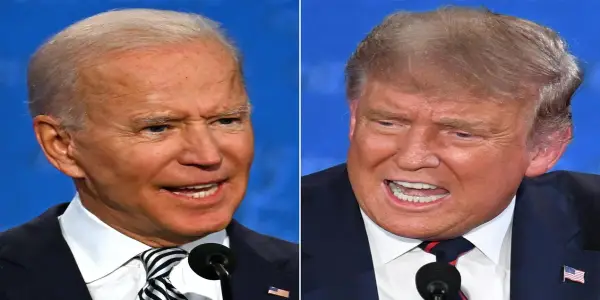
An analysis of the differing U.S. policies regarding Ukraine and Russia under Presidents Joe Biden and Donald Trump highlights significant shifts in foreign aid and diplomatic approaches during the ongoing conflict.
In-depth analysis
Background context
The U.S. response to the Russo-Ukraine war has evolved significantly since Russia's invasion in February 2022. Under President Biden, there has been a strong commitment to support Ukraine, contrasting sharply with President Trump's more ambiguous stance. This shift reflects broader changes in U.S. foreign policy and geopolitical priorities in Eastern Europe.
Key political implications
The divergent approaches of Biden and Trump have reshaped international perceptions of U.S. reliability as an ally. Biden's strong support has reinforced NATO unity, while Trump's skepticism has raised concerns about future U.S. commitments.
Who gains / who loses
Biden's strategy has strengthened Ukraine's defense capabilities and bolstered international coalitions against Russia, benefiting both Ukraine and NATO allies. Conversely, Trump's approach may have emboldened Russian aggression, undermining Ukraine's territorial integrity and weakening U.S. influence in the region.
Possible future scenarios
If Biden continues to lead with strong support for Ukraine, it may deter further Russian advances. However, a potential shift in U.S. leadership could lead to a reassessment of commitments, impacting the dynamics of the conflict and regional stability.
Did you know?
Why you should know this
The evolving U.S. response to the Russo-Ukraine war has direct implications for global stability and international relations. Understanding these shifts helps individuals grasp how foreign policy affects economic conditions, military alliances, and even energy prices at home. The billions in U.S. aid to Ukraine not only influence the conflict's outcome but also shape American taxpayers' contributions and priorities in foreign affairs.
Behind the political curtain
During the Trump administration, U.S. military aid to Ukraine was delayed as part of a broader strategy to pressure the country into investigating political opponents. This controversial decision led to a significant public outcry and was a major factor in the impeachment proceedings against Trump in late 2019.
Ordinary person in an extraordinary situation
Meet Lena, a small business owner in Kyiv who turned her café into a community hub for displaced families. When the war escalated, Lena transformed her shop into a shelter, providing not just food but emotional support. Each day, she shares stories of resilience, listening to the fears and hopes of those around her. Lena’s commitment illustrates how ordinary citizens can become pillars of strength amid turmoil, highlighting the human cost of geopolitical conflicts. Her story serves as a reminder that beyond the statistics and political maneuvers, real lives are profoundly affected, and the spirit of community can shine through even the darkest times.
Expert Commentary
Russian and Indian Foreign Ministers Convene...
Trump to Engage with Syrian Leader Following...
Nydia Velázquez Steps Down, Sparking Calls for...

European Automakers Face New Chip Shortage as...
Cuba Rejects U.S. Security Threat Claims Amid...

Indian Trade Unions Rally Against New Labour...

Ireland Moves Forward with Bill Targeting Israeli...

The Foundation of Friendship: Understanding...
Japan Reacts Strongly to China's Travel Advisory...
Exiled Russian Orthodox Leader Responds to Spying...

UK Officials Under Scrutiny Following Collapse of...
Texas Governor Abbott Designates CAIR as a...

Baden Bower Reduces Pitch-to-Publish Timeline by...
E.U. Ambassador to the U.S. Affirms Positive...

Japan Protests China's Travel Advisory Amid...
AfD Leader Raises Concerns Over Potential Threats...

Reddit Enhances App Performance with R8...

Durian Diplomacy: A Spiky Symbol of Soft Power in...
Khamenei Assassination: A Pivotal Shift in...
Jim Avila, Esteemed ABC News Correspondent, Dies...
Understanding Donald Trump’s Vision of Military...
Global Community's Stance on Israel: A Complex...

Mamdani Emerges Victorious in NYC Mayoral Race...
New Yorkers Kick Off Early Voting for Mayoral...

Comet 3I/ATLAS Continues to Mystify Scientists...
The Rise of Technocracy in Modern Governance
Intensified Clashes Erupt Between Afghan and...
Trump Considers Tomahawk Missile Support for...
Explosion at Tennessee Munitions Facility Leaves...
Overview of Recent US Trade Policies Against China
U.S. Embassies Redefine Human Rights:...
The Role of Palestinian Statehood in Advancing...
Six Finalists Announced for the 2026...
Trump Reverses Stance on Greenland After UK...
Trump and Finnish President Stubb Forge Strong...

South Africa's G20 Presidency: A Mixed Legacy of...

Nevada's Governor's Office Allegedly Intervened...
Analyzing Trump's Latin America Strategy Amid...

The Evolving Landscape of Copyright Enforcement...
Denmark's Prime Minister Advocates for Stricter...