Hoover Fellows Brett Carter and Erin Baggott Carter Awarded 2025 Riker Prize for Groundbreaking Book
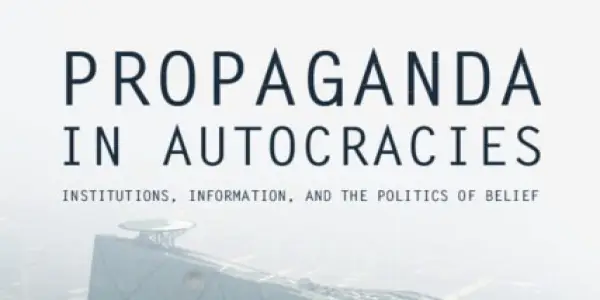
The American Political Science Association has honored a 2023 publication by Hoover Fellows Brett Carter and Erin Baggott Carter with the prestigious Riker Prize, recognizing its significant contribution to the field of political economy.
In-depth analysis
Background context
The Riker Prize has been awarded to Brett Carter and Erin Baggott Carter for their significant contribution to political economy through their book, 'Propaganda in Autocracies.' This work analyzes nearly eight million newspaper articles across various countries, shedding light on the intricate ways authoritarian governments manipulate information to control public perception and maintain their grip on power.
Key political implications
The findings of Carter and Baggott Carter underscore the necessity for policymakers to comprehend the dynamics of propaganda in authoritarian regimes, potentially influencing international relations and strategies for democratic resilience.
Who gains / who loses
The recognition of this book benefits scholars and activists seeking to understand and challenge authoritarian narratives. Conversely, authoritarian regimes may find their tactics scrutinized, facing increased pressure to adapt or change their propaganda strategies in response to this critical analysis.
Possible future scenarios
As awareness of propaganda's role in autocracies grows, future discourse may increasingly focus on counteracting misinformation. This could lead to enhanced global coalitions aimed at promoting transparency and supporting democratic movements worldwide.
Did you know?
Why you should know this
Understanding the dynamics of propaganda in autocracies is essential in today’s interconnected world. The ability of authoritarian regimes to manipulate information affects not just their citizens but also international relations. This book sheds light on how propaganda shapes perceptions, influencing the way individuals engage with political narratives both locally and globally, impacting democratic resilience and civic participation.
Behind the political curtain
A lesser-known fact is that authoritarian governments often tailor their propaganda strategies to specific cultural contexts, adjusting narratives to resonate with local beliefs and historical experiences. This adaptability enhances their control, making it harder for citizens to challenge the prevailing narratives.
Ordinary person in an extraordinary situation
Consider the story of Maria, a schoolteacher in Belarus, who witnessed firsthand the effects of state propaganda on her students and their families. After the 2020 presidential elections, she noticed a shift in their discussions; fear and mistrust permeated their conversations. Maria began to question how the information they received shaped their realities. In a bold move, she started an after-school club focused on critical thinking and media literacy, empowering her students to question narratives they encountered. This small act of defiance illustrates the courage individuals like Maria exhibit in the face of oppression, highlighting the importance of understanding propaganda's influence on personal agency and community resilience.
Expert Commentary

Exploring Intimacy and Isolation in Claire-Louise...
Is the U.S. Reassessing Its Stance on Israel...
Trump Appoints Special Envoy to Greenland,...
Oracle's Stance on Israel Sparks Controversy...
Former Honduran President Hernández Convicted of...
New Yorkers Kick Off Early Voting for Mayoral...

Mamdani Emerges Victorious in NYC Mayoral Race...
Trump to Engage with Syrian Leader Following...
Analyzing Trump's Latin America Strategy Amid...
U.S. Embassies Redefine Human Rights:...
Canada and China Take Steps Toward Repairing...
Mark Carney Discusses Political Transition During...

European Automakers Face New Chip Shortage as...
Political Reactions to BBC Leadership Changes...
The Israel-Hamas Ceasefire: A Critical Moment...
Colombia's ELN Rebels Intensify Military Drills...
Japan Reacts Strongly to China's Travel Advisory...

NASA Unveils Stunning Images of Interstellar...
Cuba Rejects U.S. Security Threat Claims Amid...
Global Community's Stance on Israel: A Complex...
Lessons from Ulysses S. Grant on Civil-Military...

EA Raises Concerns Over Sale to Saudi Arabia's...
Comet 3I/ATLAS Continues to Mystify Scientists...
Saudi Crown Prince's Invitation to the White...
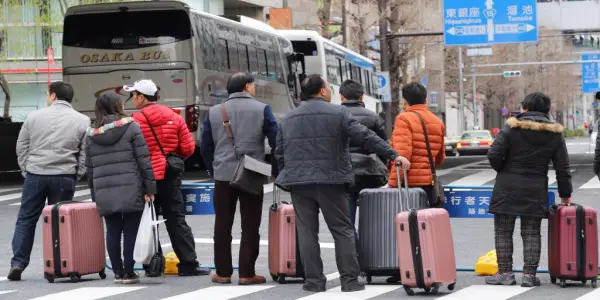
Japan Protests China's Travel Advisory Amid...
Understanding Donald Trump’s Vision of Military...

E.U. Ambassador to the U.S. Affirms Positive...
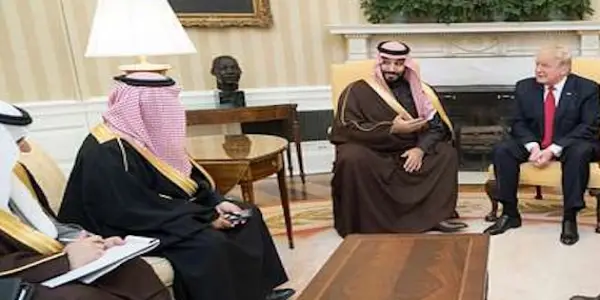
The Role of Palestinian Statehood in Advancing...
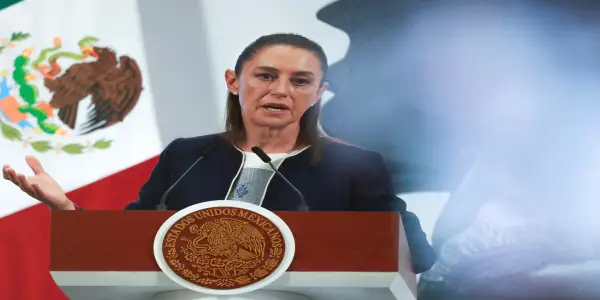
US Tariffs Impact Nuevo Leon's Steel Sector,...

Denmark's Prime Minister Advocates for Stricter...

Trump Announces Closure of Venezuelan Airspace...

Former Preschool Cook Sentenced for Molesting...
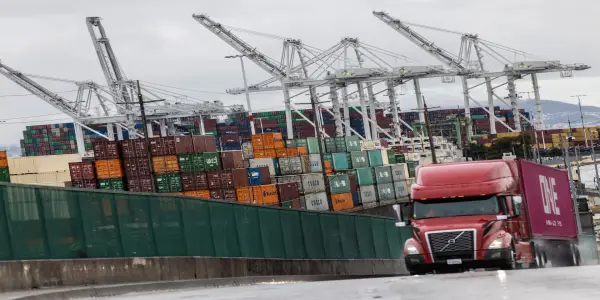
Overview of Recent US Trade Policies Against China
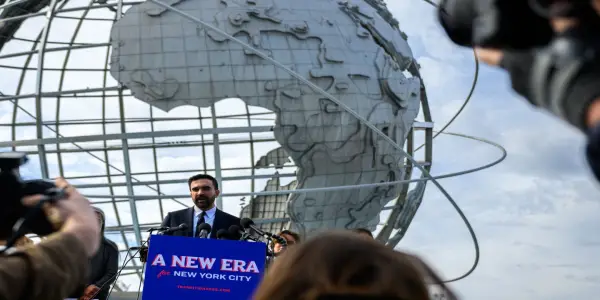
Zohran Mamdani's Vision for Global Municipal...

Jared Isaacman Renominated as NASA Administrator...
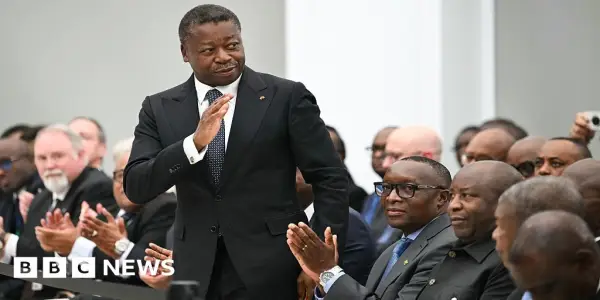
Togo Navigates Diplomatic Balancing Act Amid...
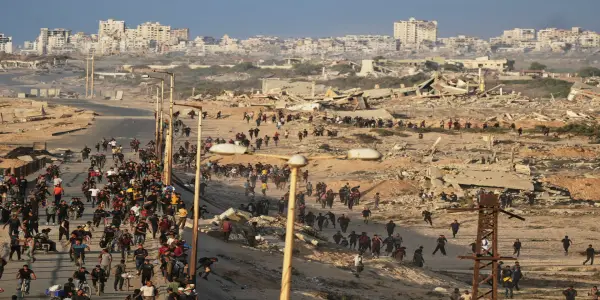
Trump's Influence Crucial for Sustaining Gaza...
Intensified Clashes Erupt Between Afghan and...

Spain's Attorney General Convicted in...

Jetpack Navigation 3 Achieves Stability for...