Trump's AI Strategy Faces Internal Challenges Amid Export Control Reversals
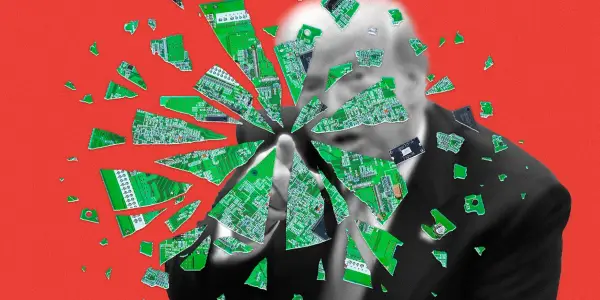
Donald Trump's AI strategy is under fire as internal dissent grows over export control reversals, raising concerns about America's global tech leadership aga...
In-depth analysis
Background context
The U.S. has historically led in artificial intelligence and semiconductor technology, with significant investments driving innovation. However, recent policy shifts under former President Trump have raised concerns about the nation’s competitive edge, particularly against China, as internal dissent within his administration complicates strategic decisions regarding exports and technology development.
Key political implications
The recent policy changes reflect a significant shift in U.S. technology strategy that could alter the balance of power with global competitors, particularly in the realm of AI and semiconductor production.
Who gains / who loses
If U.S. semiconductor exports to China continue, American companies could gain short-term profits, yet the long-term risks include empowering Chinese firms like Huawei, potentially undermining U.S. technological leadership and national security.
Possible future scenarios
Future developments may see a further entrenchment of U.S.-China technological rivalry, with potential escalations in export controls or a renewed focus on domestic innovation to counterbalance perceived losses in global competitiveness.
Did you know?
Why you should know this
Understanding the evolving landscape of AI and semiconductor exports is crucial as these technologies shape everyday life—from the smartphones we use to advancements in healthcare. Decisions made by political leaders can lead to increased prices, job shifts, or even changes in the tech services available to consumers. Awareness of these policies helps individuals grasp how global competition affects their daily tech experiences.
Behind the political curtain
In a surprising twist, during Trump's administration, key tech leaders like David Sacks and Jensen Huang were not only consulted but actively influenced policy decisions, highlighting a unique intersection of business and politics where industry experts can sway national strategy.
Ordinary person in an extraordinary situation
Meet Sarah, a 32-year-old software developer from Seattle. As someone who relies on advanced AI tools for her work, Sarah is deeply concerned about the implications of U.S. semiconductor policies. She finds herself caught between her professional aspirations and the geopolitical chess game unfolding around her. With each news cycle, she worries that restrictions on chip exports could stifle innovation and lead to higher costs for the software she develops. Sarah often wonders if her career could be jeopardized by decisions made in distant boardrooms, feeling the weight of a global industry that seems increasingly precarious. For her, these policies aren't just abstract concepts—they're the backbone of her livelihood.
Expert Commentary
Analyzing Trump's Latin America Strategy Amid...
The Rise of Technocracy in Modern Governance

U.S. Lawmakers Express Concerns Over Trump...
Indian Trade Unions Rally Against New Labour...

Iraq's Parliamentary Elections: Key Insights...
Jim Avila, Esteemed ABC News Correspondent, Dies...

The Foundation of Friendship: Understanding...

Peru Sever Diplomatic Relations with Mexico Amid...

Trump's Influence Crucial for Sustaining Gaza...
South Africa's G20 Presidency: A Mixed Legacy of...
South Korea Initiates First Military Talks with...

Canada Decides Against Public Disclosure of Nazi...

Khamenei Assassination: A Pivotal Shift in...

UK Officials Under Scrutiny Following Collapse of...

Exploring Intimacy and Isolation in Claire-Louise...
Inquiry Critiques Scottish Government's Covid-19...
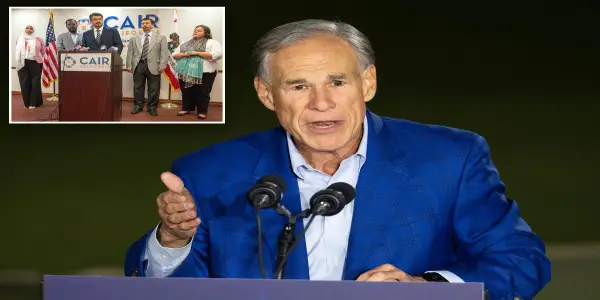
Texas Governor Abbott Designates CAIR as a...

Boeing 777X: The Long Wait for Innovation and...

Cuban Authorities Engage in Deadly Clash with...

Ireland Moves Forward with Bill Targeting Israeli...

Mamdani Emerges Victorious in NYC Mayoral Race...
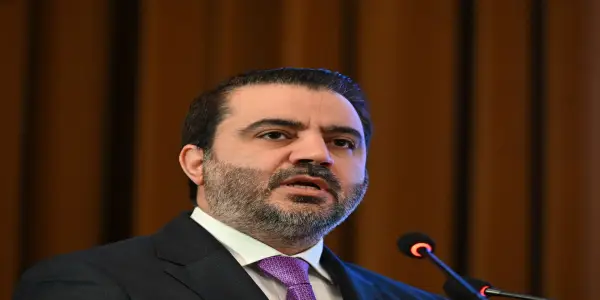
Syria's Foreign Minister Visits China to...

Assessing Trump's Nobel Peace Prize Worthiness...
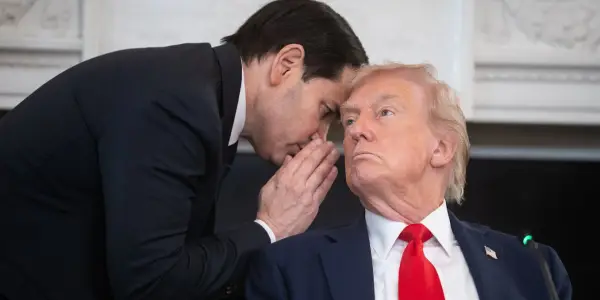
Trump's Bold Foreign Policy Yields Progress in...

Former Preschool Cook Sentenced for Molesting...

Bangladesh's International Crimes Tribunal...
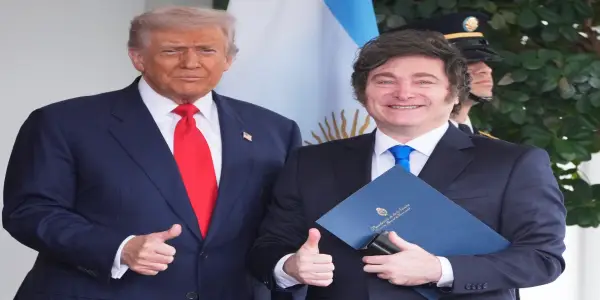
Javier Milei's Victory Signals a Shift in...

Zohran Mamdani's Vision for Global Municipal...

Challenges Faced by Costumes in 'Mighty Morphin...
AfD Leader Raises Concerns Over Potential Threats...

New Advocacy Report Urges Action Against Child...
US Tariffs Impact Nuevo Leon's Steel Sector,...
U.S. Embassies Redefine Human Rights:...

Germany Resumes Arms Exports to Israel Amid...

Former Honduran President Hernández Convicted of...
Russian and Indian Foreign Ministers Convene...

Baden Bower Reduces Pitch-to-Publish Timeline by...
Japan Reacts Strongly to China's Travel Advisory...
Global Community's Stance on Israel: A Complex...
Canada and China Take Steps Toward Repairing...