NASA's 230-Foot Antenna Faces Damage, Highlighting Urgent Need for Deep Space Network Upgrades
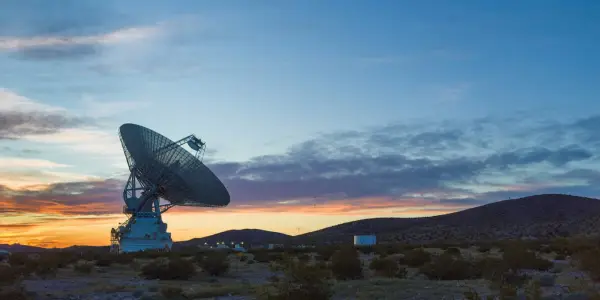
The Deep Space Network's infrastructure is under significant strain, exacerbated by the recent damage to a key antenna, raising concerns over future space missions.
In-depth analysis
New discoveries
The incident involving the DSS-14 antenna has highlighted vulnerabilities within NASA's Deep Space Network, particularly regarding equipment reliability and maintenance. This situation may prompt new insights into the engineering challenges of maintaining aging infrastructure, potentially leading to innovative solutions that enhance the resilience of communication systems crucial for interplanetary missions.
Mission updates
NASA's Jet Propulsion Laboratory has established a Mishap Investigation Board to evaluate the circumstances surrounding the DSS-14 antenna's malfunction. The antenna will remain offline as engineers assess its structural integrity and plan for necessary repairs.
Who is affected
The damage to the DSS-14 antenna impacts various stakeholders, including scientific teams working on interplanetary missions and the Artemis program. As communication capabilities are strained, researchers relying on the Deep Space Network may face delays in data transmission and mission support.
Next steps
Following the assessment of the DSS-14 antenna, NASA plans to communicate updates regarding its restoration timeline. The agency is also expected to explore infrastructure upgrades to better accommodate the increasing demands of future space exploration missions.
Did you know?
Why we should care
The ongoing health of NASA's Deep Space Network directly impacts our understanding of space and technological advancements. When antennas like DSS-14 go offline, it jeopardizes communication with critical missions exploring Mars and beyond. This not only delays scientific discoveries but can also hinder our progress in preparing for future missions, such as returning humans to the Moon, which could shape our next steps in space exploration.
The universe's unsolved mystery
The failure of DSS-14 reflects a broader challenge in space exploration: maintaining robust infrastructure amidst increasing demands. As humanity pushes the boundaries of our reach into the cosmos, the mysteries of space remain intertwined with our ability to effectively communicate. Each mission's success hinges on the unseen systems that connect us to distant worlds, reminding us that exploration relies not just on technology but on the systems that support it.
The person who looks at the stars
Meet Elena Torres, an aerospace engineer whose childhood dreams were sparked by the Apollo missions. Now in her thirties, she often spends evenings stargazing, reflecting on missions that shaped her career. The malfunction of DSS-14 hits close to home for Elena; she knows that each antenna is a lifeline to distant worlds. As she prepares for her role in the Artemis program, the urgency of restoring communication channels weighs heavily on her. For Elena, it's not just about fixing equipment; it's about ensuring the next generation of explorers can continue to wonder and learn from the cosmos.

Potential Evidence of Dark Matter Emerges from...
NASA and Blue Origin Successfully Launch Dual...
Astronomers Discover Eerie 'Cosmic Bat' Nebula in...

The Pleiades Star Cluster Reveals Its Extensive...

Meteorite Fragment May Have Impacted Houston Home
Charlotte: The Lunar 3D Printer Poised to...

AI Reveals Over 800 New Cosmic Anomalies from...

Moss Endures Nine Months in the Vacuum of Space
Juno's Mission Status in Question Amid Government...
Hubble Telescope Unveils Enigmatic Galaxy NGC 2775
NASA and European Partners Prepare for...
This Week in Science: Insights on Comet 3I/ATLAS,...

MiHoYo Expands Ambitions with New MMO Project...

This Week In Space Podcast: Episode 187 Explores...
SabreSat: An Innovative Air-Breathing Satellite...
Australia's SpIRIT Nanosatellite Captures First...
Unraveling the Mysteries of Mars: Recent...

Exploring Alternatives to the Meta Quest 3 Elite...

Mapping the Invisible: Astronomers Uncover Dark...

Astronomers Uncover a Rapid Star-Forming Galaxy...
The Dwarf III Smart Telescope: A Compact Marvel...

James Webb Space Telescope May Have Detected the...

NASA's Ambitious Timeline for Human Exploration...
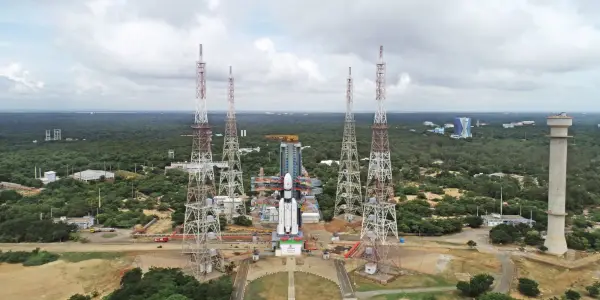
India Successfully Launches CMS-03 Military...

New Simulations Shed Light on the Enigmatic...

Lenovo's Legion Tab Gen 3 Sees Significant Black...

MIT Researchers Uncover Ancient Traces of...

Astronomers Capture Evidence of Dark Matter's...

James Webb Telescope Identifies Rapidly Growing...
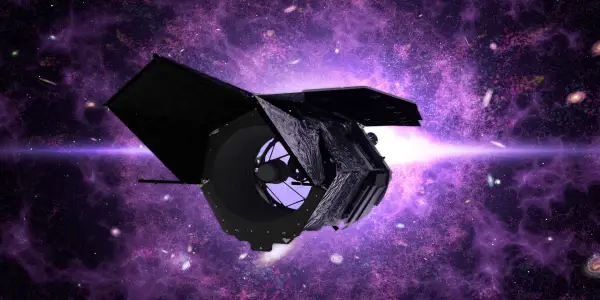
NASA's Upcoming Roman Space Telescope Set to...

Affordable Fitness Tracking: The Amazfit Active 2...

Exploring the Best Online Resources for Stunning...

Senegal Joins Artemis Accords, Expanding...
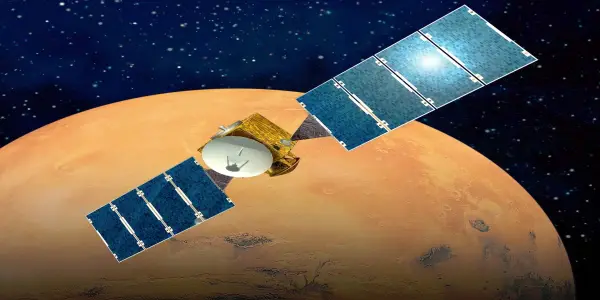
Research Reveals Mars' Windy Conditions Could...

First Direct Imaging of a Protoplanet in a Star's...
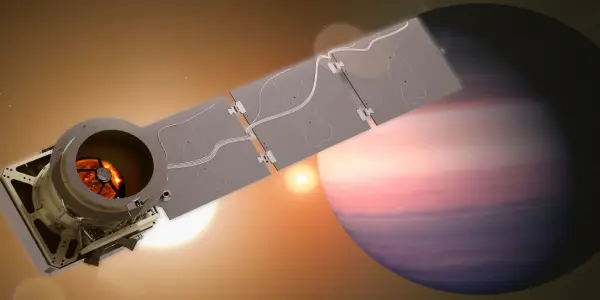
SpaceX Set to Launch NASA's Pandora Exoplanet...

FULU Foundation Introduces Repair Bounty System...

Portal Systems Aims to Revolutionize Spacecraft...

China's Mars Orbiter Captures Image of...
Blue Origin Advances New Glenn Rocket Testing...