DHS Clarifies FEMA Disaster Relief Policy Amid Controversy Over Israel Boycotts

The Department of Homeland Security has revised its stance on disaster relief funding, affirming that no conditions related to Israel boycotts will impact federal assistance.
In-depth analysis
Background context
The Department of Homeland Security has clarified its disaster relief funding policy, removing previous conditions that linked federal support to a city's stance on Israel. This change contrasts with former Trump administration policies, which had sparked controversy and debate, particularly among advocates of the Boycott, Divestment, Sanctions movement.
Key political implications
This policy shift signals a move towards depoliticizing federal disaster relief, potentially reducing the influence of political advocacy on funding decisions. It may also ease tensions between local governments and federal authorities.
Who gains / who loses
Cities that previously faced funding threats due to their positions on Israel stand to gain greater autonomy in expressing political beliefs without risking federal support. Conversely, the BDS movement may face challenges as its advocacy remains scrutinized under anti-discrimination laws.
Possible future scenarios
Future developments may see local governments increasingly emboldened in their political expressions, while federal agencies might face pressure to maintain neutrality in funding decisions. Ongoing debates surrounding these issues are likely to continue.
Did you know?
Why you should know this
Understanding the DHS's recent clarification on disaster relief funding is crucial for local governments and communities. It signals a shift towards protecting local political expression, particularly for cities advocating for Palestinian rights. This change may empower local leaders to prioritize their constituents' needs without fear of losing critical federal support tied to political positions on Israel.
Behind the political curtain
During the Trump administration, a significant number of states passed laws aimed at penalizing BDS supporters, reflecting a broader political strategy. Surprisingly, no states have lost FEMA funding as a result of these policies, indicating that the funding landscape may be less influenced by political affiliations than previously believed.
Ordinary person in an extraordinary situation
Maya Al-Hassan, a city council member in a community that has openly supported the BDS movement, recently faced intense scrutiny from state lawmakers. Despite the pressure, she has focused on addressing local issues, such as housing and education. With the DHS's new policy, Maya feels a renewed sense of empowerment; it may allow her to advocate for her community's values without jeopardizing essential disaster relief funds. This shift not only impacts her role but also symbolizes a broader fight for political expression in local governance. Maya’s story underscores the importance of balancing advocacy with practical needs, reflecting the intricate relationship between local politics and federal support.
Expert Commentary

Exploring Intimacy and Isolation in Claire-Louise...

US Passport Ranking Dips to Lowest Level in...
Israel Seeks Diplomatic Renewal with Bolivia...
Cuba Rejects U.S. Security Threat Claims Amid...

Comet 3I/ATLAS Continues to Mystify Scientists...

The Rise of Technocracy in Modern Governance
Iraq's Parliamentary Elections: Key Insights...

Durian Diplomacy: A Spiky Symbol of Soft Power in...
Assessing Trump's Nobel Peace Prize Worthiness...

NFL Players Union Faces Grievance Over Annual...

Bhutan's Complex Relationship with India: A...
The Role of Palestinian Statehood in Advancing...
Texas Governor Abbott Designates CAIR as a...

AfD Leader Raises Concerns Over Potential Threats...

Baden Bower Reduces Pitch-to-Publish Timeline by...

Geopolitical Tensions Surround Palau Amid...

Ireland Moves Forward with Bill Targeting Israeli...

Colombia's ELN Rebels Intensify Military Drills...

Trump Appoints Special Envoy to Greenland,...

Challenges Faced by Costumes in 'Mighty Morphin...

Cuban Authorities Engage in Deadly Clash with...
Nydia Velázquez Steps Down, Sparking Calls for...

European Automakers Face New Chip Shortage as...

Political Reactions to BBC Leadership Changes...

Spain's Attorney General Convicted in...

Reddit Enhances App Performance with R8...

Denmark's Prime Minister Advocates for Stricter...

Australia Seizes Opportunity in U.S.-China Rare...
Canada and China Take Steps Toward Repairing...

Jetpack Navigation 3 Achieves Stability for...
Jim Avila, Esteemed ABC News Correspondent, Dies...
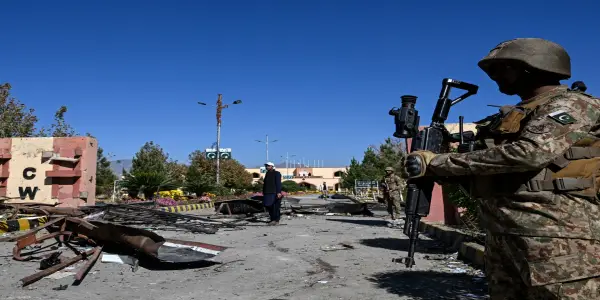
Intensified Clashes Erupt Between Afghan and...
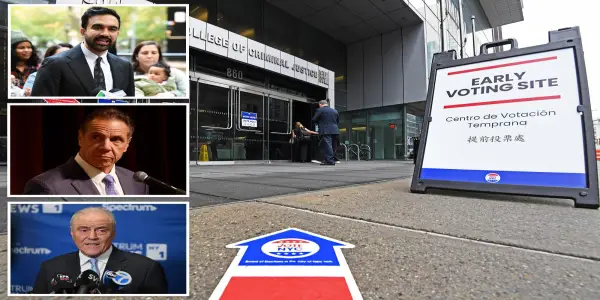
New Yorkers Kick Off Early Voting for Mayoral...

Pope Leo Embarks on First International Trip to...

UK Officials Under Scrutiny Following Collapse of...
The 1969 Sino-Soviet Border Conflict: A Near Miss...
Trump Addresses Nuclear Testing, Government...

Japan Protests China's Travel Advisory Amid...
Zohran Mamdani Secures Victory in New York City...

Nevada's Governor's Office Allegedly Intervened...