Saudi Arabia's Role in Advancing Palestinian Statehood: A Strategic Shift
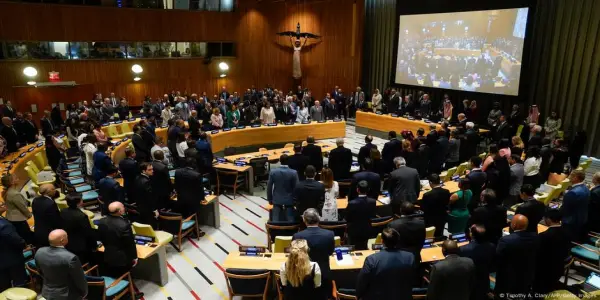
Saudi Arabia is spearheading an international initiative aimed at recognizing Palestinian statehood, raising questions about the motivations behind its diplomatic efforts.
In-depth analysis
Background context
Saudi Arabia's renewed focus on advocating for Palestinian statehood is rooted in its historical commitment to the cause, exemplified by the Arab Peace Initiative of 2002. Recent geopolitical changes, including the normalization of relations between Israel and various Arab nations, have complicated this landscape, prompting Saudi Arabia to reassess its role amid escalating violence and humanitarian crises.
Key political implications
Saudi Arabia's push for Palestinian recognition could redefine its regional influence, positioning the kingdom as a leader in Middle Eastern diplomacy while potentially straining relations with Israel and its allies.
Who gains / who loses
If successful, Saudi Arabia stands to gain significant international prestige and influence, while Palestinians may benefit from increased recognition. Conversely, Israel could face diplomatic isolation, and regional rivals might exploit any perceived Saudi overreach to undermine its efforts.
Possible future scenarios
The initiative could lead to a strengthened Arab coalition advocating for Palestinian rights, or it might falter without U.S. and Israeli support, leaving Saudi Arabia navigating complex diplomatic waters amid ongoing regional tensions.
Did you know?
Why you should know this
Saudi Arabia's push for Palestinian statehood could reshape Middle Eastern geopolitics and directly affect global oil markets, international relations, and humanitarian efforts. As the kingdom seeks to enhance its global standing, the outcomes of this initiative may influence everyday consumers by affecting oil prices and the stability of a region critical to global energy supplies. The implications for peace and security extend far beyond the region.
Behind the political curtain
Surprisingly, Saudi Arabia's previous attempts to mediate peace included the 2002 Arab Peace Initiative, which proposed a comprehensive framework for resolving the Israeli-Palestinian conflict. This initiative was supported by all Arab League members and sought to establish a Palestinian state in exchange for normalized relations with Israel, highlighting a long-standing commitment to the issue.
Ordinary person in an extraordinary situation
Consider Fatima, a 34-year-old teacher in Gaza, who has witnessed the struggles of her community firsthand. Her students often arrive at school traumatized by violence, yet she remains dedicated to providing them a sense of normalcy through education. As Saudi Arabia pushes for international recognition of Palestinian statehood, Fatima hopes this newfound attention will transform her students’ futures. She believes that global acknowledgment could lead to tangible changes, such as increased humanitarian aid and a safer environment for her children. For Fatima, the stakes are personal; her dreams for her students' lives depend on the outcomes of these diplomatic efforts. In a region marked by despair, her resilience symbolizes the hope for a peaceful resolution that could finally allow her community to thrive.
Expert Commentary

New England Senators Play Crucial Role in...

Geopolitical Tensions Surround Palau Amid...

Israel Seeks Diplomatic Renewal with Bolivia...
Is the U.S. Reassessing Its Stance on Israel...

Japan and Finland in Diplomatic Tension Following...

The 1969 Sino-Soviet Border Conflict: A Near Miss...
Limited Expectations as Trump and Xi Approach...

Ireland Moves Forward with Bill Targeting Israeli...

New Advocacy Report Urges Action Against Child...

Durian Diplomacy: A Spiky Symbol of Soft Power in...

WWE Raw Recap: Titles Change Hands in Thrilling...
Sias University Adapts to Modern Educational...

Misjudgments in Military Strategy: The Lessons...
Saudi Crown Prince Mohammed bin Salman Set for...

Exploring Intimacy and Isolation in Claire-Louise...
Key Insights from Trump's National Security...

Trump Addresses Nuclear Testing, Government...

NFL Players Union Faces Grievance Over Annual...

European Automakers Face New Chip Shortage as...
Saudi Crown Prince's Invitation to the White...
Jim Avila, Esteemed ABC News Correspondent, Dies...

Challenges Faced by Costumes in 'Mighty Morphin...

Zohran Mamdani Secures Victory in New York City...

Jared Isaacman Renominated as NASA Administrator...

The Rise of Technocracy in Modern Governance

Political Reactions to BBC Leadership Changes...
U.S. Extends Sanctions Relief as Syrian Leader...
South Korea Initiates First Military Talks with...

Nevada's Governor's Office Allegedly Intervened...

Bhutan's Complex Relationship with India: A...

U.S. Lawmakers Express Concerns Over Trump...

Democrats Celebrate Recent Wins Amidst Internal...
Kenya Urges Protection for Citizens Amid...
The Role of Palestinian Statehood in Advancing...

China's Shift to a Cautious Research Strategy...

Golden Snub-Nosed Monkeys Make European Debut in...

US Tariffs Impact Nuevo Leon's Steel Sector,...

The Impact of Trump's Second Year: A Year of...

Trump Appoints Special Envoy to Greenland,...