Polish and German Bishops Commemorate 60 Years of Reconciliation Efforts
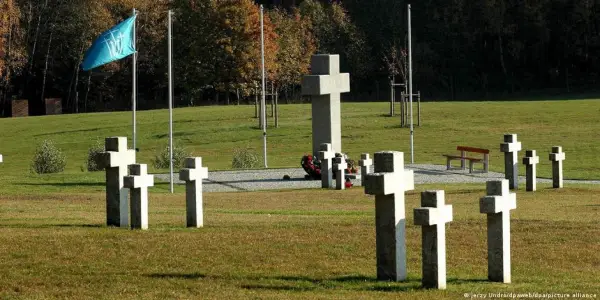
The historic gesture of reconciliation by Polish bishops towards their German counterparts in 1965 remains a pivotal moment in the evolution of German-Polish relations, underscoring the enduring impact of World War II on both nations.
In-depth analysis
Background context
The 1965 letter from Polish bishops to their German counterparts emerged amid post-World War II tensions, with unresolved territorial disputes and a backdrop of Cold War divisions. This overture sought to address historical grievances while acknowledging the trauma experienced by both nations due to the war and its aftermath.
Key political implications
The bishops' reconciliation gesture marked a pivotal shift in German-Polish relations, laying a foundation for future diplomatic engagement and cooperation within the European context, despite lingering nationalist sentiments.
Who gains / who loses
Poland potentially gains a strengthened position in European diplomacy by fostering reconciliation, while the Catholic Church enhances its influence as a mediator. Conversely, the Polish Communist Party risks losing authority by undermining national unity through its opposition to the bishops' message.
Possible future scenarios
Future relations may see continued collaboration between Poland and Germany, yet rising nationalism could challenge this progress, potentially leading to renewed tensions or a reevaluation of historical narratives.
Did you know?
Why you should know this
This gesture of reconciliation between Polish and German bishops in 1965 is more than a historical footnote; it illustrates the power of forgiveness in transforming relationships. In our increasingly polarized world, understanding how dialogues can mend deep-rooted grievances reminds us that healing is possible, even in the most challenging circumstances. This lesson in reconciliation is essential for communities navigating conflict today.
Behind the political curtain
In 1965, while the Polish bishops reached out for reconciliation, the Polish Communist Party launched a campaign against them, portraying the bishops as traitors. This move was an attempt to weaken the Catholic Church’s influence, highlighting the deep political stakes involved in religious dialogues during the Cold War.
Ordinary person in an extraordinary situation
Imagine Maria Kowalska, a Polish grandmother who lived through the war. As a child, she witnessed the devastation wrought by the German occupation. Decades later, she read the bishops' message of forgiveness and felt a mix of emotions—relief, hope, and skepticism. For her, the bishops' outreach wasn't just a historical event; it was a potential bridge for her grandchildren who still carry the weight of that past. Maria often shares stories of resilience and the importance of understanding history. The bishops' letter resonated with her deeply, symbolizing a shift she never thought possible. It sparked conversations in her family about forgiveness, healing, and the possibility of a future devoid of the shadows of history.

Challenges Faced by Costumes in 'Mighty Morphin...

Exploring Intimacy and Isolation in Claire-Louise...

European Automakers Face New Chip Shortage as...
Ireland Moves Forward with Bill Targeting Israeli...

Mamdani Emerges Victorious in NYC Mayoral Race...

New Yorkers Kick Off Early Voting for Mayoral...
Trump Considers Tomahawk Missile Support for...
U.S. Embassies Redefine Human Rights:...
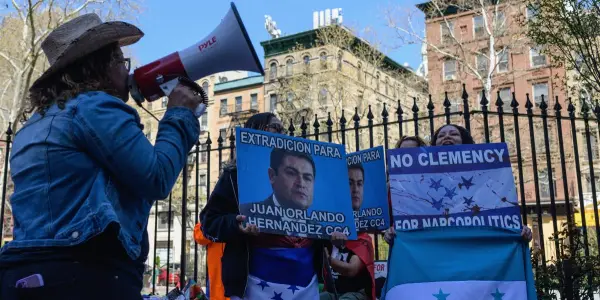
Former Honduran President Hernández Convicted of...

Jetpack Navigation 3 Achieves Stability for...
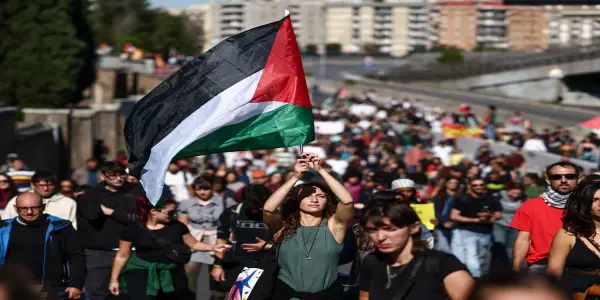
Protests Erupt Across Italy Amid Gaza Conflict,...
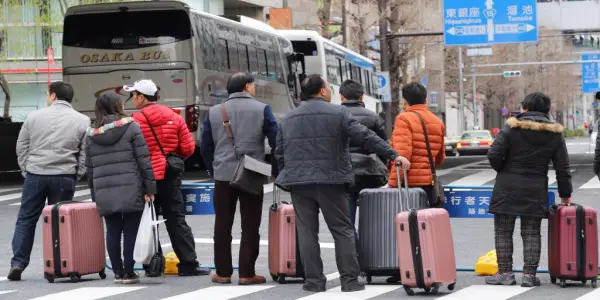
Japan Protests China's Travel Advisory Amid...
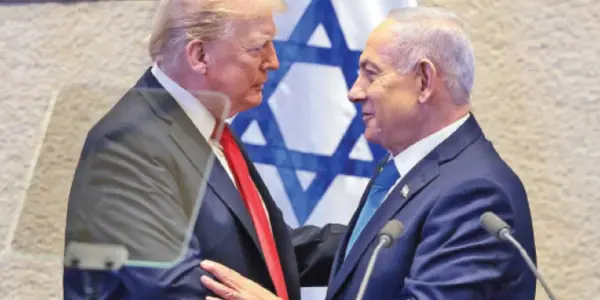
Is the U.S. Reassessing Its Stance on Israel...
The Israel-Hamas Ceasefire: A Critical Moment...
Pope Leo Embarks on First International Trip to...
South Korea Rebuilds Trust and Reassesses Foreign...

Political Reactions to BBC Leadership Changes...
Trump Appoints Special Envoy to Greenland,...

New Advocacy Report Urges Action Against Child...
UK Officials Under Scrutiny Following Collapse of...
Understanding Donald Trump’s Vision of Military...
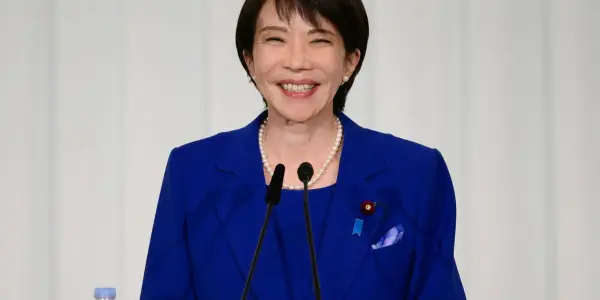
Sanae Takaichi Elected as Leader of Japan's...

NASA Unveils Stunning Images of Interstellar...
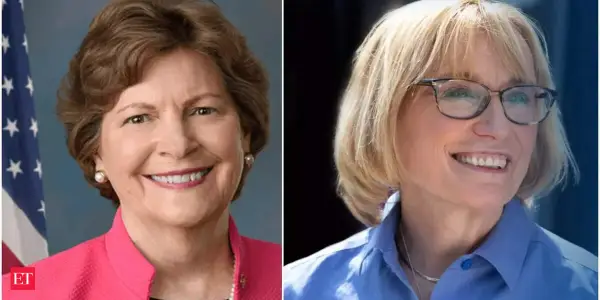
New England Senators Play Crucial Role in...
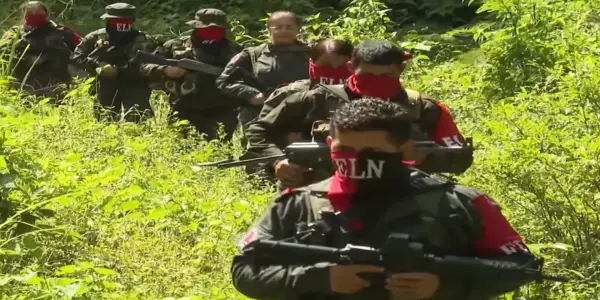
Colombia's ELN Rebels Intensify Military Drills...
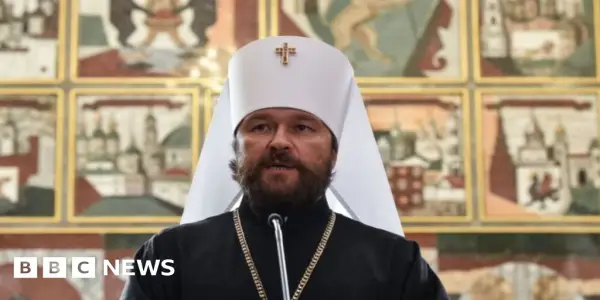
Exiled Russian Orthodox Leader Responds to Spying...
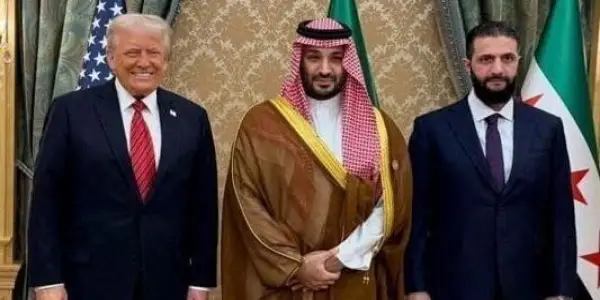
Trump to Engage with Syrian Leader Following...
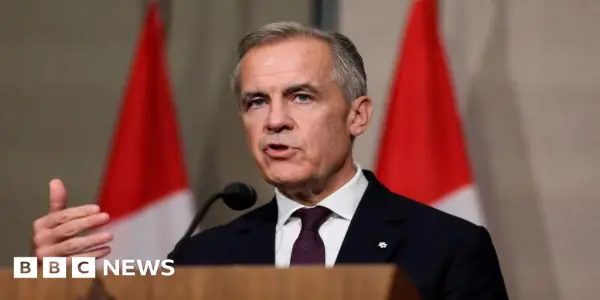
Canada's Carney to Meet Xi in China, Signaling a...
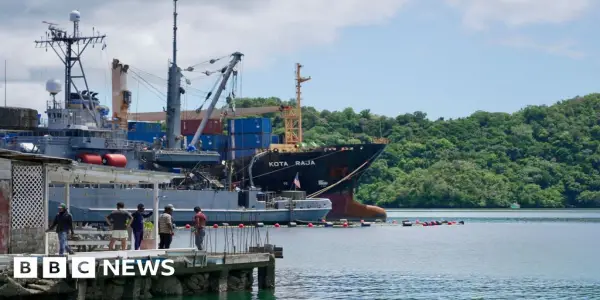
Geopolitical Tensions Surround Palau Amid...

US Passport Ranking Dips to Lowest Level in...
Jim Avila, Esteemed ABC News Correspondent, Dies...
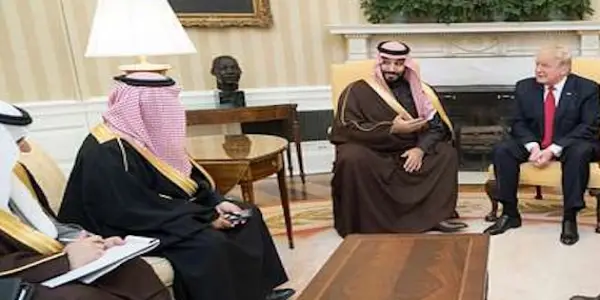
The Role of Palestinian Statehood in Advancing...
The 1969 Sino-Soviet Border Conflict: A Near Miss...
South Africa's G20 Presidency: A Mixed Legacy of...

Reddit Enhances App Performance with R8...
Iraq's Parliamentary Elections: Key Insights...

Indian Trade Unions Rally Against New Labour...
Ghanaian Lawmakers Discover New Opportunities in...
Trump Reverses Stance on Greenland After UK...
Israel Seeks Diplomatic Renewal with Bolivia...