NASA Explores AI-Powered Astronauts for Mars Colonization Efforts
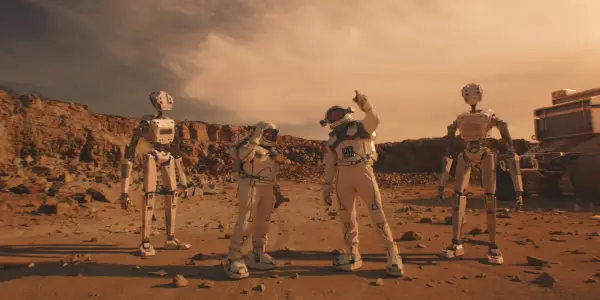
NASA is investigating the use of advanced artificial intelligence to facilitate human missions to Mars, potentially transforming the landscape of space exploration.
In-depth analysis
New discoveries
NASA's exploration into AI-driven robots for Mars colonization reveals groundbreaking potential. These autonomous systems could perform tasks like habitat construction and resource mining, operating independently in harsh environments. This advancement not only enhances mission efficiency but also signifies a transformative approach to human exploration, reshaping our understanding of robotic capabilities in space.
Mission updates
NASA's Autonomous Systems and Operations program is advancing the development of AI tools designed for future Mars missions, aiming to enhance both robotic and human collaboration in space exploration.
Who is affected
The push for AI astronauts impacts a wide range of stakeholders, including astronauts who may experience reduced physical and psychological burdens, scientists exploring ethical implications, and private space companies competing in the Mars colonization race, all of whom must adapt to this evolving landscape.
Next steps
Moving forward, NASA will focus on refining AI technologies and addressing ethical concerns related to their use in space missions, while also monitoring developments from other agencies and private entities involved in Mars exploration.
Did you know?
Why we should care
The push for AI-driven robots on Mars isn't just about exploration; it has tangible implications for life on Earth. These technologies could lead to advancements in robotics, impacting sectors like healthcare and manufacturing. Imagine robots aiding in disaster response or performing complex surgeries. As NASA pioneers this frontier, the ripple effects could enhance everyday technologies that improve our quality of life.
The universe's unsolved mystery
As NASA explores the potential of AI astronauts, it raises profound questions about consciousness and autonomy. If a robot explores Mars, what does it mean for our understanding of intelligence? This challenge extends beyond space; it forces a reevaluation of what it means to be human in an age where machines can perform tasks once thought exclusive to us.
The person who looks at the stars
Meet Sarah, a high school science teacher in a small town, whose passion for astronomy ignited during a childhood camping trip. Every night, she stargazes, dreaming of what lies beyond Earth. The idea of AI astronauts exploring Mars excites her; it represents hope for her students' futures. Sarah believes that as technology advances, it will inspire young minds to pursue careers in science and engineering, bridging the gap between generations. For her, the stars are not just distant lights but gateways to new possibilities, fueling her mission to cultivate curiosity and ambition in her classroom.
Expert Commentary
NASA's Upcoming Roman Space Telescope Set to...
Exploring the 'Ultraview Effect': Human...
Astrophysicists Unveil Dark Universe Through...
Assessing the Financial Impact of NASA's Apollo...
Astronomers Discover Eerie 'Cosmic Bat' Nebula in...

Celestial Wonders of Autumn 2025: Eight Key Night...

Top Black Friday Smartwatch Deals Worth...
Potential Alien Disclosure May Trigger Bitcoin...
AI Reveals Over 800 New Cosmic Anomalies from...

OnePlus 15 vs. Samsung Galaxy S25 Plus: A Clash...
Research Reveals Mars' Windy Conditions Could...
NASA and Blue Origin Successfully Launch Dual...
Astronomers Discover Ancient White Dwarf Actively...
European Space Agency Enhances Collaboration with...
European Space Agency Unveils Stunning Radar...
Unusual Wind from Neutron Star Challenges Space...
Portal Systems Aims to Revolutionize Spacecraft...

FULU Foundation Introduces Repair Bounty System...

Samsung Unintentionally Reveals Galaxy S26 Series...
Interstellar Comet 3I/ATLAS Reveals Water...
James Webb Telescope Reveals Potential Atmosphere...
SabreSat: An Innovative Air-Breathing Satellite...
Exploring the Best Online Resources for Stunning...
Astrophotographer Captures Stunning Image of...
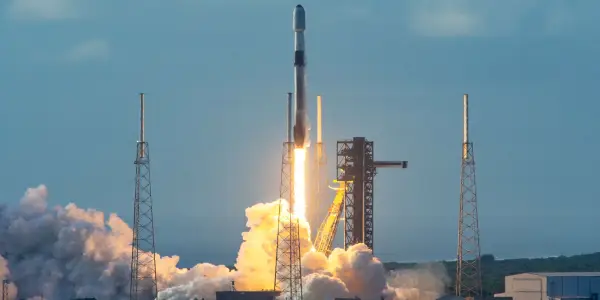
SpaceX Achieves Major Milestone with Launch of...
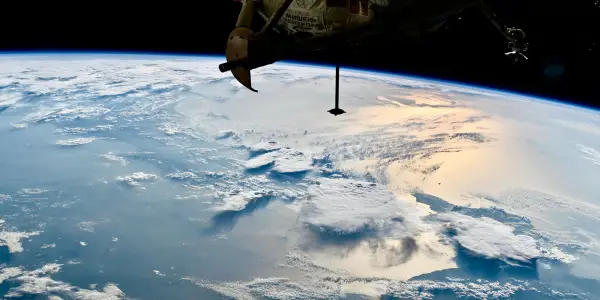
International Space Station Crew Continues...
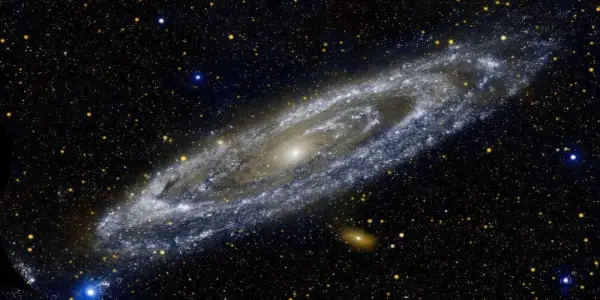
Andromeda Galaxy's Impact on Its Satellite...

Exploring Alternatives to the Meta Quest 3 Elite...
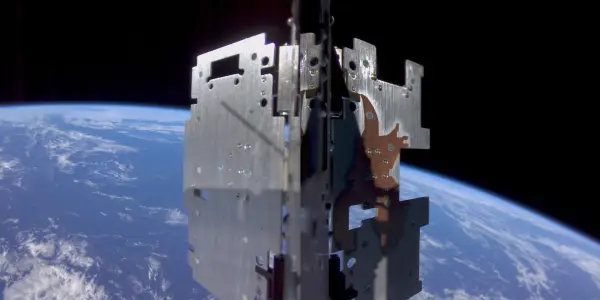
Australia's SpIRIT Nanosatellite Captures First...
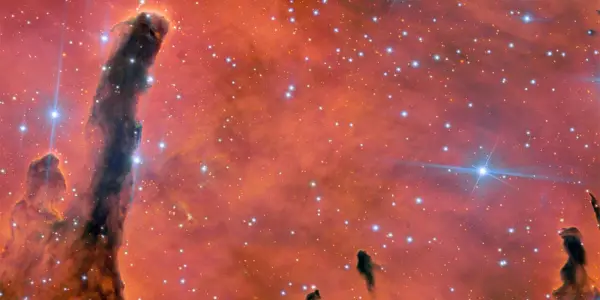
Hawaiian Students Honor Gemini North Telescope's...
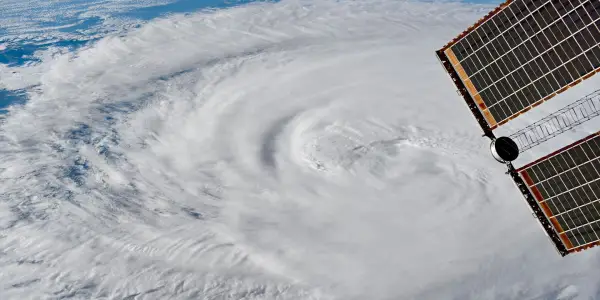
Japanese Astronaut Observes Typhoon Activity from...
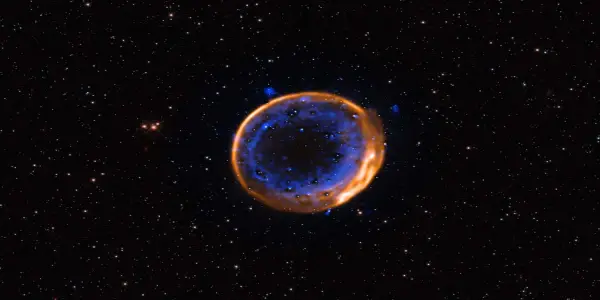
Highlights of 2025 in Space Exploration: From...
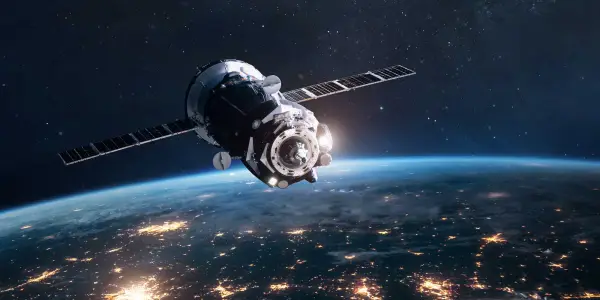
UK Advances in Space Defense and Naval Drone...

Astronomers Capture First Image of Two Orbiting...
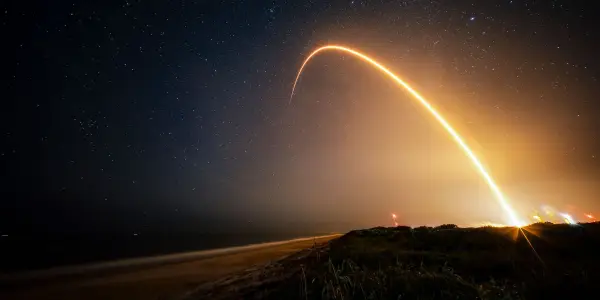
SpaceX Achieves 150th Falcon 9 Launch with...
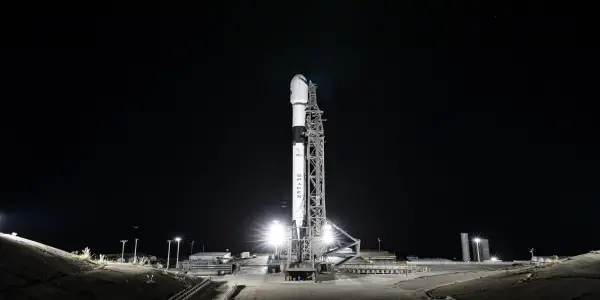
NASA and European Partners Prepare for...

MiHoYo Expands Ambitions with New MMO Project...

Discovery of Betelgeuse's Companion Star Unveiled
NASA Research Uncovers Climate's Impact on...

China's Mars Orbiter Captures Image of...