Navigating the U.S.-China Relationship: A Balancing Act of Trade and Security
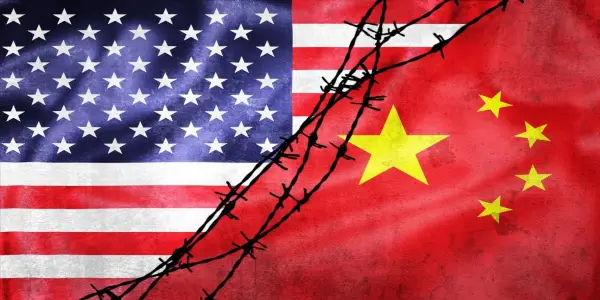
The U.S. navigates its complex relationship with China, balancing trade interests and military tensions as lawmakers seek to enhance strategic security dialo...
In-depth analysis
Background context
The U.S.-China relationship is increasingly complex, characterized by economic interdependence and escalating military tensions. As China continues to expand its global influence, the U.S. seeks to establish a cooperative framework while addressing security concerns. This dynamic has become a focal point of U.S. foreign policy in recent years.
Key political implications
The ongoing discussions between U.S. lawmakers and Chinese officials highlight the necessity of strategic dialogue, which could reshape bilateral relations and influence global power dynamics.
Who gains / who loses
While the U.S. may strengthen its military alliances and enhance regional security through joint exercises, China could leverage its military advancements to gain negotiating power in economic discussions, potentially benefiting its domestic stability despite facing economic challenges.
Possible future scenarios
Future interactions may lead to either a more cooperative U.S.-China relationship, with improved communication and trade stability, or heightened tensions if military posturing continues to escalate, impacting global markets and geopolitical stability.
Did you know?
Why you should know this
Understanding the U.S.-China relationship is crucial as it affects global markets, trade prices, and even national security. For everyday consumers, shifts in this dynamic can influence everything from the cost of imported goods to tech advancements. As both nations navigate these complexities, the outcomes will significantly impact job markets and economic stability in the U.S. and beyond.
Behind the political curtain
In a surprising move, the bipartisan delegation's visit included meetings with Chinese military leaders, which is rare for U.S. lawmakers. This highlights a shift in strategy, prioritizing military dialogue alongside economic discussions, reflecting the increasing urgency of security issues in U.S.-China relations.
Ordinary person in an extraordinary situation
Consider Emily Chen, a small business owner in San Francisco who imports textiles from China. With the ongoing tensions, Emily faces uncertainty about her supply chain and rising costs. She grapples with how tariffs and military posturing could affect her business's viability. Each day, she weighs her options: adapt her sourcing strategy or risk losing a competitive edge. For Emily, the political landscape isn't just abstract; it's a daily challenge that could determine her family's financial future and the livelihoods of her employees.
Expert Commentary

Baden Bower Reduces Pitch-to-Publish Timeline by...

Exploring Intimacy and Isolation in Claire-Louise...
Key Insights from Trump's National Security...

UK Officials Under Scrutiny Following Collapse of...

NASA Unveils Stunning Images of Interstellar...
The Role of Palestinian Statehood in Advancing...
Javier Milei's Victory Signals a Shift in...

Explosion at Tennessee Munitions Facility Leaves...
Togo Navigates Diplomatic Balancing Act Amid...

Ireland Moves Forward with Bill Targeting Israeli...

Nevada's Governor's Office Allegedly Intervened...

European Automakers Face New Chip Shortage as...

Pope Leo Embarks on First International Trip to...
Trump's Influence Crucial for Sustaining Gaza...
Bangladesh Seeks India's Assistance in...
Denmark's Prime Minister Advocates for Stricter...

Durian Diplomacy: A Spiky Symbol of Soft Power in...
Japan Reacts Strongly to China's Travel Advisory...

The Foundation of Friendship: Understanding...
New Yorkers Kick Off Early Voting for Mayoral...

Exiled Russian Orthodox Leader Responds to Spying...
Texas Governor Abbott Designates CAIR as a...
Trump to Engage with Syrian Leader Following...
Trump Reverses Stance on Greenland After UK...
Global Community's Stance on Israel: A Complex...

Former Honduran President Hernández Convicted of...
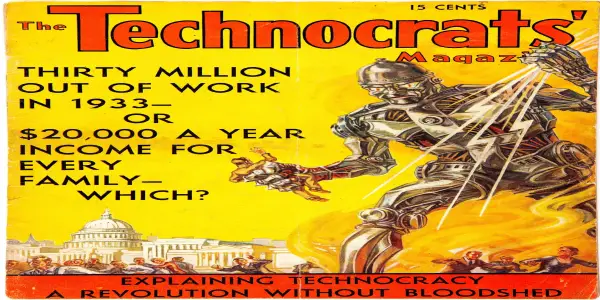
The Rise of Technocracy in Modern Governance
Australia Seizes Opportunity in U.S.-China Rare...
Is the U.S. Reassessing Its Stance on Israel...
Saudi Crown Prince's Invitation to the White...

Germany Resumes Arms Exports to Israel Amid...
South Africa's G20 Presidency: A Mixed Legacy of...
Zohran Mamdani Secures Victory in New York City...

Reddit Enhances App Performance with R8...

Former Preschool Cook Sentenced for Molesting...
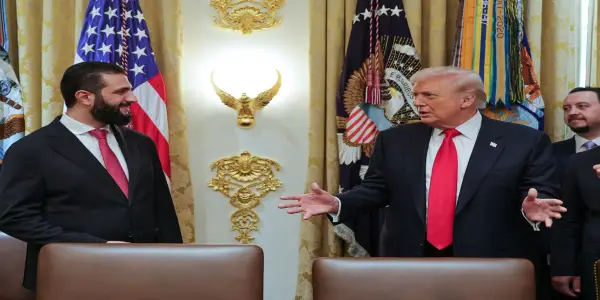
U.S. Extends Sanctions Relief as Syrian Leader...

E.U. Ambassador to the U.S. Affirms Positive...

Boeing 777X: The Long Wait for Innovation and...
Understanding Donald Trump’s Vision of Military...
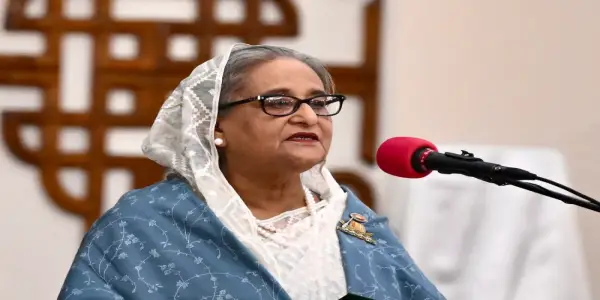
Bangladesh's International Crimes Tribunal...