Significant Challenges Faced by the International Space Station Over Two Decades
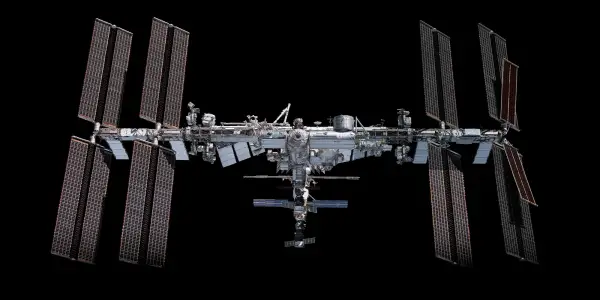
The International Space Station has played a pivotal role in advancing space exploration for over 20 years, but it has encountered serious challenges. Here are some of the most critical incidents.
In-depth analysis
New discoveries
Recent research aboard the International Space Station has yielded groundbreaking insights into the effects of microgravity on human health and material science. Experiments have unveiled new information about muscle atrophy, fluid dynamics, and the behavior of materials, pushing the boundaries of what is known and paving the way for advancements in various fields, including medicine and engineering.
Mission updates
The ISS continues to operate smoothly, with ongoing missions focused on scientific research and international collaboration. Recent evaluations confirm that safety protocols remain effective, ensuring crew members can conduct experiments with minimal risk.
Who is affected
Astronauts aboard the ISS, as well as the scientific community, are directly influenced by the station's operational challenges. Additionally, the ongoing research impacts various sectors, including healthcare, environmental science, and advanced manufacturing, benefiting society at large.
Next steps
Future initiatives will focus on enhancing safety measures and improving the station's resilience against technical failures and space debris. Continued collaboration among international partners is essential to address these challenges and ensure the ISS remains a valuable resource for scientific exploration.
Did you know?
Why we should care
The International Space Station (ISS) is more than a scientific marvel; it represents a collaborative effort that impacts daily life on Earth. Research conducted in its unique microgravity environment has led to advancements in medicine, technology, and environmental science, influencing everything from cancer treatment to water purification. As the ISS continues to push boundaries, its findings can directly enhance our quality of life and inspire future generations to explore new frontiers.
The universe's unsolved mystery
Despite its successes, the ISS is a reminder of the vast unknowns that remain in space exploration. The potential for undiscovered phenomena—such as the effects of long-term microgravity on human physiology or the mysteries of dark matter—challenges scientists and astronauts alike. Each incident aboard the ISS signals not just risks, but also the profound questions about humanity's place in the universe and the limits of our understanding.
The person who looks at the stars
Meet Sarah Mitchell, a 12-year-old aspiring astronaut from a small town in Ohio. Every night, she gazes up at the stars, dreaming of one day joining the crew aboard the ISS. Sarah's fascination with space began when she watched a documentary about the station's groundbreaking research. The thought of contributing to discoveries that could change lives fills her with hope. Each time she hears about an incident on the ISS, her heart races, not just from fear for the astronauts' safety, but also from admiration for their bravery. Sarah collects data on space missions and sketches designs for her future spacecraft. She embodies the spirit of curiosity and resilience, reminding us that the challenges faced by astronauts are not just technical hurdles, but also sources of inspiration for young dreamers like her, who see the stars as a gateway to endless possibilities.
Expert Commentary
Andromeda Galaxy's Impact on Its Satellite...
Astronomers Discover Ancient White Dwarf Actively...
Senegal Joins Artemis Accords, Expanding...
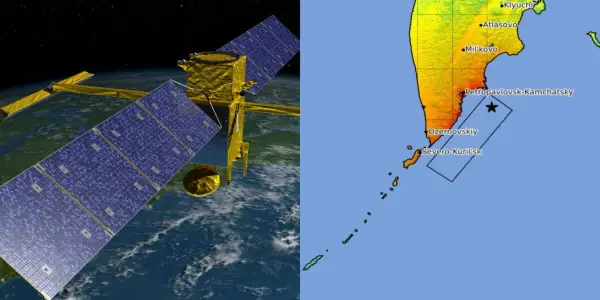
Satellite Observations Reveal Unconventional...
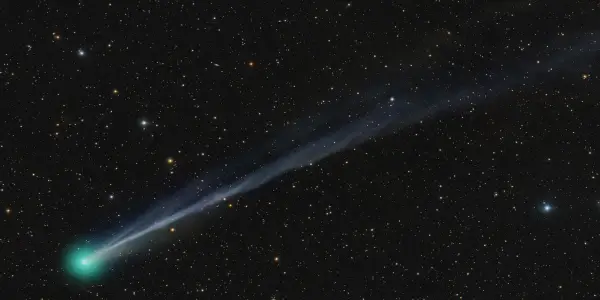
Astrophotographers Showcase Stunning New Images...
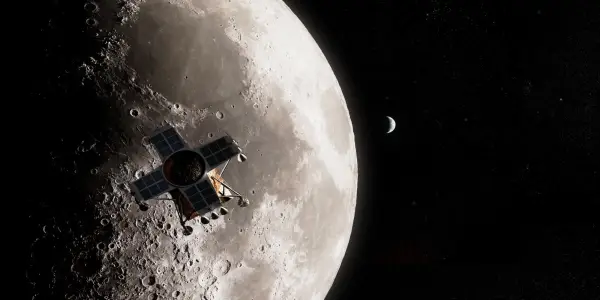
Impulse Space Enters Lunar Exploration: New...

Jeff Bezos's AI Hardware Venture Takes Aim at...
Unistellar eQuinox 2 Smart Telescope Sees...
Nearby Super-Earth Identified as Key Target in...
New Simulations Shed Light on the Enigmatic...

Urwerk Unveils Limited-Edition 100V 'LightSpeed'...
The Pleiades Star Cluster Reveals Its Extensive...
Juno's Mission Status in Question Amid Government...

Childcare Crisis: Families Struggle as...
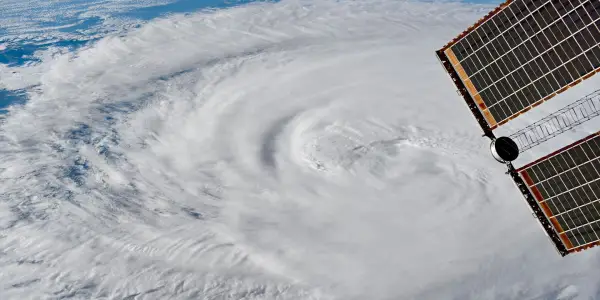
Japanese Astronaut Observes Typhoon Activity from...

Czech Startup Zaitra Pioneers AI-Driven Satellite...
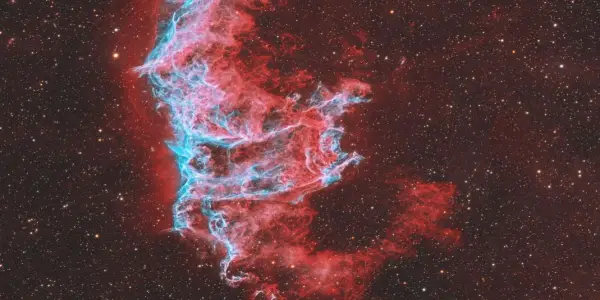
Astrophotographer Captures Stunning Image of...
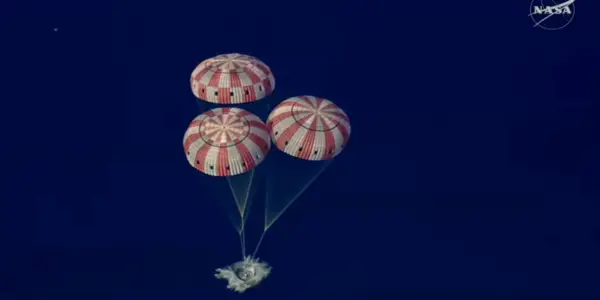
Artemis 2 Astronauts Safely Return After Historic...
Discovery of Betelgeuse's Companion Star Unveiled
NASA Research Uncovers Climate's Impact on...
New Study Reveals Theia and Earth May Have Shared...
China's Tianwen-3 Mission: A Potential Rival in...
SpaceX Achieves Major Milestone with Launch of...
NASA and European Partners Prepare for...

Hackaday Podcast Episode 340: Exploring Top...
James Webb Telescope Reveals Potential Atmosphere...
Exploring the James Webb Space Telescope: A $13...
General Relativity May Extend Habitability of...
Astronomers Discover Eerie 'Cosmic Bat' Nebula in...

Samsung Galaxy S26 Expected to Feature Enhanced...
Potential Alien Disclosure May Trigger Bitcoin...
Astronauts aboard the ISS Capture Stunning Images...
Proposed Fleet of Sun-Gazing Spacecraft Aims to...

Samsung Unintentionally Reveals Galaxy S26 Series...
Portal Systems Aims to Revolutionize Spacecraft...
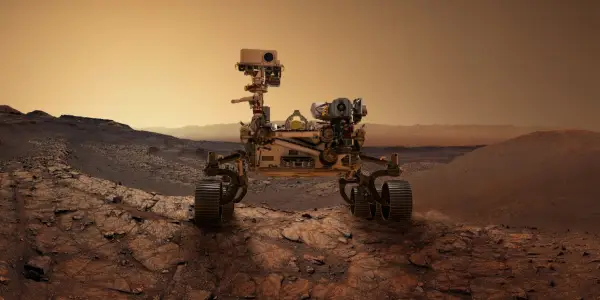
Unraveling the Mysteries of Mars: Recent...
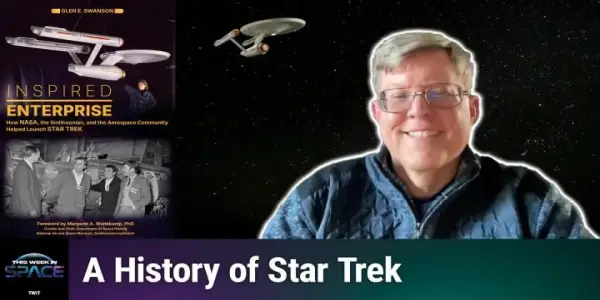
This Week In Space Podcast: Episode 187 Explores...
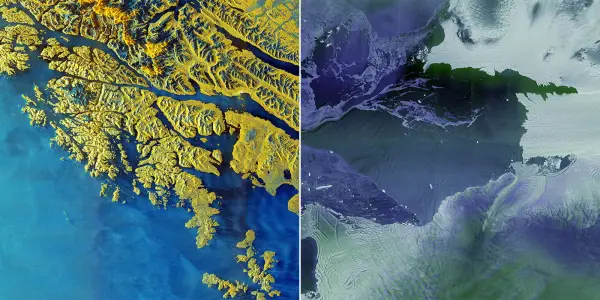
European Space Agency Unveils Stunning Radar...
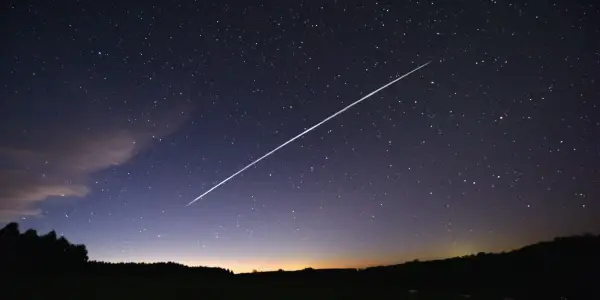
Starlink Satellites Make Headlines as They Fall...
Meteorite Fragment May Have Impacted Houston Home